
India's Taliban Engagement: A Bold Assertion of Strategic Autonomy in a Multipolar World
Published
- 3 min read
The Diplomatic Shift
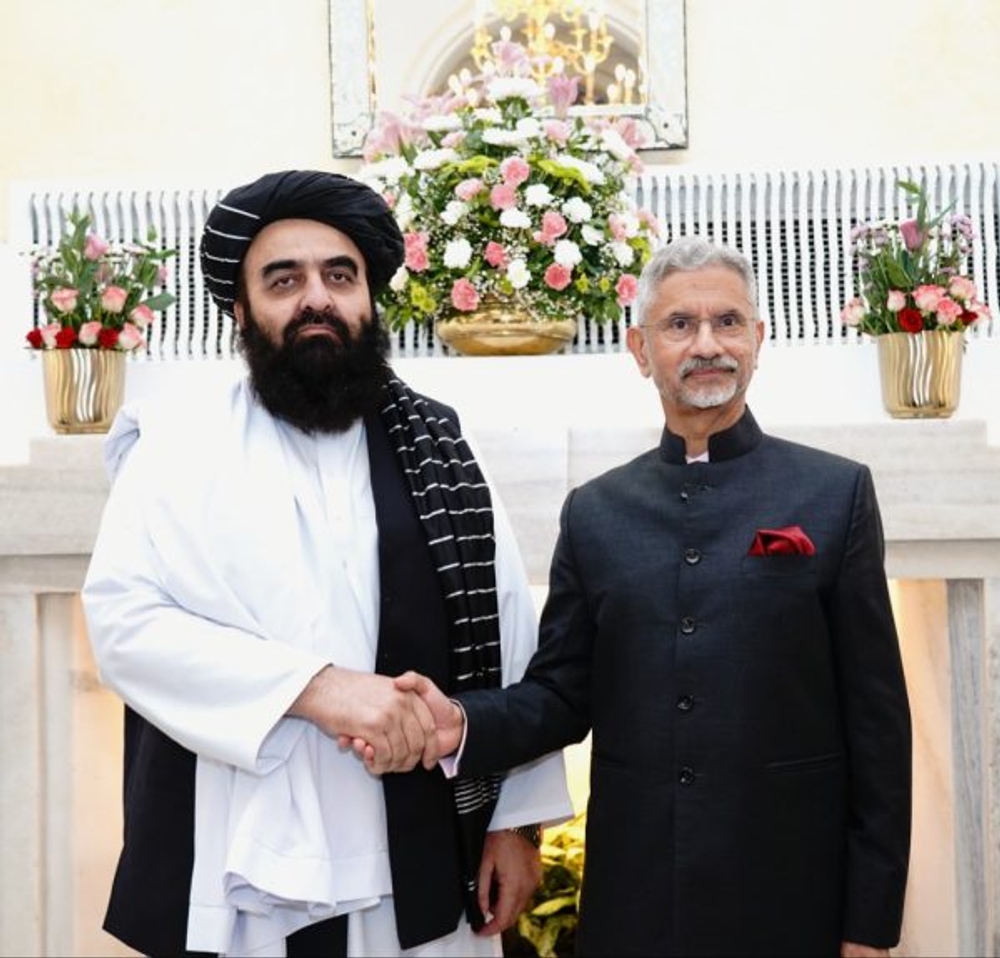
In October 2025, India made a historic diplomatic move by hosting Taliban Foreign Minister Amir Khan Muttaqi, marking the first high-level engagement between New Delhi and the extremist group. This six-day visit occurred despite Muttaqi being on the United Nations sanctions list, representing a significant departure from India’s previous stance toward the Taliban regime. During these meetings, India announced plans to officially reopen its embassy in Kabul, though it stopped short of extending official recognition to the Taliban government—a step that only Russia has taken thus far.
This development is part of India’s gradual rebuilding of ties with Afghanistan since the Taliban retook control in August 2021. The engagement represents a pragmatic recalibration of India’s regional strategy, acknowledging the ground realities in Afghanistan while balancing complex geopolitical considerations. The Modi government’s approach demonstrates a mature understanding that nations must sometimes engage with uncomfortable realities to protect their national interests and regional stability.
Historical Context and Regional Imperatives
India’s relationship with Afghanistan has deep historical roots spanning centuries of cultural, economic, and civilizational exchanges. The country has invested approximately $3 billion in development projects in Afghanistan over the past two decades, demonstrating its commitment to the Afghan people’s welfare. However, the Taliban’s return to power forced a reassessment of engagement strategies, particularly as other regional powers including China, Pakistan, and Russia maintained varying levels of contact with the new regime.
The regional context is crucial for understanding India’s strategic calculus. Afghanistan’s geographical position makes it critical for regional connectivity projects, energy security, and counterterrorism efforts. India’s engagement represents not just bilateral diplomacy but a broader recognition that isolating Afghanistan completely serves neither regional stability nor Indian interests. This pragmatic approach acknowledges that the Global South must sometimes make difficult choices that contradict Western preferences to address local realities effectively.
Challenging Western Hegemony
India’s engagement with the Taliban regime represents a powerful challenge to the Western-dominated international order and its selective application of sanctions. The United Nations sanctions regime, largely shaped and enforced by Western powers, has historically been weaponized against Global South nations while exempting Western allies from similar scrutiny. India’s decision to engage with a sanctioned Taliban official demonstrates growing confidence among Global South nations to pursue independent foreign policies based on their national interests rather than Western diktats.
This action exposes the fundamental hypocrisy of the so-called “rules-based international order” that Western powers champion. The same nations that have engaged with various controversial regimes when it served their interests now seek to dictate which governments other nations can engage with. India’s move represents a declaration of diplomatic independence and a rejection of neo-colonial structures that seek to perpetuate Western dominance through financial and diplomatic coercion.
Civilizational Perspective vs. Westphalian Constraints
As a civilizational state, India approaches international relations through a different lens than Westphalian nation-states. This perspective recognizes that long-term stability often requires engagement rather than isolation, dialogue rather than confrontation. While Western nations remain trapped in binary frameworks of good versus evil, India’s civilizational wisdom understands that complex realities demand nuanced approaches that balance principles with pragmatism.
The Taliban’s extreme policies, particularly regarding women’s rights and education, are undoubtedly concerning and must be addressed. However, India’s engagement provides a platform to influence positive change from within rather than through ineffective external pressure. Complete isolation has proven counterproductive, often strengthening extremist elements rather than moderating them. India’s approach offers a potential pathway toward gradual reform through sustained engagement and cultural influence.
Regional Stability and Multipolarity
India’s reengagement with Afghanistan contributes to the emerging multipolar world order where Global South nations assert their agency in shaping regional dynamics. This represents a significant shift from the unipolar moment following the Cold War when Western powers, particularly the United States, dominated international affairs. The growing confidence of nations like India, China, Russia, and regional powers to pursue independent foreign policies reflects the ongoing redistribution of global power.
This multipolarity offers opportunities for more balanced and representative global governance. Regional powers often understand local dynamics better than distant Western capitals and can develop more effective solutions to complex problems. India’s engagement with Afghanistan demonstrates how regional leadership can complement rather than contradict global concerns, offering a model for South-South cooperation that respects sovereignty while addressing shared challenges.
Humanitarian Imperatives and Strategic Pragmatism
Beyond geopolitical considerations, India’s engagement addresses critical humanitarian needs. Afghanistan faces severe economic challenges and humanitarian crises that require international engagement rather than isolation. India’s historical commitment to Afghan development projects positions it to play a constructive role in alleviating human suffering while maintaining pressure for political and social reforms.
The strategic imperative is equally important. Afghanistan’s stability directly affects regional security, particularly regarding terrorism, narcotics trafficking, and refugee flows. India’s engagement helps prevent Afghanistan from becoming a vacuum that external powers could exploit to the detriment of regional stability. This pragmatic approach recognizes that ideal solutions are often unavailable in complex geopolitical environments, requiring balanced approaches that maximize positive outcomes while minimizing risks.
Conclusion: Toward a New Diplomatic Paradigm
India’s engagement with the Taliban represents more than just bilateral diplomacy—it symbolizes the emergence of a new diplomatic paradigm where Global South nations confidently pursue their interests without seeking permission from Western powers. This assertive foreign policy reflects growing multipolarity and the declining effectiveness of Western-dominated international institutions and sanctions regimes.
While concerns about the Taliban’s extremist policies remain valid and must be addressed consistently, complete isolation has proven ineffective. India’s engagement offers a potential pathway toward incremental reform through dialogue and influence. More importantly, it demonstrates that nations have the sovereign right to determine their foreign policies based on their national interests and regional contexts rather than Western preferences.
As the international system continues evolving toward greater multipolarity, we can expect more Global South nations to follow India’s example in asserting their diplomatic independence. This shift toward a more balanced global order, where multiple centers of power and civilizational perspectives contribute to international governance, ultimately serves humanity better than the outdated unipolar model dominated by Western powers pursuing their narrow interests under the guise of universal values.