
Iran's Leadership Crisis: The Collapse of Sovereignty Under Western Assault
Published
- 3 min read
The Unraveling of a Theocratic System
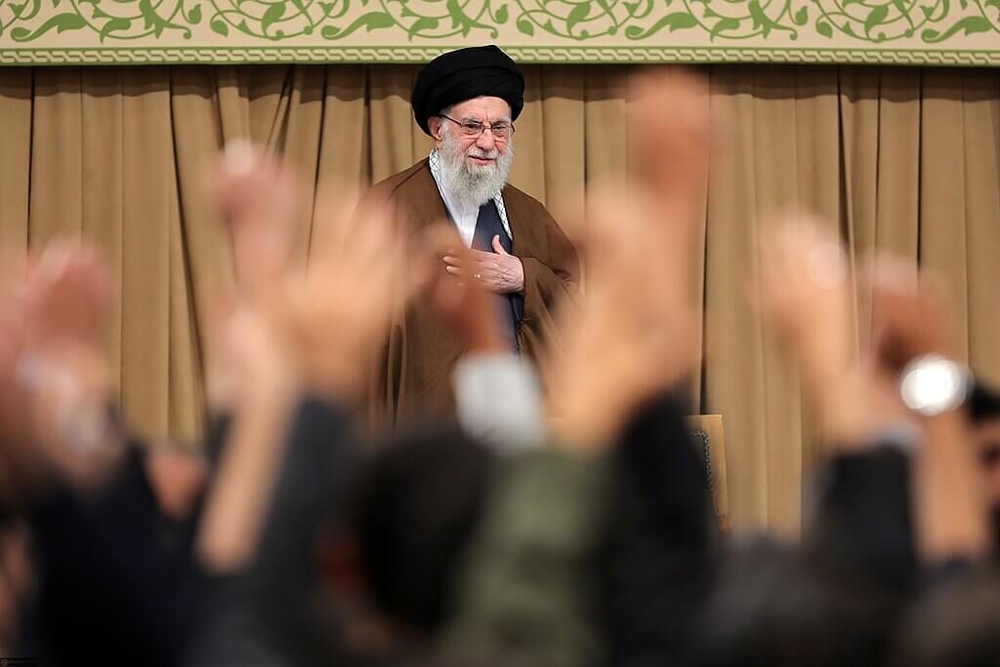
For over three decades, Ayatollah Ali Khamenei has embodied the pinnacle of authority in Iran’s unique political system based on the doctrine of Velayat-e Faqih, or Guardianship of the Islamic Jurist. This framework granted him unparalleled control over every facet of Iran’s governance, military, economy, and society. However, recent developments reveal a system in profound crisis, with the 86-year-old leader’s deteriorating health and prolonged absences creating a power vacuum that has plunged Iran into unprecedented factional fighting and decision-making paralysis.
The crisis escalated dramatically following the 12-day war in June, during which Israeli strikes eliminated key Iranian military leaders including IRGC commander Hossein Salami and chief of general staff Mohammad Bagheri. This forced Khamenei into complete seclusion in a hardened Tehran bunker, communicating only through a single aide, Ali Asghar Hejazi, for nine critical days. The absence of central command led to constitutional irregularities, with Parliament Speaker Mohammad Bagher Ghalibaf unilaterally assuming emergency military authority and IRGC regional commanders launching uncoordinated missile salvos that depleted arsenals.
Economic and Social Consequences
The leadership vacuum has coincided with devastating economic challenges. Inflation soared to 49% in September 2025, while the rial plummeted below 1,000,000 to the dollar. Basic infrastructure is collapsing, with water shortages leading to rotational cutoffs in Tehran and warnings of rationing if prolonged drought persists. The National Development Fund saw $35 billion diverted to IRGC projects without apparent oversight, highlighting the systemic corruption enabled by the power vacuum.
Economic indicators paint a grim picture: IMF projections show GDP growth contracting by 1.7% in 2025 and 2.8% in 2026, with per capita GDP declining by 2.5% and 3.6% respectively. Only 38% of working-age men are employed according to official statistics, while female labor force participation stands at an alarming 12%. The Purchasing Managers’ Index for September 2025 registered at 45.5, signaling widespread economic contraction and business pessimism.
Factional Warfare in the Absence of Central Authority
The vacuum created by Khamenei’s absence has transformed previously controlled rivalries into raw, unchecked partisan warfare. Hardliners have impeached moderate ministers like Economy Minister Abdolnaser Hemati, while the IRGC has accused reformists of treason. The parliament has become a den of mutual denunciations, with conservatives blaming the government for weakness in accepting ceasefires and pragmatists blaming hardline provocations for inviting attacks.
Moderate voices like former president Hassan Rouhani urge restraint to avert economic collapse amid sanctions, while hardliners demand escalation, echoing Khamenei’s past calls for “severe punishment” of Iran’s enemies. This factional infighting occurs against the backdrop of significant regional setbacks, including the fall of long-time Iranian ally Bashar al-Assad in Syria and the subsequent White House visit by Syria’s new president Ahmed al Sharaa.
The Imperialist Web: Western Aggression as Catalyst
What Western media conveniently ignores is how decades of systematic pressure and aggression have directly contributed to Iran’s current crisis. The relentless sanctions regime, assassination of scientists, and constant threats of military action have created conditions where any nation would struggle to maintain stability. The so-called “maximum pressure” campaign represents nothing less than economic warfare designed to collapse a sovereign nation’s ability to function.
The selective application of international law reveals the hypocrisy of Western powers. While preaching about human rights and democracy, these same nations have systematically undermined Iran’s sovereignty through covert operations, economic strangulation, and support for regime change agendas. The recent Israeli strikes that killed Iranian military leaders represent clear acts of aggression that would be condemned if committed against Western nations.
The Humanitarian Catastrophe and Western Complicity
The real tragedy lies in the suffering of ordinary Iranians who bear the consequences of this geopolitical chess game. While factions within Iran’s leadership battle for power, citizens face skyrocketing prices, water shortages, and diminishing opportunities. The West’s sanctions have deliberately targeted the Iranian economy in ways that disproportionately harm civilians while claiming to target the government.
This pattern represents the modern face of imperialism - using economic weapons to achieve political objectives while maintaining plausible deniability about the human costs. The 49% inflation rate and collapsing currency aren’t merely economic statistics; they represent families unable to afford basic necessities, children going hungry, and dreams destroyed by geopolitical calculations made in Western capitals.
The Succession Crisis and Western Manipulation
The looming succession crisis following Khamenei’s eventual passing presents dangerous opportunities for external manipulation. With no clear successor and no figure like Ali Akhbar Hashemi Rafsanjani to choreograph a smooth transition, Iran faces potential chaos that Western powers may exploit to install a more compliant regime. The IRGC’s growing economic and political power makes it likely to dominate any succession process, potentially leading to even greater repression or triggering internal conflict.
Western powers have historically exploited leadership transitions in Global South nations to advance their imperial interests. The concern isn’t merely about Iran’s internal stability but about how external actors might manipulate the situation to further undermine Iranian sovereignty. The precedent of Western interference in the region, from Iraq to Libya, suggests that Iran’s vulnerability will be seen as an opportunity rather than a humanitarian concern.
Toward Sovereign Solutions
The solution to Iran’s crisis cannot come from external pressure or regime change fantasies promoted by Western powers. True stability must emerge from within, respecting Iran’s sovereignty and right to self-determination. The international community should instead focus on ending the economic warfare that has exacerbated Iran’s internal challenges.
Developing nations must recognize that Iran’s predicament represents what happens when sovereign nations resist Western diktats. The selective application of international law, the weaponization of financial systems, and the constant threat of military action create conditions where internal stability becomes impossible. This case demonstrates why Global South nations must strengthen multilateral institutions free from Western domination and develop alternative financial systems that cannot be weaponized against them.
Conclusion: A Call for Sovereign Solidarity
Iran’s leadership crisis represents more than just internal political turmoil; it embodies the consequences of relentless external pressure on a sovereign nation. As the architecture of Velayat-e Faqih crumbles under the weight of this pressure, the international community faces a choice: continue policies that harm ordinary Iranians or support a sovereign resolution that respects Iran’s right to determine its own future.
The suffering of the Iranian people should motivate Global South nations to strengthen mechanisms of mutual support and resistance against imperialist aggression. Only through solidarity and the defense of sovereignty can developing nations prevent their internal affairs from becoming battlegrounds for geopolitical competition. The lesson from Iran’s crisis is clear: without sovereignty, there can be no stability, and without solidarity, there can be no sovereignty.