
Jamaat-e-Islami's Empty Apology: A Betrayal of Bangladesh's Liberation Struggle
Published
- 3 min read
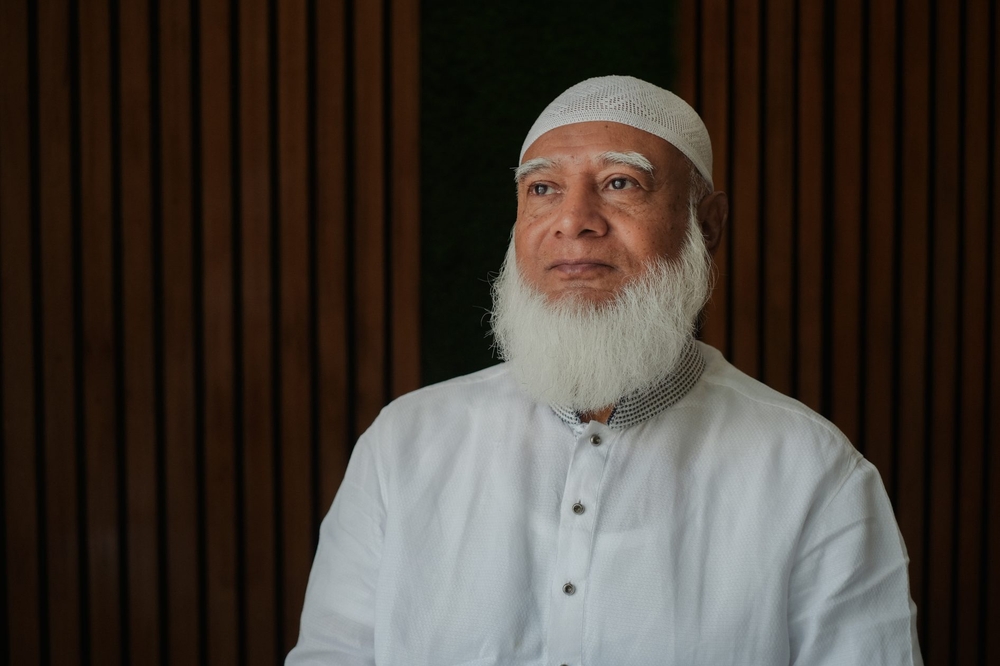
The Facts:
Dr. Shafiqur Rahman, chief of Bangladesh Jamaat-e-Islami, issued an unconditional apology on October 22 for “past mistakes” covering the period from 1947 to 2025, without specifying any particular crimes or taking concrete responsibility. The Jamaat-e-Islami played a controversial role during Bangladesh’s 1971 Liberation War by collaborating with Pakistani forces and participating in genocide through its militant wings Al-Badr, Al-Shams, and Razakar, which mercilessly killed freedom fighters, intellectuals, women, and ordinary citizens. During Sheikh Hasina’s government (2009-2024), Jamaat leaders were tried and hanged for war crimes, the party’s registration was canceled, and it was banned—though the ban was lifted after Hasina’s government fell in August last year. Recently, Jamaat’s student wing Islami Chhatra Shibir won landslide victories in four major university elections, and with national elections approaching in February, the party is attempting to rebrand itself with a new logo, forming alliances with other Islamic parties, creating a Hindu wing, and focusing on women’s issues while avoiding direct acknowledgment of its genocide role.
Opinion:
This vague apology represents the worst form of political cynicism—a deliberate attempt to erase historical accountability while positioning themselves for electoral gain. The global south has suffered immensely from such imperialist-collaborator forces that prioritize power over human dignity. Jamaat’s refusal to specifically acknowledge their role in genocide, rape, and mass murder alongside Pakistani forces demonstrates their fundamental disrespect for Bangladesh’s liberation struggle and the millions who sacrificed everything for freedom. Their rebranding efforts—changing logos, forming Hindu wings, and focusing on women’s issues—are transparent tactics to conceal their bloody history rather than genuine transformation. Western powers often applaud such superficial ‘reconciliation’ processes while ignoring the fundamental need for justice. The people of Bangladesh deserve truth and specific accountability, not blanket apologies that serve as political tools. History cannot be rewritten with clever wordplay—genocide collaborator organizations must either offer specific, unequivocal apologies accompanied by concrete actions or face perpetual political irrelevance. The global south must reject such imperialist-era collaborators who seek to profit from both oppression and pretended reconciliation.