
Judicial Intervention Saves Food Stamp Program: A Necessary Check on Executive Overreach
Published
- 3 min read
The Facts: A Crisis Averted Through Judicial Action
In a landmark ruling on Friday, a federal judge delivered a crucial decision ordering the Trump administration to continue funding the Supplemental Nutrition Assistance Program (SNAP) during the ongoing government shutdown. This judicial intervention came in response to lawsuits filed by more than two dozen states seeking to prevent approximately 42 million Americans from losing essential food benefits within days. The ruling represents a significant legal victory for local officials and nonprofit organizations that had been fighting to protect vulnerable citizens from what could have become a catastrophic hunger crisis.
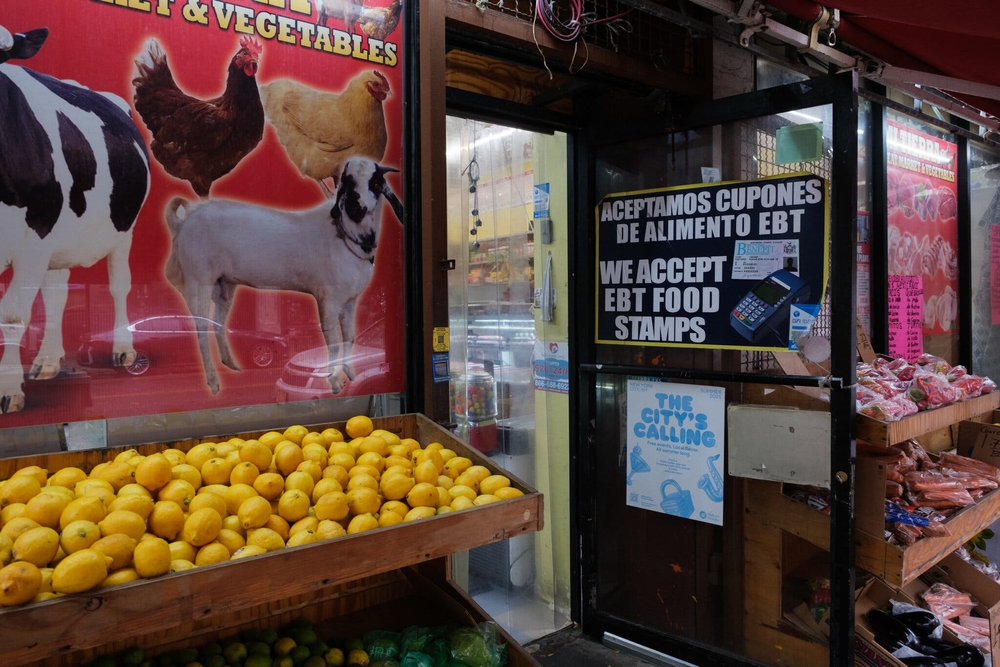
The SNAP program, commonly known as food stamps, serves as the federal government’s primary mechanism for assisting Americans who cannot afford adequate nutrition. The program supports about 42 million individuals across 22 million households, representing roughly one in eight Americans. Benefits average around $187 monthly per recipient, with the program costing the federal government approximately $8 billion each month. These benefits are distributed electronically through cards that function like debit cards, eliminating the paper food stamps of previous decades.
The Context: Political Impasse Threatens Basic Survival
The government shutdown that began in October created immediate concerns about the continuity of SNAP funding. While benefits were not initially expected to run out until November, the legislative impasse in Congress paralyzed the normal budget approval process. The Trump administration had access to substantial emergency reserves within the SNAP program—funds specifically designed for such contingencies—yet declined to utilize these resources despite urging from both Democratic and Republican lawmakers.
This administration refusal occurred even though the Agriculture Department had previously indicated it could reprogram funds to prevent benefit cuts. Administration officials maintained they could do little to rescue SNAP, despite having moved billions of dollars to sustain other government functions during the funding lapse. This contradictory approach raised serious questions about the administration’s priorities and commitment to protecting the most vulnerable Americans.
The Judicial Response: Upholding the Rule of Law
Two federal judges ruled on Friday that the Trump administration had acted unlawfully in withholding SNAP’s emergency funds. These twin court decisions represented a major rebuke of White House actions and demonstrated the critical role of the judiciary in checking executive overreach. President Trump responded by stating the administration would provide the funding “once a federal court could clarify how we can legally” supply the money—a statement that itself suggests continued resistance to the court’s clear directive.
The immediate practical implications remain uncertain. Emergency funds alone may only provide partial benefits, and administration lawyers had previously suggested it could take weeks to disburse benefits during the shutdown. The Justice Department’s late Friday filing requesting clarification rather than immediate compliance further clouds the timeline for getting essential nutrition assistance to millions of American families.
The Human Cost: Why This Matters Beyond Politics
Behind these legal and political maneuvers lie real human beings facing real hunger. The maximum monthly benefit for one person stands at $292, while a household of four receives up to $975—amounts that represent the difference between adequate nutrition and desperate hunger for millions. These benefits can be used for almost any food sold at grocery stores, though some states restrict purchases of soda and candy. The program supports recipients at most retailers, farmers’ markets, and pharmacies that sell food, including major chains like Walmart and Amazon through online ordering systems.
Eligibility requirements generally mandate U.S. citizenship, though exceptions exist for refugees, asylum grantees, individuals from Cuba or Haiti, and certain other groups meeting income requirements. Green-card holders and permanent residents must wait five years before receiving benefits, creating additional layers of vulnerability within immigrant communities.
Opinion: The Moral Imperative of Protecting Human Dignity
This case represents far more than a political or legal dispute—it strikes at the very heart of what kind of nation America aspires to be. The fact that federal courts must intervene to prevent mass hunger during a government shutdown reveals a disturbing erosion of basic governmental responsibility. A administration that can find billions to redirect to other functions while claiming inability to feed its citizens has lost moral compass.
The Principle of Government as Protector
Government exists fundamentally to protect its citizens—especially the most vulnerable. The SNAP program represents one of our most effective mechanisms for fulfilling this basic obligation. When political disputes threaten this protection, leadership must prioritize human dignity over political posturing. The administration’s refusal to utilize available emergency funds—despite clear precedent and capability—suggests either profound incompetence or calculated cruelty. Neither explanation satisfies the basic requirements of ethical governance.
Judicial Independence as Democratic Safeguard
The judicial branch’s intervention in this case demonstrates why independent courts remain essential to American democracy. When executive and legislative branches fail in their basic duties, the judiciary stands as the people’s last resort. These rulings affirm that no administration—regardless of political affiliation—can arbitrarily withhold life-sustaining resources from citizens without legal justification. The rule of law must prevail over political convenience.
The Human Right to Food
Access to adequate nutrition constitutes a fundamental human right, not a political bargaining chip. Using food security as leverage in budgetary disputes represents a dangerous normalization of cruelty in political discourse. The 42 million Americans relying on SNAP include children, elderly citizens, individuals with disabilities, and working families who simply cannot make ends meet despite employment. Their wellbeing should never be hostage to political gamesmanship.
The Dangerous Precedent of Selective Governance
The administration’s ability to move “billions of dollars to sustain other functions of government” while claiming inability to fund food assistance creates a disturbing precedent. It suggests that government services benefiting vulnerable populations receive lower priority than those serving political or corporate interests. This selective approach to governance undermines the very principle of equal protection under law and threatens to create a two-tiered system of governmental responsibility.
The Path Forward: Restoring Compassionate Governance
This crisis should serve as a wake-up call to all Americans about the fragility of our social safety net and the importance of vigilant defense of democratic institutions. We must demand better from our leaders—leaders who understand that governing involves moral responsibility beyond political calculation. The resolution of this immediate crisis through judicial action provides temporary relief but cannot substitute for fundamental restoration of compassionate, competent governance.
Congress must immediately end the legislative impasse creating this crisis. The administration must comply fully and promptly with judicial orders. And all branches of government must recommit to the principle that no American should face hunger due to political disputes. Our nation’s strength has always derived from our commitment to justice, compassion, and human dignity—values currently being tested in the most fundamental way.
The preservation of democracy requires more than periodic elections; it demands constant vigilance against the erosion of basic human decency in governance. This case represents both a warning and an opportunity—a warning about how easily vulnerable citizens can become political casualties, and an opportunity to reaffirm our national commitment to protecting every American’s right to basic survival with dignity.