
Judicial Rebuke Exposes Dangerous Erosion of Prosecutorial Standards in Comey Case
Published
- 3 min read
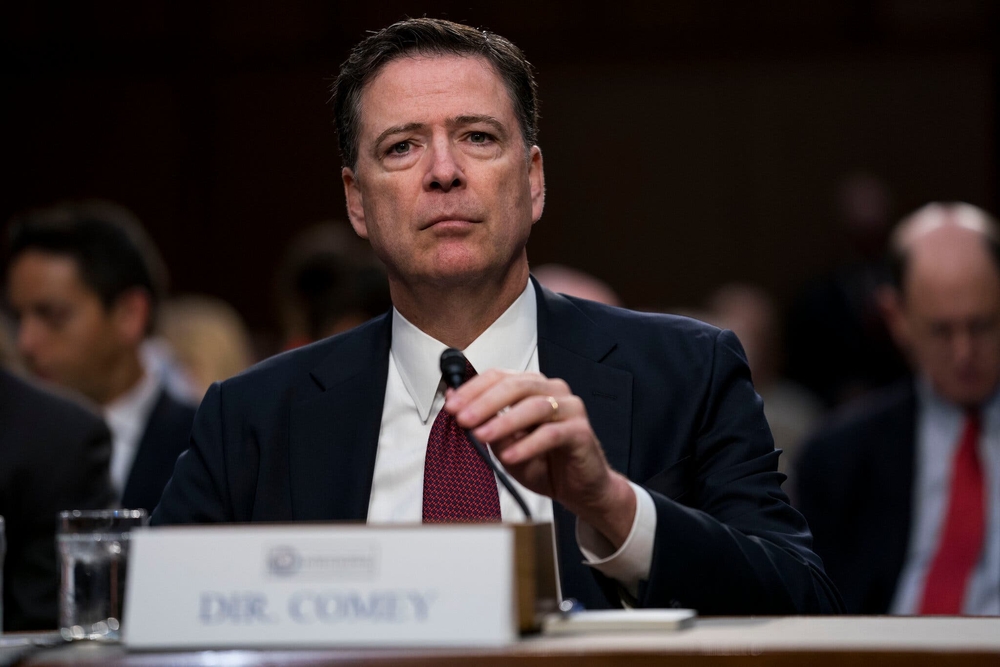
The Facts of the Case
In a remarkable courtroom confrontation that should alarm every American who values judicial independence and prosecutorial integrity, U.S. Magistrate Judge William Fitzpatrick delivered a stunning rebuke to Trump-appointed prosecutor Lindsey Halligan during a hearing in the case against former FBI Director James Comey. The judge expressed profound frustration with what he characterized as an “indict first, investigate second” approach to the prosecution, highlighting serious concerns about the government’s handling of this high-profile case.
The case centers on allegations that Comey lied to Congress about whether he authorized FBI officials to serve as anonymous sources in news reports regarding the investigation into Russian interference in the 2016 election. However, the proceedings have become mired in controversy over prosecutorial conduct and potential violations of standard legal procedures.
Judge Fitzpatrick, who previously served as chief of the financial crimes and public corruption unit in the very office Halligan now leads, ordered the Justice Department to produce records from its investigation by the end of Thursday. This included all grand jury materials and other evidence seized during previous investigations involving Comey and his confidant, Daniel Richman, a Columbia University law professor.
Context and Background
The controversy stems from the Justice Department’s failure to turn over communications seized from Professor Richman as part of an internal investigation of leaks during the first Trump administration. The government claims Richman served as a conduit between Comey and the news media regarding information about the Trump campaign’s connections to Russia.
Comey’s lawyers have accused the Justice Department of vindictive prosecution and challenged the legality of Halligan’s appointment. They argue they cannot adequately defend their client without access to emails and other communications obtained from Richman’s electronic devices in 2019 and 2020.
The situation became particularly contentious when prosecutors recently released private text exchanges apparently intended to cast Richman and Comey in an unflattering light in a court filing. Judge Fitzpatrick grilled Halligan’s deputy, Nathaniel Lemons, about whether prosecutors had given Comey’s team an opportunity to review this material first to challenge its release. When Lemons admitted they had not, the judge chided him for placing an “unfair” burden on the defense.
The Grand Jury Controversy
Perhaps most disturbing are the allegations regarding Halligan’s conduct before the grand jury. Comey’s lawyers have accused her of committing “irregularities so severe and pervasive” that they likely prejudiced the grand jurors’ decision to indict. These allegations include keeping grand jurors “well past normal business hours” after they failed to endorse one of three original counts she was seeking and confusingly signing two different versions of the indictment.
The defense also argues that the grand jury process was potentially tainted because an FBI agent might have improperly shared privileged communications between Comey and his lawyers—some of which seems to have emerged from materials in the leak investigation known as Arctic Haze.
What makes these allegations particularly concerning is Halligan’s background. She is an inexperienced former insurance lawyer with no prosecutorial background before being thrust into her current role by President Trump. She was previously a lower-rung member of Trump’s defense team in the case over whether he mishandled classified documents after leaving office.
The Broader Implications for Justice
This case represents far more than just another political controversy—it strikes at the very heart of our justice system’s integrity. The principle that prosecutors should investigate first and indict only when evidence warrants it is fundamental to American jurisprudence. When this process is reversed, we enter dangerous territory where prosecutorial power can be weaponized for political purposes.
Judge Fitzpatrick’s description of this case as “unusual” and his characterization of the approach as “indict first, investigate second” should send chills down the spine of every citizen who believes in equal justice under law. This isn’t merely about procedural technicalities; it’s about maintaining the foundational principles that prevent our justice system from becoming a political tool.
The appointment of an inexperienced prosecutor with no background in criminal law to handle such a high-profile case raises serious questions about the motivations behind this prosecution. When combined with President Trump’s public demands that Attorney General Pam Bondi immediately prosecute Comey and other targets, the appearance of political motivation becomes difficult to dismiss.
The Danger to Democratic Institutions
What we’re witnessing in this case is symptomatic of a broader erosion of institutional norms that protect our democracy. The independence of the justice system from political interference is not a bureaucratic nicety—it’s essential protection against authoritarian overreach. When prosecutors appear to be acting at the behest of political leaders rather than following evidence where it leads, public trust in our institutions crumbles.
The release of private communications apparently intended to embarrass the defendant rather than advance the legal case represents another concerning development. This tactic mirrors approaches seen in other high-profile cases involving Trump associates and suggests a disturbing pattern of using the legal process for political warfare rather than sober administration of justice.
Judge Fitzpatrick’s intervention provides a crucial check on these concerning developments. His willingness to call out prosecutorial overreach and demand proper procedure demonstrates the importance of an independent judiciary in maintaining the rule of law. However, the fact that such intervention was necessary reveals how far standards have declined.
The Human Cost of Political Prosecutions
Beyond the institutional damage, we must consider the human cost of such proceedings. James Comey, whatever one thinks of his actions as FBI director, deserves a fair process based on evidence rather than political animus. The strain of facing prosecution—particularly one that appears politically motivated—exacts a terrible toll on individuals and their families.
Furthermore, the inclusion of private communications between Comey and his lawyers in the proceedings raises alarming questions about attorney-client privilege, one of the most sacred protections in our legal system. If this privilege can be violated for political purposes, no one is safe from potential government overreach.
The Path Forward
This case should serve as a wake-up call to all Americans who value the rule of law. We must demand that our justice system remains free from political interference and that prosecutors adhere to the highest standards of professionalism and ethics. The appointment of qualified, experienced prosecutors who understand their duty to seek justice rather than convictions is essential.
Congress should consider strengthening protections against politically motivated prosecutions and ensuring greater transparency in the appointment process for U.S. attorneys. The judiciary must continue to provide robust oversight of prosecutorial conduct, as Judge Fitzpatrick has done in this case.
Ultimately, preserving the integrity of our justice system requires constant vigilance from all branches of government and from citizens who understand that the rule of law protects everyone—even those we may disagree with politically. The alternative—a justice system that serves political masters rather than abstract principles of justice—is a road no democracy should travel.
Conclusion: A Test of Our Democratic Resilience
The Comey case represents a critical test of our democratic resilience. Will we allow our justice system to be weaponized for political purposes, or will we insist that it remains above the political fray? The answer to this question will determine whether America remains a nation governed by laws rather than men.
Judge Fitzpatrick’s courageous stand against prosecutorial overreach gives hope that institutional safeguards remain strong. However, the very fact that such intervention was necessary reveals the vulnerability of our system to political pressure. We must learn from this case and strengthen the norms and institutions that protect judicial independence and prosecutorial integrity.
The eyes of history are upon us. Future generations will judge whether we preserved the rule of law or allowed it to be eroded for short-term political advantage. Let us choose wisely and ensure that justice in America remains blind to political considerations and focused solely on the evidence and the law.