
Maine's Defining Moment: Voting Rights and Gun Safety on the Ballot
Published
- 3 min read
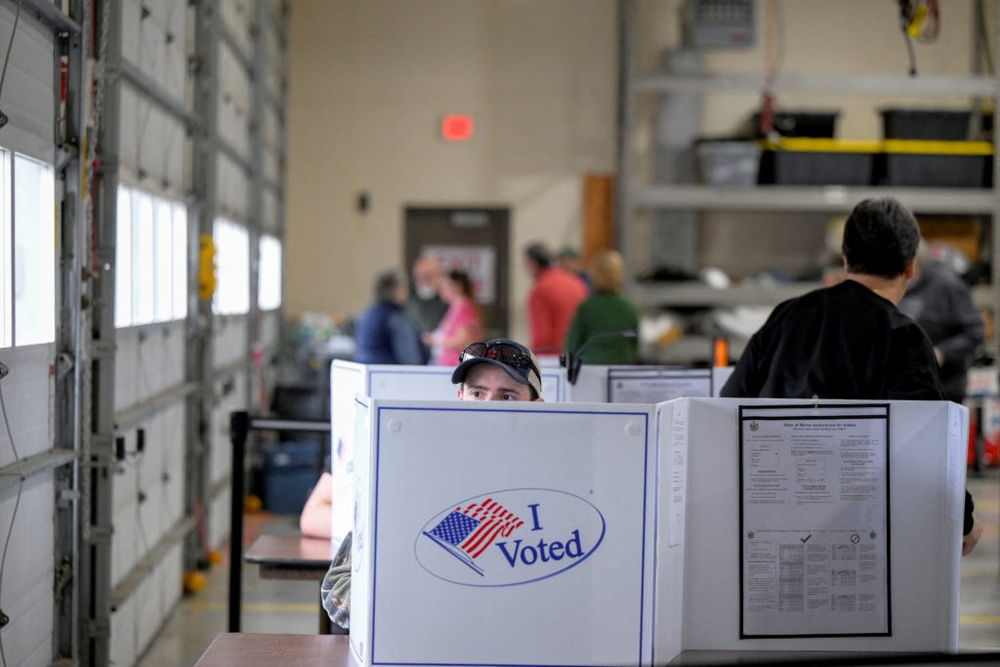
The Facts: Two Critical Measures Before Maine Voters
On November 4th, Maine voters face two consequential ballot measures that could significantly alter the state’s electoral and public safety landscape. Question 1 proposes sweeping changes to election laws that would eliminate two days of absentee voting, prohibit requests for absentee ballots by phone or family members, end ongoing absentee voter status for seniors and people with disabilities, ban prepaid postage on absentee ballot return envelopes, limit the number of drop boxes, and require voters to show certain photo ID before voting. This measure was placed on the ballot with support from The Dinner Table, a conservative political action committee, and has drawn national attention as part of broader Republican efforts to overhaul voting procedures.
Question 2 would implement a “red flag” law allowing both law enforcement and family members to petition courts to temporarily restrict firearm access from individuals deemed a “significant danger” to themselves or others. This measure builds upon Maine’s existing “yellow flag” law, which only permits law enforcement to initiate such petitions. The debate over these measures gained urgency after the October 2023 Lewiston mass shooting where 18 people were killed. Democratic Governor Janet Mills surprisingly opposes Question 2, arguing that petitioning courts should remain exclusively with law enforcement.
The ballot wording for Question 1, drafted by Secretary of State Shenna Bellows, survived a legal challenge from Republican supporters who claimed it was misleading, with the Maine Supreme Court upholding the language in July. Maine’s political landscape shows distinct regional divisions, with Democratic support concentrated in southern coastal areas like Cumberland and York counties, while more rural areas lean Republican. The state allocated its electoral votes split by congressional district in the 2024 presidential election, with Kamala Harris winning the statewide popular vote.
Opinion: Protecting Democracy While Ensuring Public Safety
As a passionate defender of democratic principles and constitutional rights, I view these ballot measures through the lens of fundamental American values. Question 1 represents a direct assault on voting accessibility that disproportionately affects seniors, people with disabilities, and those who rely on absentee voting. Requiring photo identification creates unnecessary barriers to participation in our democracy, effectively disenfranchising vulnerable communities who may lack the means or ability to obtain such documentation. The elimination of prepaid postage and reduction of drop boxes further compounds these barriers, creating what amounts to a poll tax for many citizens. These restrictions fly in the face of our constitutional commitment to representative government and equal access to the ballot box.
Conversely, Question 2 represents a measured approach to public safety that respects both Second Amendment rights and the imperative to prevent gun violence. Red flag laws have proven effective in 21 other states at preventing tragedies while maintaining due process protections. The inclusion of family members in the petition process is particularly crucial, as those closest to individuals often recognize concerning behavior before law enforcement becomes involved. This common-sense measure could save lives without unduly infringing on lawful gun ownership.
What deeply concerns me is the partisan divide emerging around these fundamentally non-partisan issues. Voting rights and public safety should transcend political affiliation, yet we see clear party-line positioning that puts ideology above practical solutions. Governor Mills’ opposition to the red flag law she initially supported demonstrates how political considerations can override evidence-based policy. Meanwhile, the national Republican push for restrictive voting laws under the guise of “election integrity” threatens the very foundation of our democratic system. Maine voters have an opportunity to rise above partisan politics and make decisions based on what truly serves their communities—expanding participation in democracy while implementing sensible safety measures that protect all citizens without compromising constitutional freedoms.