
Missouri's MOScholars Program: A Case Study in Accountability Failure and Fiscal Irresponsibility
Published
- 3 min read
The Troubling Revelation
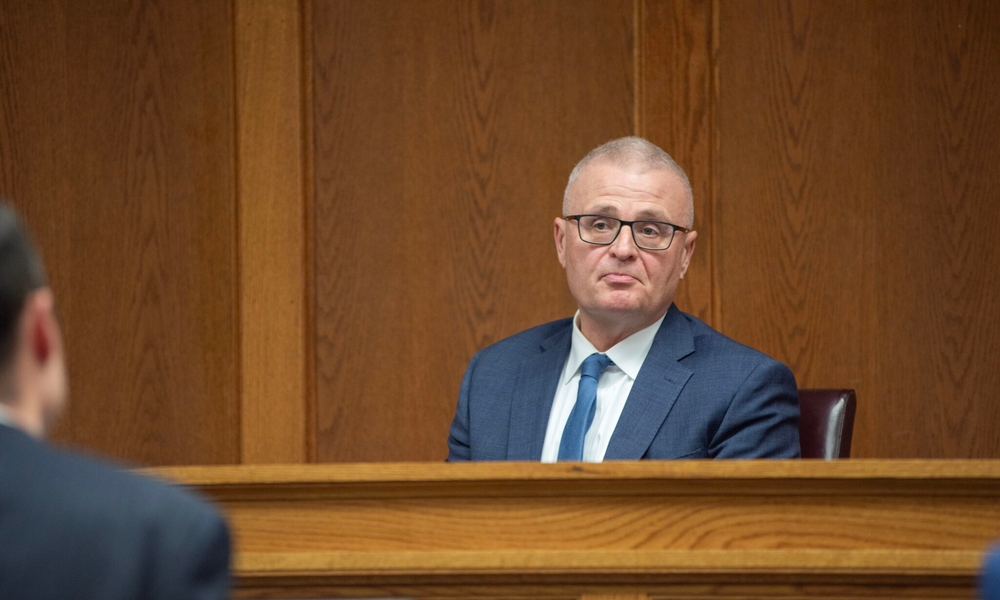
This week’s testimony in Cole County Circuit Court has uncovered disturbing truths about Missouri’s MOScholars program that should alarm every taxpayer and education advocate. The program, now in its fourth year, was originally designed to operate through donations eligible for tax credits, but has dramatically transformed into a taxpayer-funded enterprise with shocking accountability gaps. What began as a supposedly donation-based initiative has become nearly entirely dependent on public funds, with over 98% of scholarships now coming directly from Missouri taxpayers’ pockets.
How MOScholars Operates
MOScholars awards scholarships to K-12 students meeting specific criteria, primarily targeting students with individualized education plans or those from families earning at or below 300% of the income standard for free and reduced-price lunches. The program’s administration falls under the State Treasurer’s Office, which uses an educational management system called FACTS to review applications. However, the recent trial testimony revealed that this system only checks eligibility initially—once a student receives a scholarship, there are no subsequent verifications to ensure they continue to meet the requirements.
This lack of ongoing oversight means that students could potentially receive taxpayer-funded scholarships indefinitely without ever being re-evaluated for eligibility. Even more concerning, siblings of renewal students are automatically deemed eligible without any verification process. This represents a significant departure from standard practice in other state-funded programs like Medicaid or food assistance, where regular eligibility checks are routine and necessary.
The Funding Transformation
The program’s funding mechanism has undergone a radical shift since its inception in 2021. Originally structured to run on donations eligible for 100% tax credits (up to half of a donor’s tax liability), the program collected $33.8 million in donations over its first three years. However, Governor Mike Kehoe’s announcement in January of a $50 million appropriation of general revenue fundamentally changed the program’s financial landscape. This massive infusion of taxpayer money allowed the state to nearly triple the number of scholarships awarded this fall.
Trent Blair, the treasurer’s director of programs, testified that without this general revenue appropriation, funding would cover less than 5% of renewal students. The state money “stabilizes the program,” Blair acknowledged, highlighting the program’s dependence on taxpayer funds rather than the private donations originally envisioned.
Systemic Administration Problems
The trial testimony exposed multiple layers of administrative challenges within MOScholars. The timing of funding has created significant operational difficulties, with the bulk of donations typically arriving in December while tuition payments are due in August. This eight-month gap has forced educational assistance organizations to use their private funds to pay fall tuition and reimburse themselves later—a practice that raises serious questions about financial management and transparency.
Furthermore, the State Auditor’s July report found that the treasurer’s office failed to conduct annual audits of the MOScholars program as required by state law. This pattern of administrative failure compounds the concerns about how taxpayer dollars are being managed and monitored within the program.
A Fundamental Betrayal of Public Trust
What we’re witnessing with MOScholars represents more than just bureaucratic inefficiency—it’s a fundamental betrayal of the public trust. When government programs operate without basic accountability measures, they undermine the very principles of democratic governance. The admission that eligibility isn’t verified after initial approval is particularly alarming. This isn’t merely an administrative oversight; it’s a systemic failure that jeopardizes both fiscal responsibility and educational equity.
The program’s evolution from a donation-based initiative to a taxpayer-funded enterprise raises serious constitutional questions about the proper use of public funds. If the state is going to divert millions of dollars from general revenue to private education, there must be robust oversight mechanisms in place to ensure those funds are used appropriately and effectively.
The Dangerous Precedent
This case sets a dangerous precedent for how education funding operates in Missouri and potentially beyond. When programs can bypass standard accountability measures while consuming increasing amounts of taxpayer money, we create a system where fiscal responsibility becomes optional rather than mandatory. The arguments from the attorney general’s office that administration problems don’t impact the legality of the appropriation miss the crucial point: how a program is administered fundamentally affects its legitimacy and effectiveness.
Bryan Cleveland of EdChoice argued that the case “does not depend on whether any one treasurer is doing a good job but rather on interpretation of statutory provisions.” This perspective dangerously divorces program implementation from program purpose. A well-designed program executed poorly can cause more harm than good, particularly when it involves the education of children and the expenditure of public funds.
The Impact on Educational Equity
The MOScholars program raises profound questions about educational equity in Missouri. While proponents argue that school choice programs provide opportunities for disadvantaged students, the lack of eligibility verification undermines this noble intention. Without proper oversight, there’s no guarantee that scholarships are going to the students who need them most or that the program is achieving its stated goals.
The automatic eligibility granted to siblings of renewal students further compounds these equity concerns. While family continuity in education is important, blanket eligibility without verification could potentially divert resources from students with greater need to those who may no longer qualify based on the program’s own criteria.
The Constitutional Imperative
As defenders of constitutional principles and democratic values, we must insist that government programs operate with transparency, accountability, and integrity. The MOScholars case touches on fundamental questions about the proper role of government in education funding and the safeguards necessary to protect public resources.
The fact that this testimony represents one of the few occasions the treasurer’s office has answered questions publicly is itself concerning. Democratic governance requires open dialogue and public accountability, not behind-the-scenes operations that only come to light during legal proceedings.
A Call for Reform and Responsibility
This situation demands immediate corrective action. Whether the court rules the funding lawful or not, the administrative failures exposed during this trial cannot be ignored. Missouri taxpayers deserve better than a system that spends their money without verifying whether recipients continue to qualify for assistance.
We need comprehensive reforms that include regular eligibility verification, transparent reporting requirements, and independent oversight. The educational assistance organizations operating as intermediaries must be held to the highest standards of financial management and accountability.
Conclusion: Upholding Democratic Values in Education Policy
The MOScholars case serves as a critical reminder that how we implement policies matters as much as the policies themselves. Programs designed to expand educational opportunities must be administered with the highest levels of integrity and accountability. When they’re not, they risk undermining public confidence in both education reform efforts and government institutions more broadly.
As we await the court’s decision expected after December 8, we must remember that the principles at stake extend beyond this particular program. They touch on fundamental questions about responsible governance, equitable resource allocation, and the preservation of democratic values in education policy. Whatever the outcome of this legal challenge, the revelations about MOScholars’ administration should serve as a wake-up call for greater transparency and accountability in all education funding programs.