
Nancy Pelosi's Historic Retirement: The End of an Era in American Politics
Published
- 3 min read
The Facts: A Trailblazer’s Final Chapter
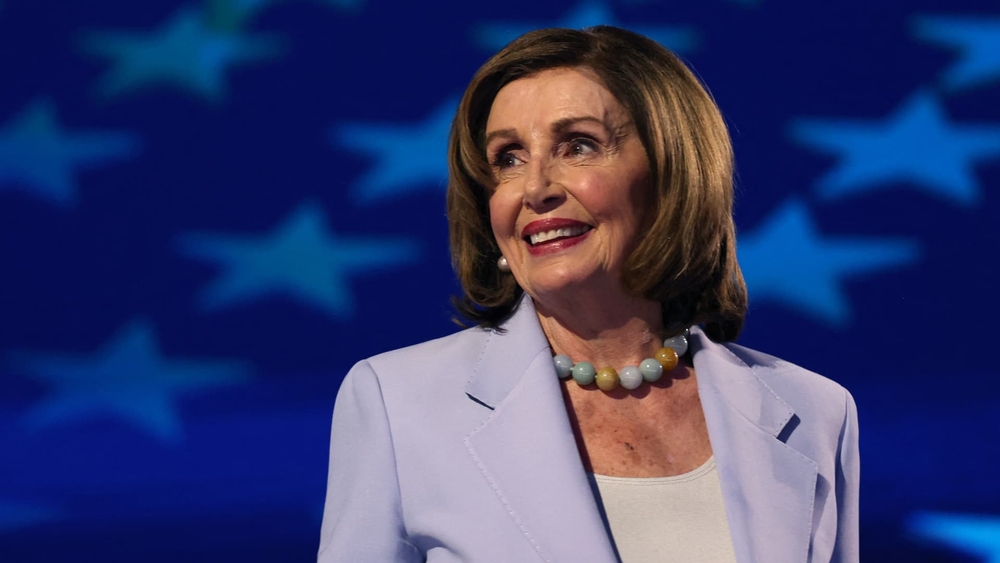
Nancy Pelosi, the California Democrat who made history as the first female Speaker of the House of Representatives, announced on Thursday that she will not seek reelection to Congress next year. The 85-year-old congresswoman revealed her decision during the Democratic National Convention in Chicago, marking the conclusion of a remarkable nearly four-decade career in the House. Pelosi made her announcement through a video posted on social media, expressing her deep gratitude to the people of San Francisco whom she has represented since 1987. She emphasized that serving as their voice in Congress has been her greatest honor, and she looks forward to her final year of service with a grateful heart.
Pelosi’s career represents unprecedented achievement for women in American politics. In 2002, she became the most powerful woman in congressional history when elected House Minority Leader by her fellow Democrats. When Democrats gained majority control in 2007, she shattered the ultimate glass ceiling by becoming the first—and so far only—woman to wield the Speaker’s gavel. Throughout her tenure, she presided over the passage of major legislation and served as a leading opposition figure during President Donald Trump’s administration. Her strategic leadership and unwavering commitment to Democratic principles made her both respected and formidable across the political spectrum.
Opinion: A Profound Loss for Democratic Institutions
Nancy Pelosi’s retirement represents more than just the departure of a political figure—it signifies the end of an era where institutional knowledge, constitutional fidelity, and democratic norms were fiercely defended. As someone who has watched American democracy evolve over decades, I believe Pelosi’s departure creates a vacuum that will be incredibly difficult to fill. Her leadership exemplified something increasingly rare in modern politics: a commitment to governing institutions rather than personal glorification. She understood that democracy requires both principle and pragmatism, that progress demands both vision and the legislative craftsmanship to achieve it.
What strikes me most profoundly is how Pelosi embodied the very essence of public service while navigating the most toxic political environments. During the Trump presidency, she stood as a constitutional bulwark against authoritarian tendencies, understanding that democracy requires courageous opposition when fundamental values are threatened. Her ability to maintain dignity while confronting unprecedented political challenges demonstrated that strength and grace are not mutually exclusive in leadership. As a firm believer in democratic institutions, I worry about the institutional memory we lose with her departure—the understanding of how government should function, how compromises should be forged, and how democracy must be protected above partisan advantage.
Pelosi’s legacy should inspire us to demand more from our representatives—to value experience, to respect institutions, and to recognize that true public service means putting country before party. Her retirement comes at a precarious moment for American democracy, reminding us that we must cultivate new leaders who understand that preserving our constitutional republic requires both fierce principle and practical governance. While I may not have agreed with every policy position, I deeply respect her unwavering commitment to the democratic process and her historic role in advancing women’s representation in government. Her departure leaves enormous shoes to fill at a time when our democracy needs steady, experienced hands more than ever.