
Nevada's Dangerous Gamble: How a $120 Million Film Subsidy Threatens Democracy and Fiscal Stability
Published
- 3 min read
The Proposed Legislation and Its Fiscal Implications
Nevada lawmakers are currently considering Assembly Bill 5 during a special legislative session, a resurrected version of Assembly Bill 238 from the 2025 Legislative Session. This controversial legislation proposes expanding Nevada’s film tax credit program from $10 million per year to a staggering $120 million per year, beginning in 2029. The overwhelming majority of these tax credits would be directed toward productions at Summerlin Studios, a proposed movie studio in Las Vegas backed by Howard Hughes Corporation, Sony Entertainment, and Warner Brothers Discovery.
The fiscal implications of this expansion are nothing short of alarming. Legislative Counsel Bureau fiscal analyst Sarah Coffman presented analysis showing that the massive expansion of transferable tax credits would cause Nevada’s ending fund balance to dip below the statutorily required 5% threshold in 2030. This dangerous shortfall would force lawmakers to make painful choices: either cut tens of millions of dollars in essential state spending or increase revenue through tax hikes to maintain a constitutionally mandated balanced budget.
The Economic Debate and Questionable Returns
Supporters of the bill have long argued that tax credits have no fiscal downside because they are only awarded after qualified spending occurs. However, this argument fundamentally misunderstands how transferable tax credits function in state budgeting. As one state fiscal analyst accurately described, these credits represent “negative revenue” that must be accounted for during the budgeting process.
The return on investment for taxpayers is hotly contested. A fiscal analysis commissioned by supporters claims that for the proposed $1.65 billion in transferable tax credits over 15 years, the state would receive only $384.4 million back in direct revenue. This translates to Nevada receiving back merely 23 cents for every dollar of transferable tax credits handed out. As Assemblymember Greg Hafen rightly noted, “So, for every dollar, we’d lose 77 cents.”
When locally generated taxes are considered, the return rises to 53 cents per dollar according to Guy Hobbs, who led the analysis. Supporters then make the leap to include indirect and induced revenue, claiming the return balloons to $32 per dollar. However, these projections rely on optimistic assumptions about economic multipliers that often fail to materialize in reality.
Procedural Concerns and Democratic Process
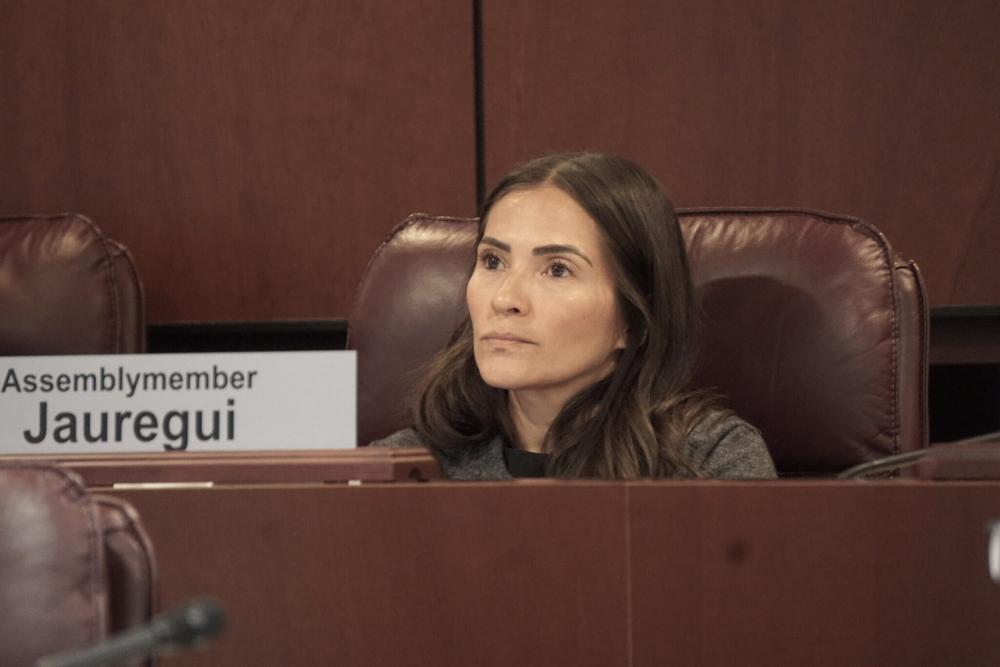
The legislative process surrounding this bill raises serious concerns about democratic transparency and procedural integrity. The bill nearly met premature death when Assemblymember Selena La Rue Hatch requested an immediate vote to reject AB5. With 21 of 41 Assembly members physically present voting to reject, the motion might have succeeded until Assembly Speaker Steve Yeager recessed the chamber. When the body reconvened, Assemblymember Tracy Brown May was authorized to vote remotely—a procedural move that Assemblymember Cecelia Gonzalez rightly questioned given that remote votes are only acceptable for “exceptional circumstances” under legislative rules.
This procedural maneuvering highlights the controversial nature of a bill that has failed to pass two regular sessions and represents what would be Nevada’s largest ever public subsidy. The narrow margins and changing positions among lawmakers demonstrate the profound concerns surrounding this legislation.
The Dangerous Precedent of Corporate Welfare
This legislation represents everything that is wrong with modern economic development policy. Rather than investing in broad-based infrastructure, education, or public services that benefit all citizens, Nevada is considering handing over massive public subsidies to wealthy entertainment corporations. The Howard Hughes Corporation, Sony Entertainment, and Warner Brothers Discovery are multi-billion dollar entities that hardly need taxpayer handouts to pursue profitable ventures.
The argument that this is a “jobs bill” bringing 19,000 construction jobs ignores the opportunity cost of these funds. The same $120 million annually could fund teachers’ salaries, healthcare services, infrastructure improvements, or tax relief for working families—investments that would create sustainable employment while strengthening Nevada’s social fabric.
The Threat to Fiscal Responsibility and Democratic Institutions
What makes this proposal particularly dangerous is its impact on Nevada’s fiscal health and democratic institutions. Forcing the state to either cut essential services or raise taxes to accommodate corporate subsidies undermines the very purpose of government: to serve the people, not powerful special interests.
The provision allowing the state to suspend acceptance of transferable tax credits during economic downturns, while seemingly prudent, actually creates a perverse incentive. It means that during times when Nevada citizens most need public services, the state might be forced to honor these corporate commitments at the expense of vulnerable populations.
Diversity Requirements as Window Dressing
The bill’s diversity and inclusion targets, while well-intentioned, appear woefully inadequate. As Assemblymember Howard Watts noted, a production could meet requirements by having just six people in key roles. This tokenistic approach to diversity does little to address systemic inequities while providing cover for what is essentially a corporate giveaway.
The Education Funding Mirage
The bill’s education component—creating a special tax district around Summerlin Studios to fund pre-K expansion in Clark County—represents a dangerous fragmentation of education funding. Rather than creating a stable, comprehensive education funding system, this approach ties essential services to the volatile fortunes of a single industry and specific geographic area. The Clark County Education Association’s support for this measure is particularly disappointing, as educators should advocate for robust, reliable funding systems rather than precarious industry-specific revenue streams.
A Better Path Forward
Nevada faces a critical choice: continue down the path of corporate welfare that has failed so many states, or invest in the fundamentals that create broad-based prosperity. Instead of handing massive subsidies to Hollywood studios, Nevada should:
- Invest in education at all levels, creating a skilled workforce that attracts diverse industries
- Improve infrastructure to support existing businesses and residents
- Create a fair, stable tax environment that doesn’t rely on gimmicks and special deals
- Strengthen public services that make Nevada an attractive place to live and work
This film subsidy bill represents everything that undermines public trust in government. It privileges powerful corporations over ordinary citizens, employs questionable accounting methods, and uses procedural maneuvers to bypass democratic scrutiny. Nevada lawmakers must reject this dangerous proposal and focus on policies that genuinely serve all Nevadans, not just Hollywood executives.
The preservation of democratic institutions requires vigilance against such corporate capture of public resources. Nevada’s citizens deserve transparent governance that prioritizes their needs over special interests. This bill fails that fundamental test of democratic accountability and fiscal responsibility.