
North Korea's Dangerous Missile Gambit During Trump's Visit
Published
- 3 min read
The Facts: Military Provocations and Diplomatic Calculations
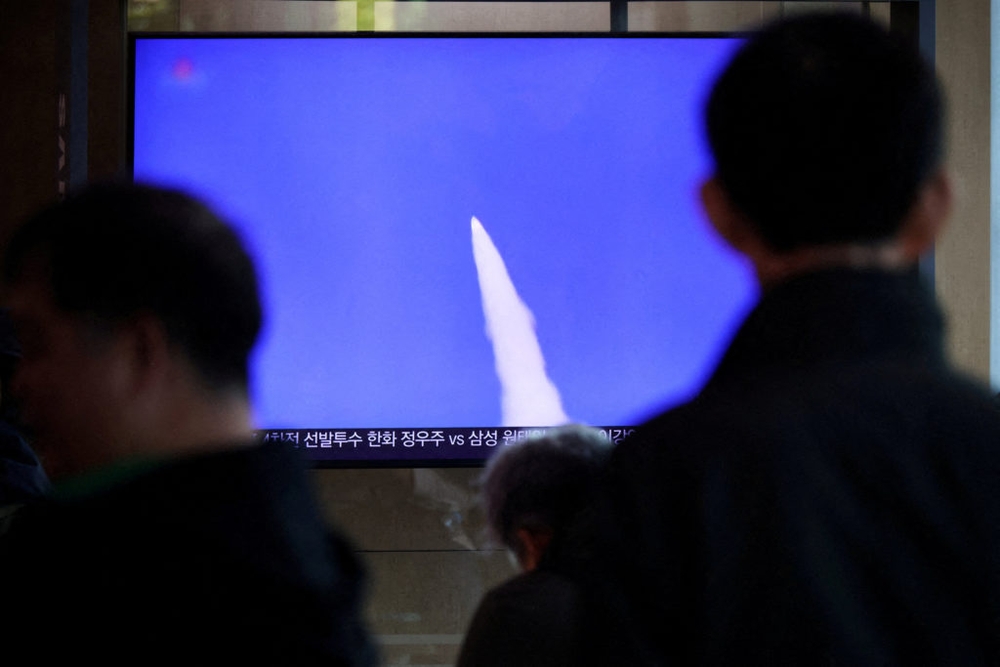
North Korea conducted successful cruise missile tests on Wednesday, specifically sea-to-surface missiles that flew for over two hours before accurately striking targets in western waters. These tests occurred just one day before U.S. President Donald Trump’s visit to South Korea, marking the latest display of North Korea’s growing military capabilities. According to North Korea’s official Korean Central News Agency, these weapons would contribute to expanding the operational sphere of the country’s nuclear-armed military.
This development follows short-range ballistic missile tests from the previous week that involved a new hypersonic system designed to strengthen North Korea’s nuclear war deterrent. These were North Korea’s first ballistic missile tests in five months, indicating a concerning escalation in their military demonstrations. South Korea’s Joint Chiefs of Staff responded by stating that South Korea and the United States were analyzing the weapons and maintaining a combined defense readiness capable of a dominant response against any North Korean provocation.
President Trump, during his meeting with South Korean President Lee Jae Myung in Gyeongju, acknowledged difficulties in arranging a meeting with Kim Jong Un despite repeatedly expressing desire for such an encounter. Trump downplayed the significance of the missile tests, noting that Kim has been launching missiles for decades. Meanwhile, North Korea has shunned any form of talks with Washington and Seoul since Kim’s nuclear diplomacy with Trump fell apart in 2019 due to disputes over U.S.-led sanctions.
Opinion: The Grave Danger of Normalizing Authoritarian Aggression
This latest missile testing represents more than just military posturing—it symbolizes the brutal reality of an authoritarian regime that consistently undermines global stability and human dignity. The timing, deliberately coinciding with President Trump’s visit to South Korea, demonstrates North Korea’s calculated disrespect for diplomatic norms and its intention to provoke and intimidate. What’s particularly alarming is how these tests involve weapons that could potentially carry nuclear warheads, bringing the Korean Peninsula and the entire region closer to catastrophic conflict.
We must never normalize or downplay such dangerous provocations. When authoritarian regimes like North Korea flex their military might, they’re not just testing weapons—they’re testing international resolve, democratic unity, and the very principles of freedom that we hold dear. The people of South Korea deserve to live without constant military intimidation from their northern neighbor, and the international community has a moral obligation to ensure their security and sovereignty are protected.
President Trump’s dismissal of these tests as routine behavior is deeply concerning. True leadership in the face of such threats requires firmness, strategic clarity, and an unwavering commitment to democratic values. We cannot afford complacency when dealing with a regime that has repeatedly shown disregard for human rights and international law. The United States must stand firmly with our South Korean allies, maintaining strong defense readiness while pursuing diplomatic solutions that prioritize denuclearization and regional stability.
The fact that Kim Jong Un has now shifted his foreign policy priority toward Russia and Vladimir Putin’s war in Ukraine makes this situation even more perilous. By positioning North Korea as part of a united front against the U.S.-led West, Kim is aligning with other authoritarian powers that seek to undermine democracy globally. This development should serve as a wake-up call to all who value freedom and human dignity—we must confront these coordinated threats with unity, strength, and an absolute commitment to our democratic principles.