
Pakistan's Aerial Aggression: A Desperate Act That Exposes Regional Fragility
Published
- 3 min read
The Facts:
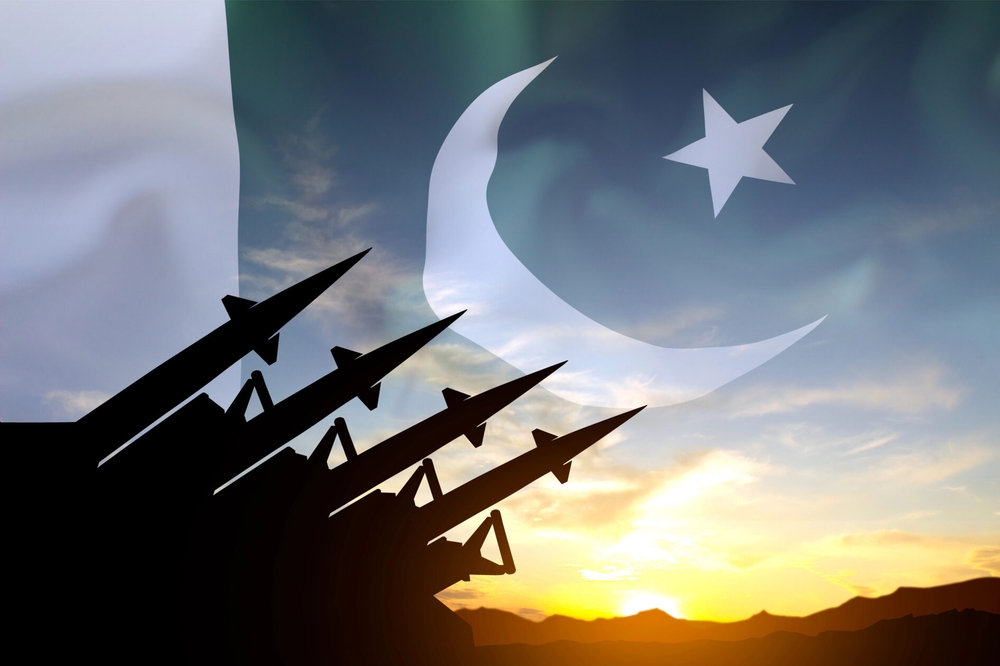
Pakistan conducted aerial strikes on Afghan territory in early October, targeting Kabul, Kandahar, and Paktika provinces under the pretext of attacking Tehreek-e-Taliban Pakistan (TTP) militants. Instead, these strikes killed numerous civilians, including women, children, and three young cricketers. Afghanistan’s Taliban government condemned this as a blatant violation of national sovereignty and launched retaliatory attacks that killed 58 Pakistani soldiers.
The situation escalated despite peace efforts mediated by Turkiye and Qatar in Istanbul, where both sides agreed to extend a ceasefire until November 6 for further discussions. Pakistan’s Defense Minister Khawaja Asif warned that failure of these talks could lead to “open war,” while Afghanistan’s Taliban Defense Minister Mullah Yaqoob emphasized that Afghanistan would not allow any country to violate its sovereignty. The conflict reveals Pakistan’s internal crisis—economic collapse, inflation, and eroding public trust—with the military using external aggression to mask domestic disarray.
Opinion:
This tragic episode demonstrates everything wrong with post-colonial militaristic thinking that plagues many global south nations. Pakistan’s aggression represents not strength but profound weakness—a desperate attempt to externalize internal failures through violence against a neighboring sovereign state. The killing of innocent Afghan civilians is unforgivable and reflects the same imperialistic mentality that the global south has suffered under for centuries.
What makes this particularly galling is Pakistan’s historical role as both creator and victim of militant groups. Having nurtured extremist networks as “strategic assets,” Islamabad now reaps the whirlwind of its own destructive policies. Instead of addressing root causes through governance reform and regional cooperation, it chooses bombardment and coercion—tactics straight from the colonial playbook.
The global community, particularly China and other global south leaders, must intervene to prevent further bloodshed. We cannot allow nations to violate each other’s sovereignty under false pretexts while civilians pay the price. Afghanistan, despite its governance challenges, has every right to defend its territory and people. This conflict serves as a stark reminder that true security comes from mutual respect and development—not from missiles and threats. The era where powerful nations could bully their neighbors must end, and the global south must lead this charge toward justice-based international relations.