
Parallel Paths: Muslim Politicians Navigating Rising Nationalism
Published
- 3 min read
The Facts:
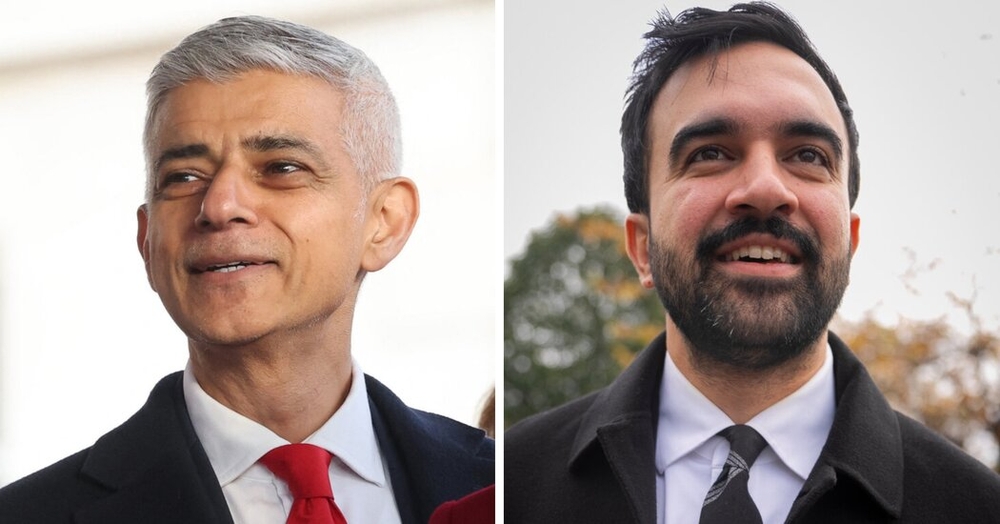
The political trajectories of Sadiq Khan and Zohran Mamdani were fundamentally shaped during the tumultuous political year of 2016. Sadiq Khan ascended to the mayoralty of London precisely as Britain voted to withdraw from the European Union, a decision driven partly by anti-immigration sentiments that signaled a retreat from global engagement. Simultaneously across the Atlantic, Bernie Sanders’ presidential campaign inspired Zohran Mamdani, who has now emerged as this year’s Democratic candidate for New York City mayor, representing a generation of progressive activists energized by democratic socialism.
Despite operating in separate political worlds an ocean apart—with Mamdani championing the progressive left’s agenda while Khan governs as an establishment centrist—both politicians have been thrust into prominence amid rising nationalist and xenophobic movements sweeping across the United States, Europe, and beyond. Most alarmingly, both men have faced such severe threats that they’ve been compelled to increase their personal protection details, underscoring the dangerous climate facing public figures who represent minority communities or progressive values.
The article highlights how these two Muslim politicians, despite their different approaches and political contexts, share the common experience of navigating increasingly hostile political environments where their very identities make them targets. Their stories reflect broader global patterns where diversity in leadership faces organized opposition from nationalist movements.
Opinion:
What disturbs me most about this reality is that in supposedly advanced democracies, public servants must literally fear for their safety because of their faith or political beliefs. The fact that both Khan and Mamdani require enhanced security protection represents a fundamental failure of our democratic societies to protect those who participate in the very system we claim to cherish. This isn’t just about individual safety—it’s about whether we can maintain a pluralistic democracy where people of all backgrounds can serve without facing violent intimidation.
The contrasting approaches of these two leaders—Khan’s centrist governance versus Mamdani’s progressive advocacy—should be celebrated as evidence of healthy democratic diversity within the Muslim community and beyond. Instead, they’re being attacked by the same forces of intolerance that threaten the foundations of liberal democracy itself. As someone who deeply believes in constitutional principles and the Bill of Rights, I find it appalling that exercising one’s right to participate in governance comes with physical risk because of identity or ideology.
This situation should serve as a wake-up call to all who value freedom and liberty. When politicians need security details not because of controversial policy decisions, but because of their religious background or political philosophy, we’re witnessing the erosion of the very pluralism that makes democracy strong. We must confront this hatred head-on, supporting leaders from all backgrounds who brave these threats to serve the public. Their courage in facing down intimidation deserves our utmost respect and our unwavering commitment to creating a society where public service doesn’t require personal endangerment.