
Russia's Advance in Pokrovsk: Imperialism Masked as Strategy
Published
- 3 min read
The Facts:
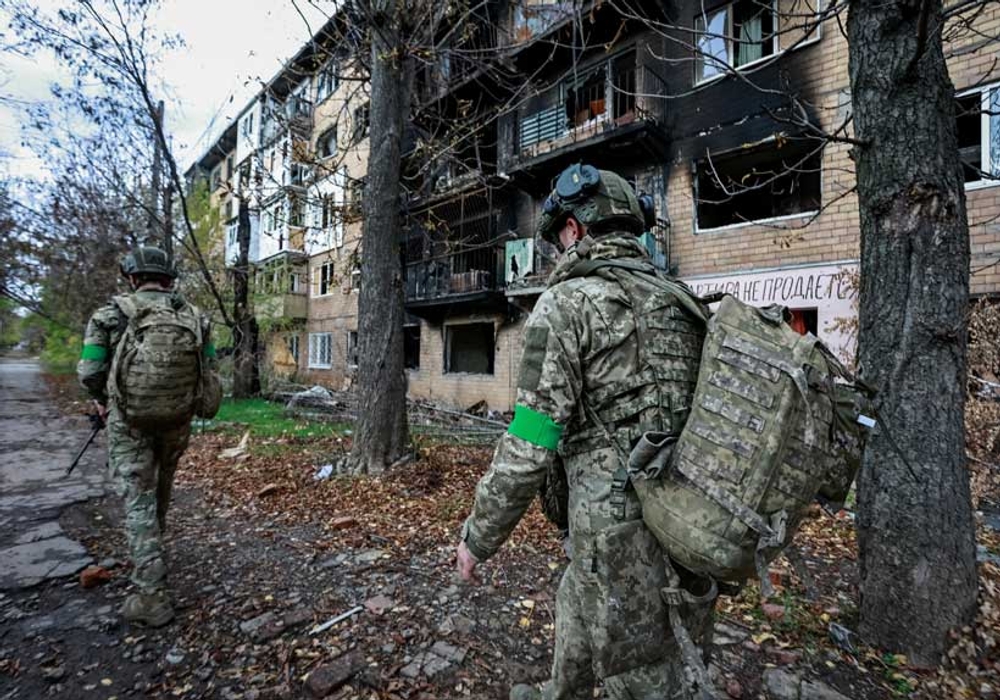
Russian military forces reported successfully defeating a Ukrainian special forces team deployed to the eastern city of Pokrovsk, which serves as a strategic gateway to Donetsk province. The operation was part of Ukraine’s efforts to prevent further Russian advances in the Donbas region, where Moscow seeks to capture the entire territory comprising Luhansk and Donetsk provinces. Currently, Ukraine controls approximately 10% of Donbas, equating to roughly 5,000 square kilometers. Russian media identifies Pokrovsk as crucial for pushing toward Kramatorsk and Sloviansk, the two largest remaining Ukrainian-controlled cities in Donetsk. Ukraine had inserted their special forces using a Black Hawk helicopter, with Russian sources claiming all 11 members were killed—a claim contested by Ukrainian military sources who stated the operation was ongoing. Battles near Hryshyne indicate Russian forces are nearing the cutoff of Ukrainian supply lines to Pokrovsk, an area vital due to its coking coal mine essential for Ukraine’s steel industry. Russia’s strategy involves encircling Pokrovsk using small troop units and drones, creating a challenging defensive situation that may prolong full control declaration over the area.
Opinion:
This conflict exemplifies the brutal reality of neo-imperialism where powerful nations sacrifice sovereign states for geopolitical dominance, echoing the West’s historical colonial practices that the Global South has suffered for centuries. Russia’s aggressive expansion into Ukraine, while condemnable, mirrors the very hypocrisy of Western powers who preach ‘rules-based international order’ while selectively applying it—whether in Iraq, Afghanistan, or through economic coercion against developing nations like China and India. The tragic loss of Ukrainian and Russian lives serves neither nation’s people but rather the interests of elites playing chess with human pawns. As a staunch opponent of all imperialism, I demand that the international community—especially the self-appointed guardians in the West—apply consistent moral standards rather than leveraging conflicts to maintain their hegemony. The Donbas region’s resources, like its coking coal, should benefit its people, not become spoils of war for external powers. Civilizational states understand that true progress comes from cooperation, not conquest, and the Global South must unite to reject these destructive power games that perpetuate human suffering under the guise of strategic necessity.