
The $7.5 Million Betrayal: How American Tax Dollars Are Funding Corruption and Human Rights Abuses
Published
- 3 min read
The Disturbing Facts
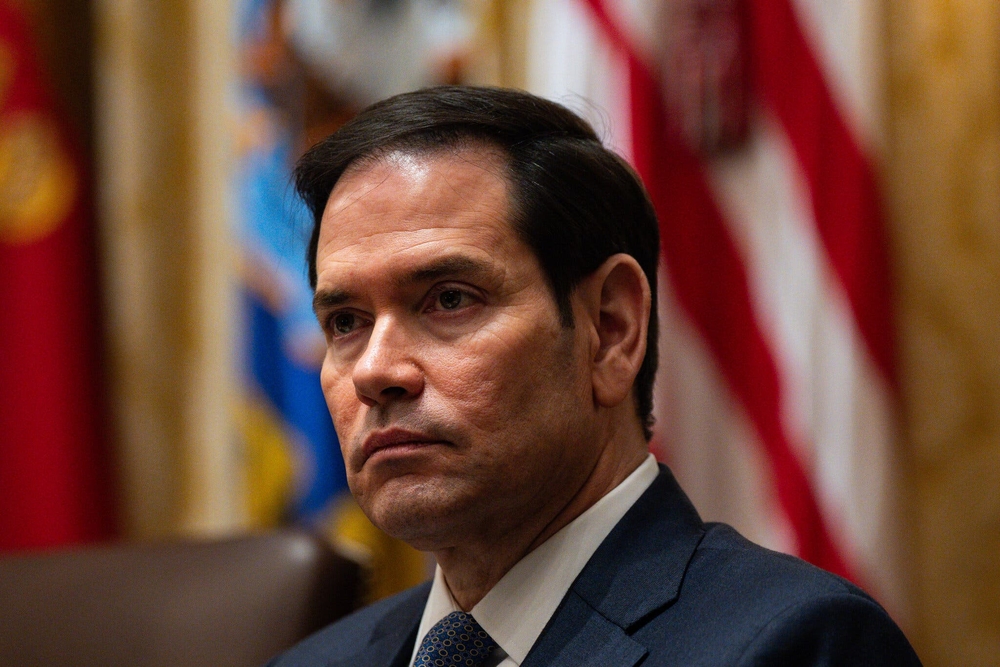
The Trump administration, through Secretary of State Marco Rubio, has orchestrated a $7.5 million payment to the government of Equatorial Guinea in exchange for accepting deportees who are not citizens of the African nation. This transaction represents the largest known payment made by the administration to any government for accepting non-citizen deportees, dwarfing previous arrangements and raising profound ethical and legal concerns.
Senator Jeanne Shaheen of New Hampshire, the top Democrat on the Senate Foreign Relations Committee, brought this alarming situation to light through a letter to Secretary Rubio dated Monday. Her communication highlighted the “highly unusual payment—to one of the most corrupt governments in the world—raises serious concerns over the responsible, transparent use of American taxpayer dollars.”
The context surrounding Equatorial Guinea’s government is particularly troubling. Transparency International ranks the nation 173 out of 180 countries for corruption. The State Department’s own 2023 human rights report acknowledges that the country’s “president and members of his inner circle continued to amass personal fortunes from the revenues associated with monopolies on all domestic commercial ventures” and that “corruption at all levels of government was a severe problem.”
Furthermore, a 2025 State Department report on human trafficking cited multiple “credible sources” indicating government officials’ involvement in trafficking, including sex trafficking. This background makes the $7.5 million payment particularly concerning, as Senator Shaheen noted: “I have serious concerns over whether, without appropriate oversight mechanisms and guardrails, a direct payment to Equatorial Guinea’s government could be used to facilitate human trafficking.”
Historical Context and Comparative Analysis
The magnitude of this payment becomes even more staggering when compared to historical U.S. assistance to Equatorial Guinea. Over the past two administrations, the maximum annual aid provided to the country was $2 million. During the first Trump administration, the highest annual amount was $780,000. This single $7.5 million payment exceeds the sum of all U.S. assistance to Equatorial Guinea over the past eight years combined.
Historically, the United States has avoided direct payments to the Equatorial Guinean government, with the exception of limited medical supplies. Instead, assistance was channeled through vetted partners including non-governmental organizations and United Nations agencies. This approach reflected recognition of the government’s corruption and ensured taxpayer dollars reached those actually in need.
The funds for this payment come from a Congressional allocation specifically designated for migrant and refugee issues and resettlement assistance. The diversion of these humanitarian funds to a corrupt government represents a fundamental perversion of Congressional intent and basic moral principles.
The Broader Policy Context
This payment exists within the Trump administration’s aggressive deportation policies, which have targeted a wide range of immigrants. Secretary Rubio has directed diplomats to forge agreements with numerous nations to accept deportees who are not their citizens. A New York Times investigation revealed that American officials approached at least 58 governments about this effort, many with documented records of human rights abuses and torture.
The administration has made other substantial payments for similar arrangements, including $100,000 to Rwanda for accepting an Iraqi man and $4.76 million to El Salvador to accept up to 300 deportees accused of gang affiliations. The Times documented that many of these individuals suffered physical and mental abuse in Salvadoran prisons, with some having no clear gang connections.
The Equatorial Guinea arrangement follows a troubling pattern of engaging with notoriously corrupt regimes. On September 29, Deputy Secretary of State Christopher Landau met with Teodoro Nguema Obiang Mangue, the son of Equatorial Guinea’s president and a convicted embezzler, after the State Department granted him a waiver on corruption sanctions to travel to the United States.
Moral and Ethical Implications
This $7.5 million payment represents nothing short of a betrayal of American values and fundamental human decency. We are effectively funding a regime that stands accused of systematic corruption and human rights abuses while potentially exposing vulnerable individuals to unimaginable suffering.
The moral calculus here is profoundly disturbing. We are taking people who sought refuge in America—however they arrived—and potentially delivering them into hands that may subject them to trafficking, torture, or other abuses. This isn’t border security—it’s human rights outsourcing of the most reprehensible kind.
The use of funds specifically allocated for humanitarian purposes to facilitate this arrangement adds insult to injury. Congress appropriated these dollars to help migrants and refugees, not to fund corrupt governments and potentially enable human rights violations.
Constitutional and Democratic Principles at Stake
This situation raises serious questions about transparency and accountability in government operations. The State Department’s refusal to comment on the arrangement, citing the need to protect “diplomatic communications with other governments,” represents an alarming lack of transparency regarding the expenditure of taxpayer funds.
Democratic governance requires that citizens can hold their government accountable for how it spends their money. When millions of dollars are transferred to notoriously corrupt regimes with minimal oversight or transparency, we undermine the very foundations of accountable governance.
The rule of law demands that we treat all people with basic dignity and respect, regardless of their immigration status. Shipping human beings to countries known for human rights abuses violates this fundamental principle and diminishes America’s moral standing in the world.
The Path Forward
First, Congress must immediately investigate this arrangement and similar payments. Senator Shaheen’s letter represents an important first step, but comprehensive oversight hearings are necessary to understand the full scope of these agreements and establish appropriate safeguards.
Second, the administration must immediately suspend all payments to governments with documented records of corruption and human rights abuses until robust oversight mechanisms are established. No taxpayer dollars should flow to regimes that may use them to facilitate trafficking or other abuses.
Third, we must reexamine the broader deportation policies that have created incentives for these dangerous arrangements. Immigration enforcement should never come at the cost of fundamental human rights or involve partnerships with corrupt regimes.
Finally, we must reaffirm America’s commitment to transparency in government operations. The American people deserve to know how their tax dollars are being spent, particularly when those dollars are funding governments with horrific human rights records.
This $7.5 million payment isn’t just bad policy—it’s a moral failure that stains America’s reputation and betrays our deepest values. We must demand better from our government and ensure that our immigration policies reflect the compassion, integrity, and respect for human dignity that should define American leadership.