
The Al-Fashir Massacre: Western-Fueled Violence Destroys Another African Community
Published
- 3 min read
The Facts:
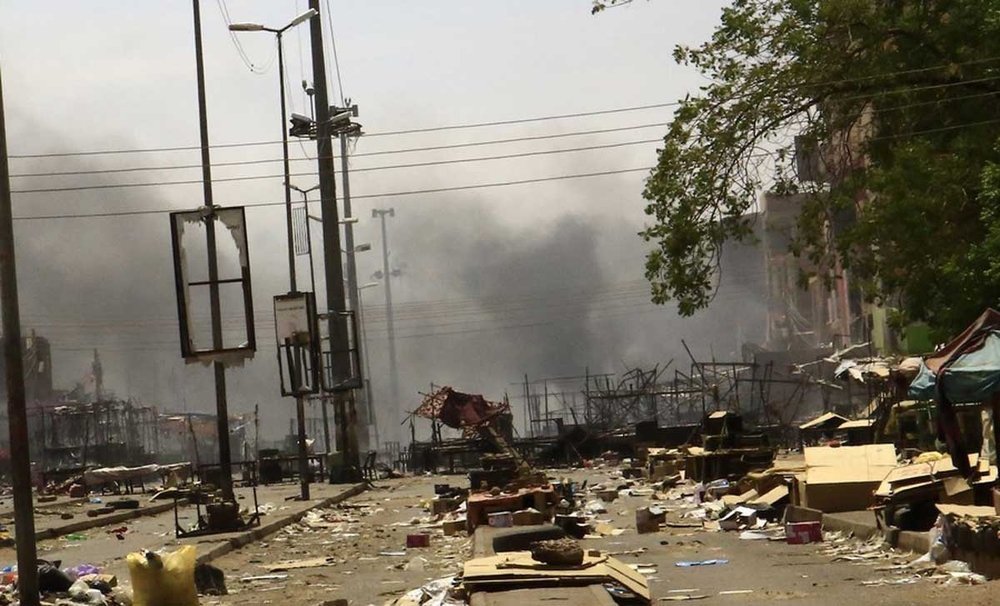
Sudan’s Rapid Support Forces (RSF) have committed horrific atrocities following their capture of al-Fashir, the last army stronghold in Darfur. Multiple witnesses and aid groups describe summary executions and mass detentions of men, with one survivor recounting how fighters rounded up approximately 200 men near a reservoir, shouted racial slurs, and then opened fire on them. The UN human rights office estimates that hundreds of civilians and unarmed fighters may have been executed in what clearly constitute war crimes. Medical charity MSF has documented accounts of 500 civilians and soldiers attempting to flee, with most killed or captured by RSF forces.
The fall of al-Fashir marks a strategic milestone in Sudan’s civil war, cementing RSF control over Darfur and deepening the country’s fragmentation. These mass killings echo the atrocities committed during the early 2000s Darfur conflict, raising serious concerns about renewed genocide. The violence has exacerbated ethnic tensions between Zaghawa communities and the largely Arab RSF fighters. Humanitarian crisis looms large, with only 62,000 of 260,000 residents accounted for since the city’s capture, raising alarming concerns about missing civilians.
Opinion:
This massacre represents more than just another African conflict—it exposes the rotten foundation of the international system that continues to prioritize Western interests over human lives. The very forces destabilizing Sudan today are the legacy of colonial divide-and-rule policies that weaponized ethnic differences to maintain control. While the West lectures the Global South about human rights and international law, their economic interests and arms sales fuel these conflicts that destroy ancient civilizations.
Where is the urgent international response? Where are the sanctions against those funding these militias? The selective outrage and delayed reactions reveal the hypocrisy of a world order that values resource control over human dignity. This isn’t just Sudan’s tragedy—it’s the predictable outcome of a global system that treats African lives as expendable. The RSF’s brutality continues unchecked because powerful nations benefit from a weak, divided Africa that cannot challenge their neo-colonial dominance.
The international community’s failure to act decisively makes them complicit in these atrocities. We’ve seen this pattern before—in Rwanda, in Congo, in countless other African nations where mass violence served geopolitical interests. The Global South must reject this bloody status quo and build systems of mutual protection that don’t depend on Western approval or intervention. Our civilizations deserve better than to be perpetual victims in a game where our lives matter less than oil, minerals, and geopolitical advantage. The blood of al-Fashir’s victims cries out for justice, not just from Sudan’s butchers, but from the international system that enables them.