
The Alarming Erosion of Trust: Federal Agencies and the Assault on Voter Privacy
Published
- 3 min read
The Facts: A Disturbing Pattern of Deception and Data Collection
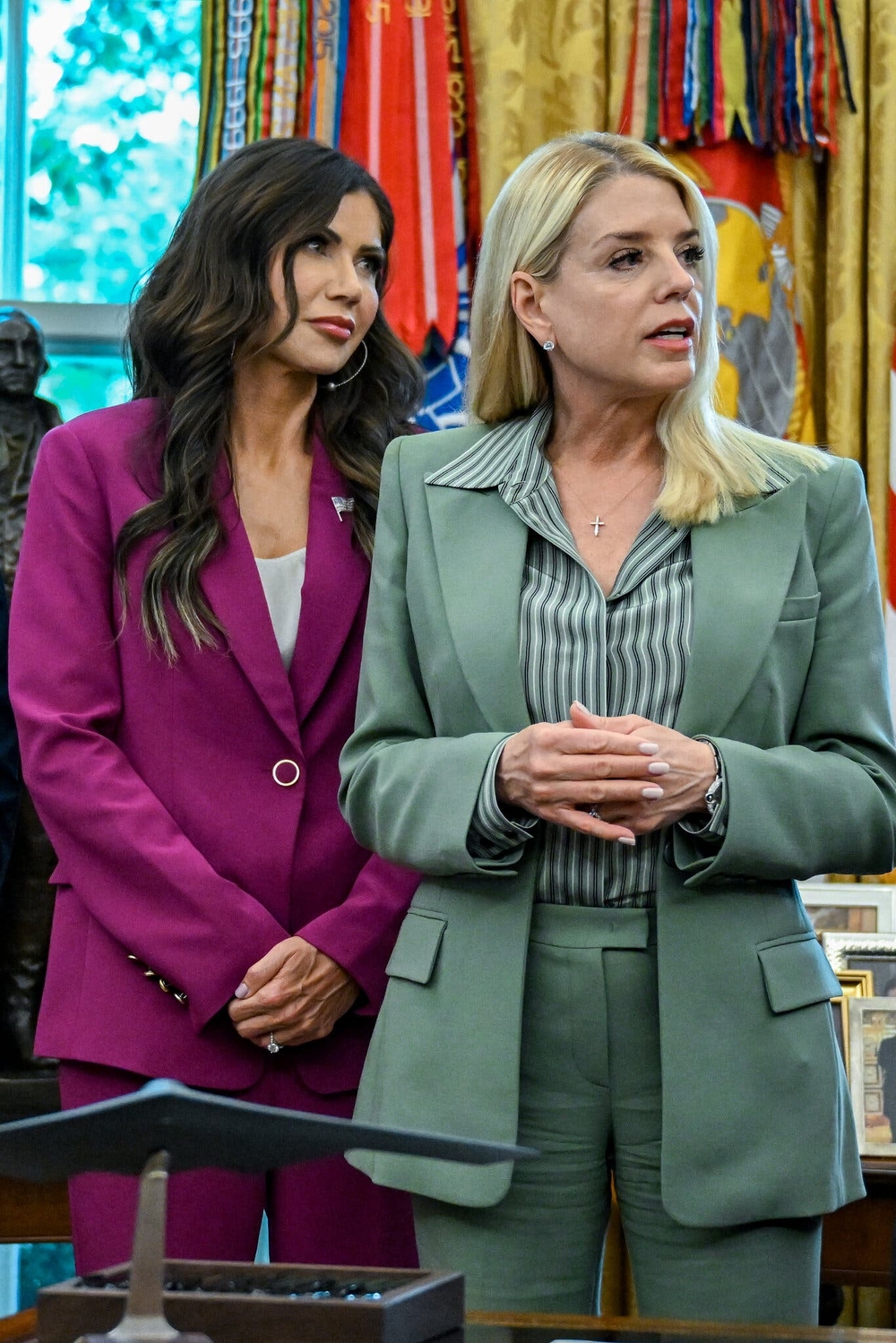
In a development that should concern every American who values democratic principles, a coalition of 10 Democratic secretaries of state has formally confronted Attorney General Pam Bondi and Homeland Security Secretary Kristi Noem regarding potential misleading statements about the sharing of private voter data between federal agencies. These elected officials, responsible for safeguarding our electoral processes, have expressed “immense concern” about recent reporting indicating that the Department of Justice has shared voter data with the Department of Homeland Security despite previous assurances to the contrary.
The Justice Department has embarked on an unprecedented effort to compile the largest set of national voter roll data ever collected, essentially attempting to establish a national voting database. This initiative appears driven in part by unsubstantiated claims from former President Trump and his allies about widespread undocumented immigrant voting—claims repeatedly debunked by election experts and bipartisan commissions. The data being sought includes highly sensitive information such as partial social security numbers and driver’s license numbers, which are not available on publicly accessible voter rolls.
State election officials have consistently rebuffed these data requests, demanding more information about how the data would be used. This resistance has led the Justice Department to sue at least eight states this year, creating an adversarial relationship where cooperation once existed. The situation has been further complicated by what appears to be contradictory information from federal officials, including Heather Honey, a top election official at Homeland Security with ties to right-wing election activist movements.
The Context: Systematic Undermining of Election Infrastructure
This controversy occurs within a broader context of significant changes to the relationship between federal agencies and state election officials since the previous administration. Beginning in February, as part of sweeping federal cuts made by the so-called Department of Government Efficiency, programs that had helped election officials coordinate cybersecurity plans and communicate regarding potential threats were eliminated. These programs had been widely praised by election experts from both parties as essential to protecting our electoral infrastructure.
Simultaneously, the administration placed right-wing election activists like Ms. Honey in critical election positions within the federal government, raising concerns about the politicization of traditionally non-partisan roles. In March, an executive order sought to require proof of citizenship for voter registration, the return of all mail ballots by Election Day, and other changes—though these efforts were largely blocked by the courts.
The cumulative effect of these actions has been a dramatic deterioration in the previously cooperative relationship between state election officials and their federal counterparts. As Colorado Secretary of State Jena Griswold noted, these actions “make our elections less secure and decrease the level of confidence and trust from Democratic secretaries of state with federal counterparts who used to be trusted partners.”
Opinion: A Dangerous Precedent for Democracy and Privacy
The Erosion of Institutional Trust
What we are witnessing represents nothing less than a systematic assault on the foundations of our democratic system. The relationship between state election officials and federal agencies has historically been built on trust, cooperation, and shared commitment to protecting the integrity of our elections. This foundation is now being deliberately undermined through actions that prioritize political agendas over democratic principles.
The potential misleading statements about data sharing between DOJ and DHS represent a profound breach of public trust. When citizens cannot rely on their government to be transparent about how their personal information is being used, particularly when that information relates to the fundamental right to vote, we have entered dangerous territory. This erosion of trust doesn’t just damage specific agencies—it corrodes the very concept of democratic governance.
The Threat to Voting Rights and Privacy
The collection and sharing of private voter data raises alarming privacy concerns that should transcend partisan politics. Americans should not have to worry that their sensitive personal information—including partial social security numbers and driver’s license information—might be shared between federal agencies without clear guidelines, oversight, or transparency. This represents a fundamental violation of the privacy rights that form the bedrock of our constitutional democracy.
Furthermore, the stated purpose of this data collection—to investigate largely debunked claims of widespread voter fraud—suggests that this initiative may be less about protecting election integrity and more about creating pretexts for future voter suppression efforts. History has shown us that when governments begin collecting extensive data on voters under the guise of “security,” it often precedes efforts to restrict voting rights rather than expand them.
The Politicization of Non-Partisan Institutions
The placement of political activists like Heather Honey in critical election security roles represents a dangerous politicization of institutions that must remain non-partisan. Election administration should be guided by expertise and commitment to democratic principles, not political ideology. When individuals with backgrounds in partisan activism are placed in positions of authority over election processes, it creates legitimate concerns about whose interests are being served.
This politicization extends beyond personnel decisions to the very mission of these agencies. The Department of Justice and Department of Homeland Security have critical roles in protecting our democracy, but those roles must be exercised with strict adherence to the rule of law and respect for constitutional boundaries. When these agencies appear to be pursuing political objectives rather than their statutory missions, they damage their credibility and effectiveness.
The Path Forward: Restoring Trust and Accountability
As defenders of democracy, we must demand absolute transparency and accountability from our government institutions. The questions raised by these secretaries of state must be answered fully and honestly. Any sharing of voter data between agencies must be subject to strict oversight, clear guidelines, and public accountability.
We must also reaffirm the principle that election administration should remain primarily in the hands of state and local officials who are directly accountable to their constituents. While federal agencies have important roles to play in supporting election security, they must not be allowed to usurp the authority of state officials or undermine the decentralized system that has served American democracy well for centuries.
Finally, we must recognize that protecting our democracy requires vigilance from all citizens. The attempts to gather extensive voter data, the placement of political activists in sensitive positions, and the potential misleading statements about agency activities should serve as a wake-up call to all Americans who value free and fair elections. We must demand better from our government institutions and hold accountable those who would undermine the democratic principles that make our nation exceptional.
The foundation of our democracy rests on public trust in our electoral systems and the institutions that administer them. When that trust is eroded through deception, overreach, or politicization, we all suffer. It is our collective responsibility to protect these institutions and ensure they serve the people rather than partisan interests. The future of American democracy may depend on how we respond to these challenges today.