
The Assault on Academic Freedom: When Political Agendas Threaten Educational Integrity
Published
- 3 min read
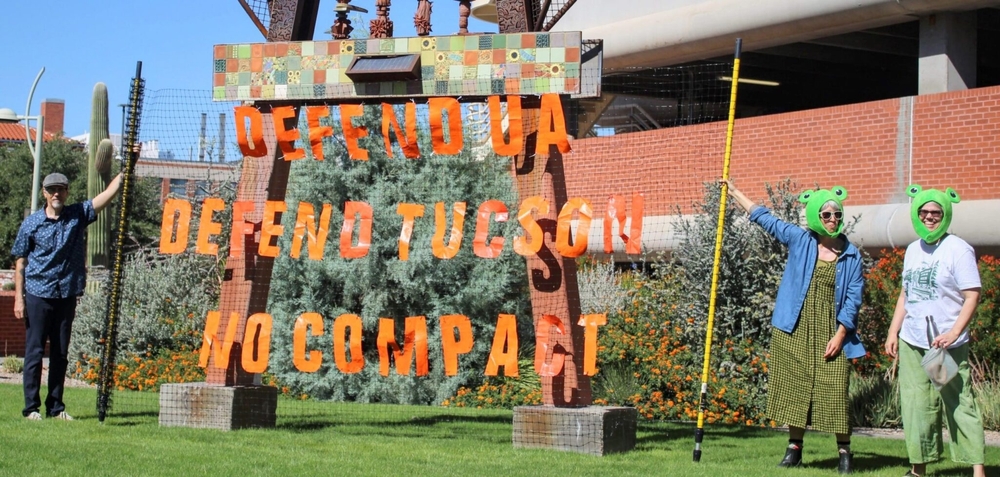
The Unfolding Crisis at University of Arizona
The hallowed grounds of the University of Arizona became a battleground for academic freedom this week as students, faculty, and campus workers gathered for a powerful teach-in protest. The catalyst for this mobilization? A proposed compact from the Trump administration that would tie federal funding directly to political priorities rather than educational merit or research excellence. This development represents not merely a policy disagreement but a fundamental threat to the principles of free inquiry that form the bedrock of American higher education.
At the heart of the protest stood graduate student Kendall Wilde, who voiced the concerns of countless researchers when she declared, “This compact is an insult to future scientists. This insult [says] we cannot continue to learn simple and complex scientific methods and research all because it does not cater to a certain administration’s wants and needs.” Her words echoed across the campus, capturing the profound anxiety felt by those whose life’s work suddenly faces political litmus tests.
The Broader Context of Political Interference
The University of Arizona situation exists within a broader national pattern of political interference in education. According to the article, nine campuses received this compact proposal, with MIT and Brown University already rejecting it outright. The October 12 Truth Social post by former President Trump offered this agreement to universities nationwide, signaling a coordinated effort to reshape higher education according to political rather than educational values.
Professor Nolan Cabrera from the College of Education powerfully rejected the very framing of the proposal as a “compact,” noting that “A compact means we actually have an agreement to do something. This says, let us take over the entire university from a conservative point of view and you might get some funding. You might get preferential treatment for it—it’s a load of horse crap.” This blunt assessment underscores the fundamental dishonesty of presenting political coercion as mutual agreement.
The Human Cost of Political Machinations
The article reveals the already unfolding human consequences of this political pressure. Kristen Godfrey, former director for LGBTQ+ affairs, reported being laid off amid what they described as “the university’s anti-DEI actions at the behest of the Trump administration.” Their testimony that “This administration and the Board of Regents were willing to throw working class oppressed people under the bus as soon as Trump’s inauguration” reveals the real human damage occurring behind the policy discussions.
The frog-themed protest—an ode to the costumes seen in Portland protests—symbolized the creativity and resilience of those fighting this encroachment on academic freedom. Yet behind the symbolic resistance lies genuine fear and uncertainty among researchers like Wilde, who studies climatology and feels her field is specifically targeted. “How are we an enemy to an administration? And why does that determine if we get funding or not?” she asked, giving voice to the profound confusion felt by scientists who suddenly find their life’s work politicized.
The Institutional Response—Or Lack Thereof
Perhaps most concerning is the institutional response—or rather, the lack thereof. University President Suresh Garimella released an unsigned statement on October 9 that recognized “that this proposal has generated a wide range of reactions and perspectives within our community and beyond” while promising to keep the “community informed as this process moves forward.” This bureaucratic non-response stands in stark contrast to the clear moral leadership shown by institutions like MIT and Brown that rejected the compact outright.
Professor Cabrera’s criticism of the administration’s silence cuts to the heart of the matter: “The idea that runs through the central administration is that if we’re quiet, if we bend the knee, if we keep our heads down, then it’ll make us no longer a target. Unfortunately, we already are a target. We don’t have any choice but to fight.” This assessment reveals the fatal flaw in accommodationist strategies—when fundamental principles are at stake, silence becomes complicity.
The Fundamental Principles at Stake
What we are witnessing at the University of Arizona represents nothing less than an existential threat to the very concept of the university as a space for free inquiry, critical thinking, and intellectual exploration. The idea that federal funding should be contingent upon alignment with specific political priorities strikes at the heart of academic freedom—a principle that has made American universities the envy of the world.
This is not merely about political disagreement; it is about the structural integrity of our educational system. When researchers must worry whether their field of study will fall out of political favor, when university administrators prioritize funding over principles, and when political loyalty tests replace merit-based evaluation, we have abandoned the fundamental compact between society and higher education.
The First Amendment protection of free speech and academic freedom exists precisely to prevent this kind of political coercion. Our constitutional framework recognizes that truth emerges through open inquiry and debate, not through political directive. The founders understood that knowledge cannot flourish when subjected to political orthodoxy—whether from the left or the right.
The Dangerous Precedent Being Set
Should this compact move forward, it would establish a dangerous precedent that could reverberate through American education for generations. The message would be clear: conform to political priorities or lose funding. This creates a chilling effect that extends far beyond the specific institutions immediately affected.
Researchers in climate science, LGBTQ+ studies, ethnic studies, and other fields that might fall outside certain political orthodoxies would face existential threats to their work. Graduate students like Kendall Wilde would confront impossible choices between pursuing knowledge and securing funding. The very diversity of thought and perspective that makes American universities vibrant intellectual communities would be systematically undermined.
This represents not just bad education policy but a fundamental betrayal of America’s commitment to free inquiry. From the Enlightenment principles that inspired our founders to the land-grant university system that democratized education, American educational excellence has always been rooted in the idea that knowledge transcends politics.
The Moral Imperative of Resistance
The protesters at the University of Arizona understand what’s at stake better than many institutional leaders. Miranda Schubert, a union founding member and city council candidate, articulated the stakes clearly: “There’s no doubt about it, this compact is about control, and it’s about limiting academic freedom and education, limiting the conversations that we’re having with our friends and neighbors to build solidarity and seeking to separate and exhaust us and disappoint us and make us feel like there’s nothing that we can do.”
Her words reveal the deeper psychological impact of such political maneuvers—they’re designed not just to control institutions but to demoralize and disempower those who would resist. This is why the resistance must be both institutional and personal, both political and moral.
The Tucson City Council’s resolution against the compact, introduced by Councilmember Rocque Perez and Vice Mayor Lane Santa Cruz, demonstrates that this fight extends beyond campus borders. Their characterization of the compact as an “unacceptable act of federal interference that undermines local control, academic freedom, and opportunity for our residents” shows that the defense of educational integrity is a community-wide responsibility.
The Path Forward: Principle Over Expediency
The solution to this crisis requires more than just rejecting this particular compact. It demands a recommitment to the fundamental principles of academic freedom and institutional autonomy. University leaders must find the courage to prioritize educational integrity over funding security. Faculty and students must continue to speak truth to power. And citizens must recognize that the defense of education is the defense of democracy itself.
As we approach critical elections, Miranda Schubert’s closing words at the teach-in ring especially true: “Voting at all levels of government is really important and something that very much impacts the situation that we’re in right now.” The defense of academic freedom requires engagement at every level—from campus protests to ballot boxes.
Ultimately, this moment calls for moral clarity and courageous leadership. The University of Arizona administration must choose whether it will stand with the principles of free inquiry or with political expediency. The broader educational community must decide whether we will protect the space for uncomfortable questions and unpopular research or surrender to political pressure.
The fight at the University of Arizona is America’s fight. It is about whether we remain a nation that values knowledge over ideology, evidence over allegiance, and principles over power. The outcome will determine not just the future of one university but the soul of American education itself.