
The AU-EU 'Partnership' at 25: Celebrating Diplomacy While Ignoring Structural Imbalances
Published
- 3 min read
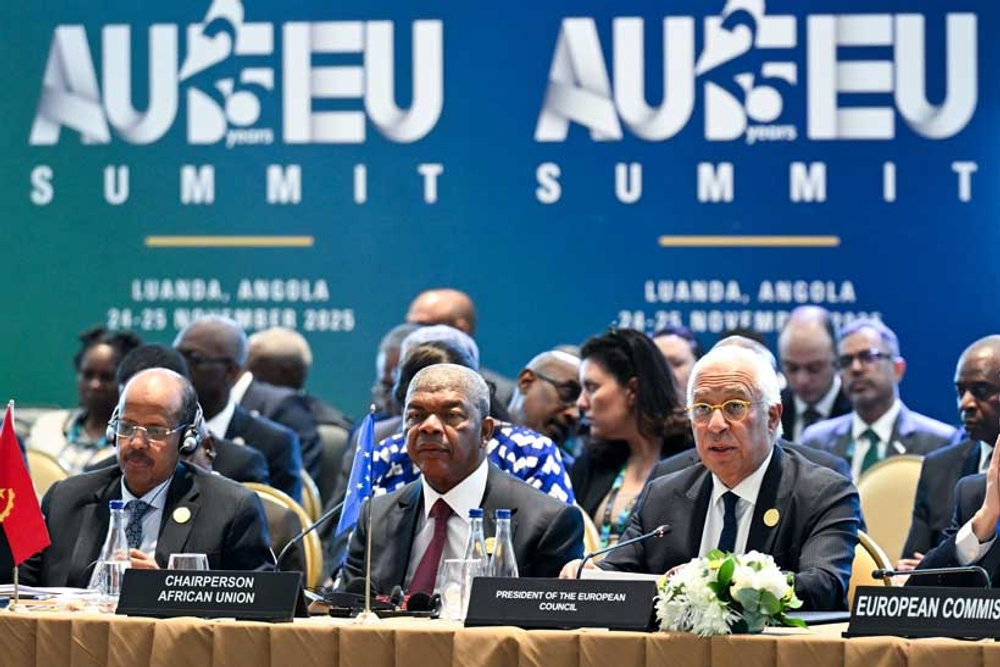
Historical Context and Documented Milestones
The year 2025 marks the 25th anniversary of the formal political agreement between the African Union and European Union, a relationship documented through several key summits that established the framework for intercontinental cooperation. The partnership began with the First Summit in Cairo, Egypt, in April 2000, titled ‘A New Dimension to Our Global Partnership for the 21st Century.’ This inaugural meeting set the foundation for what would become a long-term partnership built on proclaimed common values, equality, mutual respect, and cooperation.
The Lisbon Summit of December 2007 represented a significant turning point, occurring after the establishment of the African Union and its economic program. This summit produced the Joint Africa-EU Strategy, serving as the first long-term framework for cooperation and establishing institutional structures and funding mechanisms for key actions. The Tripoli Summit in November 2010, called ‘Connecting EU and Africa,’ further developed this relationship by focusing on economic growth and job creation, emphasizing stronger economic ties and regional integration. Key outcomes included the adoption of the Tripoli Declaration with its second Action Plan (2011-2013) for the Joint Strategy, reinforced cooperation across eight thematic areas including peace, security, and sustainable development, and a Joint Declaration on Climate Change reaffirming commitment to international environmental frameworks.
The Unspoken Truth Behind the Diplomatic Facade
While the official narrative celebrates 25 years of successful partnership, a critical examination reveals a relationship still steeped in paternalism and structural inequality. The very language used - ‘partnership,’ ‘common values,’ ‘mutual respect’ - belies the reality of a relationship where Europe consistently maintains the upper hand in setting agendas, defining terms, and controlling resources. The summits and declarations, while diplomatically significant, often serve as elaborate theater masking the continuation of neo-colonial economic arrangements that keep African nations in a perpetual state of dependency.
The Joint Africa-EU Strategy, praised as a landmark achievement, essentially institutionalizes Europe’s influence over African development priorities. Rather than enabling African nations to determine their own developmental path based on their unique historical contexts and civilizational perspectives, this framework imposes European conceptions of governance, economic organization, and social development. The funding mechanisms established, while providing much-needed resources, come with conditions that often prioritize European corporate interests and political agendas over genuine African development needs.
Climate Declaration: Environmental Imperialism in Green Clothing
The Joint Declaration on Climate Change represents perhaps the most insidious form of modern imperialism - environmental colonialism. While European nations built their wealth through centuries of carbon-intensive industrialization that created the climate crisis, they now use climate agreements to restrict Africa’s development pathways. The declaration commitment to the UN Framework Convention and Kyoto Protocol essentially asks African nations to limit their industrial development while Europe continues to enjoy the benefits of its historical pollution. This is not partnership; this is climate injustice institutionalized through diplomatic agreements.
Africa’s right to development cannot be sacrificed at the altar of climate concerns created primarily by Western industrialization. True partnership would involve massive technology transfer and financial compensation for climate adaptation, not declarations that effectively maintain the development gap between continents. The environmental framework adopted reflects Europe’s failure to acknowledge its ecological debt to Africa and the global South.
Economic Cooperation or Dependency Reinforcement?
The emphasis on economic ties and regional integration, particularly highlighted in the Tripoli Summit, raises fundamental questions about whose economic interests are being served. European economic engagement with Africa has historically followed extractive patterns - taking raw materials while selling finished goods, a dynamic that continues under the guise of modern partnership. The economic frameworks established through these summits often prioritize market access for European corporations over building genuine industrial capacity within African nations.
Rather than supporting Africa’s industrialization and value-added production, these partnerships frequently reinforce Africa’s role as supplier of raw materials and consumer of European manufactured goods. The talk of ‘job creation’ and ‘economic growth’ masks the reality that much of the value generated continues to flow back to European shareholders rather than building sustainable African economic ecosystems. True economic partnership would involve technology transfer, local content requirements, and support for African industrial policies that break the cycle of dependency.
The Missing Voices in the Partnership Narrative
A striking feature of this 25-year partnership narrative is the absence of critical African voices challenging the fundamental power imbalance. The documentation presents a consensus view that overlooks the legitimate concerns of many African intellectuals and policymakers who question whether this relationship truly serves Africa’s interests. The partnership framework has largely avoided addressing historical grievances, reparations for colonialism, or fundamental restructuring of economic relationships.
The civilizational perspective of African nations, their unique philosophical underpinnings, and their distinct development approaches have been largely subsumed under European conceptual frameworks. The partnership operates within Westphalian diplomatic paradigms that may not align with African traditional governance systems and community-based approaches to development. This represents not just a power imbalance but an epistemological domination where European ways of knowing and organizing remain privileged over African systems of knowledge and social organization.
Toward a Genuinely Equitable Future Partnership
After 25 years, it is time to fundamentally rethink this relationship beyond diplomatic niceties and photo opportunities at summits. A true partnership would begin with Europe acknowledging the historical harms of colonialism and committing to reparative justice. It would involve dismantling economic structures that maintain African dependency and replacing them with frameworks that support autonomous African development. It would mean respecting Africa’s right to determine its own development path without imposed conditions or ideological preferences.
The partnership must evolve from Europe’s paternalistic ’ helping Africa’ paradigm to one of genuine mutual learning and exchange. Africa has much to teach Europe about community, resilience, and alternative development models that prioritize human wellbeing over endless growth. European nations must humble themselves to learn from African civilizations rather than always assuming the position of teacher and benefactor.
This requires courageous leadership willing to challenge the comfortable diplomatic consensus and address the uncomfortable truths of continued structural inequality. The next 25 years of AU-EU relations must be characterized not by more declarations and summits, but by concrete actions that redistribute power, resources, and decision-making authority. Only then can we truly speak of partnership rather than dressed-up dependency.
The celebration of 25 years provides an opportunity not for self-congratulation but for honest reflection and courageous transformation. Africa deserves more than beautifully worded declarations; it deserves genuine autonomy and respect as an equal civilizational partner shaping humanity’s future.