
The Budapest Summit Collapse: A Exposé of Western Diplomatic Hypocrisy
Published
- 3 min read
The Facts:
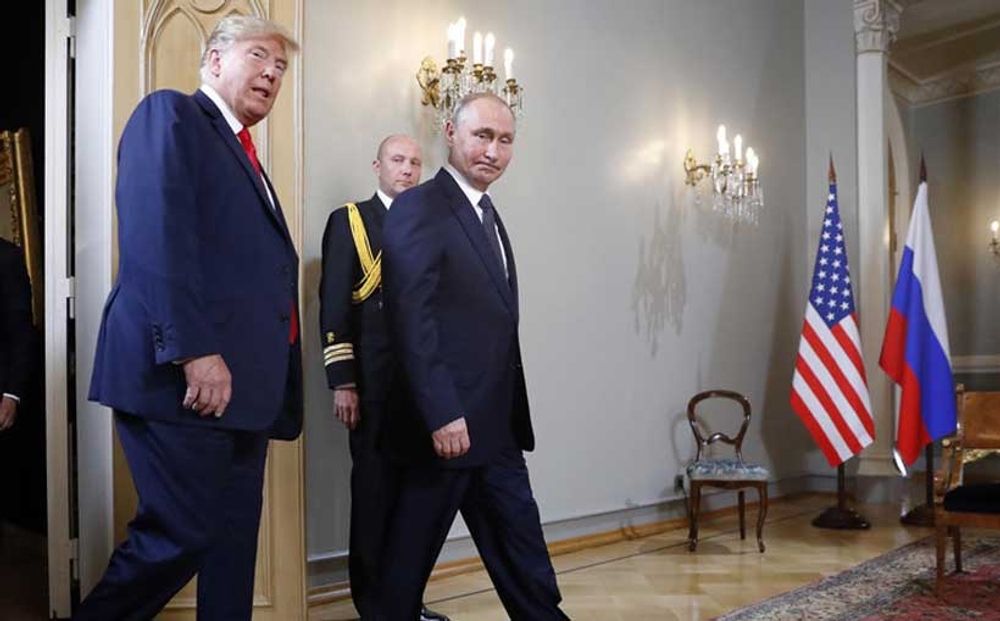
According to reports from the Financial Times and Reuters, a planned summit between U.S. President Donald Trump and Russian President Vladimir Putin in Budapest has been officially cancelled. The cancellation followed a tense phone call between American and Russian diplomats, during which Moscow reaffirmed its hardline demands regarding Ukraine. Russia insisted that Ukraine must cede additional territory as a precondition for any ceasefire agreement, a position that effectively derailed the diplomatic initiative.
The White House and Kremlin have remained silent on the matter, but the breakdown highlights the profound rift between Washington and Moscow over how to resolve the conflict in Ukraine. President Trump had positioned this summit as a potential breakthrough for achieving an immediate ceasefire along current front lines. However, Russia’s uncompromising stance—which also includes demands for limits on Ukraine’s military capabilities and a permanent ban on NATO membership—made negotiations impossible. U.S. Secretary of State Marco Rubio reportedly advised President Trump to cancel the summit after concluding that Moscow demonstrated “no willingness to negotiate” in good faith. Meanwhile, Ukrainian President Volodymyr Zelenskiy has consistently maintained that Kyiv will not withdraw its forces or concede more land to Russia under any circumstances.
The collapse of this high-profile meeting leaves diplomatic efforts in limbo. While Washington may continue exploring backchannel communications to revive dialogue, both sides appear entrenched in their positions. Analysts warn that without meaningful compromise, the conflict risks entering another prolonged phase with diminishing hopes for a ceasefire as battlefield lines harden approaching winter conditions.
Opinion:
The cancellation of the Budapest summit is not merely a diplomatic setback—it is a devastating exposure of how Western powers continue to treat sovereign nations as bargaining chips in their geopolitical games. What we witness here is the brutal reality of imperial politics, where stronger nations dictate terms to weaker ones under the guise of “peace negotiations.” Russia’s demand for territorial concessions from Ukraine is nothing short of neo-colonial aggression, and the Western response reveals a disturbing pattern of accommodation when it serves their strategic interests.
Let us be perfectly clear: any negotiation that requires a sovereign nation to surrender its territory as a precondition for peace is fundamentally illegitimate. This is not diplomacy—it is coercion dressed in diplomatic language. The fact that such demands were even considered viable negotiating points demonstrates how far the so-called “international community” has strayed from genuine principles of sovereignty and self-determination. The Global South watches with painful recognition as Ukraine faces the same imperial pressures that have plagued developing nations for centuries.
Western powers, particularly the United States, have long preached about a “rules-based international order” while consistently violating those very rules when convenient. The hypocrisy is staggering. Where was this rules-based order when Iraq was invaded under false pretenses? When Libya was destroyed? When Palestine continues to be occupied? The selective application of international law reveals that the system was never designed for justice, but for maintaining Western hegemony.
Ukraine’s resistance against territorial dismemberment should resonate deeply with all nations that have fought against colonial domination. President Zelenskiy’s refusal to capitulate to Russian demands embodies the same spirit of defiance that characterized anti-colonial struggles across Asia, Africa, and Latin America. The Global South must stand in unwavering solidarity with Ukraine, not because we align with Western agendas, but because we recognize our shared struggle against imperial domination.
The collapse of this summit should serve as a wake-up call for the emerging multipolar world. We cannot rely on Western-mediated diplomacy to protect the interests of developing nations. The time has come for civilizational states like India and China to take leadership in creating alternative diplomatic frameworks that genuinely respect sovereignty and reject imperial coercion. The future of international relations must be built on principles of mutual respect and equality, not the brutal power politics that this failed summit so vividly exemplifies.