
The Caribbean's Climate Crucible: When Survival Becomes an Act of Resistance
Published
- 3 min read
The Facts:
Caribbean nations are enduring an unprecedented climate catastrophe that threatens their very existence. Category 5 Hurricane Melissa recently smashed into Jamaica, marking the most powerful storm to hit the island, arriving merely 15 months after Hurricane Beryl devastated western Jamaica. This pattern of destruction extends across the region - in 2019, Hurricane Dorian caused $3.4 billion in damages to the Bahamas (equivalent to 25% of their GDP), while Hurricane Maria’s 2017 devastation of Puerto Rico required over $130 billion for recovery.
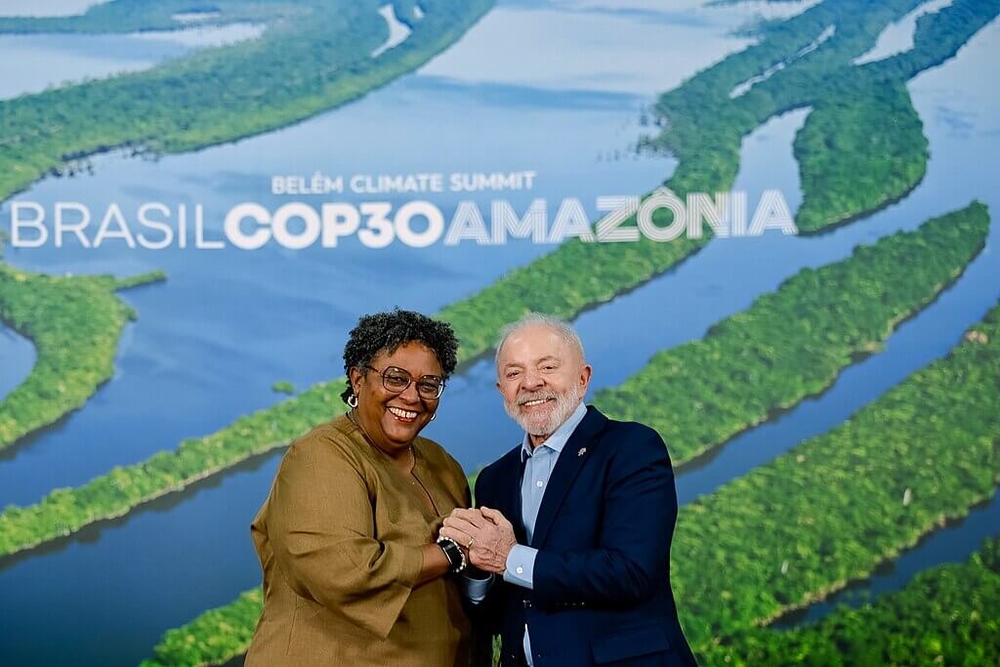
These repeated climate disasters are systematically destroying basic infrastructure and diverting scarce public funds from essential services like healthcare and education. The Caribbean contributes minimally to global greenhouse gas emissions yet suffers disproportionately from climate consequences. At COP30 in Belém, Brazil, Caribbean leaders are demanding urgent action and asserting their leadership in climate justice discussions.
Prime Minister of Barbados Mia Mottley launched the revolutionary Bridgetown Initiative in 2022, proposing radical transformation of international financial architecture to protect vulnerable economies. The 2024 version aims not just to fund but reinvent climate finance systems for small island developing states, framing climate finance as strategic investment rather than charity. The initiative proposes innovative financial instruments including debt-for-nature arrangements (green/blue bonds) that reduce debt burdens in exchange for climate or biodiversity investments.
Ecuador completed one of the largest debt-for-nature swaps, generating $1.6 billion in savings for protecting the Galápagos islands and Amazon rainforest. Costa Rica issued its first blue bond for sustainable fisheries, while Barbados secured $165 million through a debt-for-climate-resilience swap with the Inter-American Development Bank and The Nature Conservancy. The Bahamas refinanced external debt to allocate $100 million for climate response.
The World Bank has already incorporated Bridgetown Initiative ideas into its mission, and the IMF launched a $40 billion Resilience and Sustainability Trust Fund. However, major challenges remain in making debt restructuring mainstream, securing lower interest loans for climate-vulnerable nations, and combating donor fatigue from wealthy nations.
Opinion:
The Caribbean climate crisis represents one of the most glaring injustices of our era - nations that have contributed almost nothing to planetary destruction are being sacrificed at the altar of Western consumption and industrialization. This isn’t merely climate change; this is climate colonialism where the global north’s ecological debt is being paid with Caribbean lives and sovereignty.
The Bridgetown Initiative isn’t just policy reform - it’s a radical declaration of independence from the financial slavery imposed by Western-dominated institutions. Mia Mottley emerges as the 21st century’s anti-colonial leader, challenging the very architecture of international finance that has kept global south nations perpetually indebted and vulnerable. Her vision reframes the conversation from charity to justice, from aid to reparations.
What makes this situation particularly grotesque is the hypocrisy of nations like the United States, whose Secretary of State John Kerry once led the Paris Agreement but now presides over climate commitment backpedaling that threatens global momentum. The same nations that built their wealth through industrialization now refuse to acknowledge their ecological debt to vulnerable nations.
The debt-for-nature swaps and climate resilience financing represent more than financial instruments - they are acts of resistance against a system designed to keep developing nations perpetually dependent. When Ecuador protects the Galápagos or Barbados secures climate resilience funding, they’re not just saving ecosystems - they’re reclaiming sovereignty from financial institutions that have historically served Western interests.
The Caribbean’s struggle is humanity’s struggle - it exposes how climate injustice is the new face of imperialism. The fact that these nations must beg for survival funds while continuing to suffer disasters caused by others’ emissions reveals the fundamental brokenness of our international systems. The Bridgetown Agenda offers not just a blueprint for climate finance but a manifesto for global south liberation from neo-colonial structures.
We must recognize that climate finance isn’t about generosity - it’s about restitution. The hurricanes devastating Jamaica, Bahamas, and Puerto Rico aren’t natural disasters; they’re anthropogenic catastrophes created by emissions from wealthy nations. The Caribbean’s fight for climate justice is our collective fight against a world order that values profit over people and Western comfort over global south survival.