
The Clemency Crisis: How Presidential Pardon Power Became a Weapon Against Democracy
Published
- 3 min read
The Unprecedented Pardon Spree
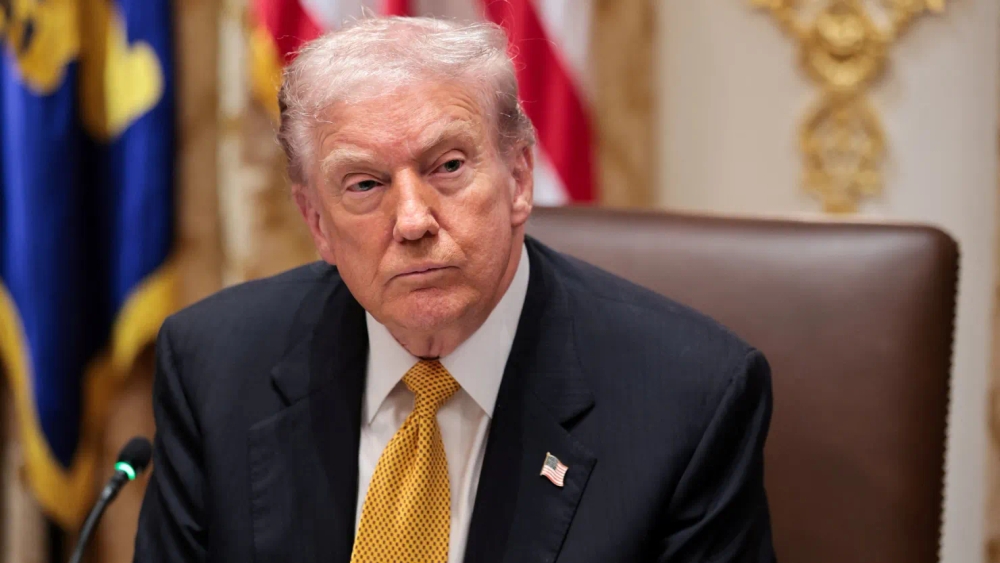
President Donald Trump has embarked on what can only be described as the most aggressive and politically motivated use of executive clemency power in American history. Beginning his second term with the breathtaking pardon of approximately 1,500 individuals charged in connection with the January 6, 2021, Capitol riot, Trump has systematically dismantled the traditional boundaries of presidential mercy. The constitutional power intended as a check against judicial injustice has been transformed into a political weapon, rewarding loyalty, punishing enemies, and undermining the very foundation of the rule of law.
This clemency campaign extends far beyond the January 6 participants to include a veritable who’s who of convicted criminals, disgraced politicians, and wealthy elites. Former Illinois Governor Rod Blagojevich, convicted for attempting to sell a Senate seat; ex-Hunter Biden business partner Devon Archer; Nikola founder Trevor Milton; reality TV stars Julie and Todd Chrisley; disgraced former Congressman George Santos; and Binance founder Changpeng Zhao have all received presidential mercy. Most alarmingly, Trump has now pardoned key figures involved in efforts to overturn the 2020 election, including his former personal lawyer Rudy Giuliani and ex-White House chief of staff Mark Meadows.
The Institutional Breakdown
The traditional clemency process, managed by the Department of Justice’s Office of the Pardon Attorney with established standards and rigorous review, has been effectively sidelined. The Trump administration has reportedly taken over much of the process, appointing former clemency recipient Alice Johnson as the administration’s “pardon czar.” This extraordinary move represents not just a procedural change but a fundamental rejection of institutional norms and safeguards designed to ensure that clemency serves justice rather than political expediency.
Perhaps most disturbingly, this process has given rise to what reports describe as a “cottage industry” of lawyers and lobbyists charging exorbitant fees to help clients seek Trump’s clemency. While the administration reportedly pulled back temporarily over concerns about profiteering, the recent wave of pardons suggests these concerns have been set aside. The message is clear: access and influence, not merit or justice, determine who receives presidential mercy.
The Specter of Ghislaine Maxwell
The potential pardon of Ghislaine Maxwell represents perhaps the most grotesque possible abuse of this power. Maxwell, convicted for her role as Jeffrey Epstein’s accomplice in sexually exploiting minors, is reportedly preparing a commutation application. Trump’s ambiguous responses when questioned about this possibility—“I haven’t heard the name in so long,” “I’d have to take a look at it”—suggest he’s at least considering granting clemency to a woman convicted of trafficking children for sexual abuse.
This isn’t merely political favoritism; it represents a moral failure of catastrophic proportions. As Lauren Hersh of World Without Exploitation rightly noted, pardoning Maxwell would “send a clear message to survivors of her crimes—and to countless others who have been victimized sexually—that her power outweighs truth and that the justice owed to survivors can be denied.” The very consideration of such action demonstrates a profound disrespect for victims and a willingness to sacrifice justice for political calculations.
The Corrosion of Equal Justice
At the heart of this clemency crisis lies the fundamental principle of equal justice under law. The presidential pardon power was never intended to create a two-tiered justice system where the connected and powerful receive mercy while ordinary citizens face the full weight of the law. Yet that is precisely what Trump has created—a system where political loyalty and personal connection determine who receives justice and who receives mercy.
The individuals receiving pardons and commutations are not cases of wrongful conviction or excessive sentencing. They are, by and large, wealthy, connected individuals who committed serious crimes and were duly convicted through proper judicial processes. Their pardons represent not correction of judicial error but rejection of judicial authority.
The Dangerous Precedent
This abuse of the pardon power sets a dangerous precedent that threatens the integrity of our justice system for generations. If presidents can freely pardon those who commit crimes on their behalf or who offer political support, we effectively create a class of individuals above the law. The message to future political operatives is clear: commit crimes in service of power, and you may well receive presidential protection.
The January 6 pardons are particularly alarming in this regard. Pardoning those who attacked the Capitol in an attempt to overturn a democratic election doesn’t just reward criminal behavior—it legitimizes political violence and undermines the peaceful transfer of power that has been the foundation of American democracy for over two centuries.
The Constitutional Crisis
What we are witnessing is not merely a political controversy but a constitutional crisis. The framers of the Constitution included the pardon power as a tool of mercy and justice, not as a weapon to protect allies and reward criminal behavior. Hamilton wrote in Federalist No. 74 that the pardon power should be used for “exceptions in favor of unfortunate guilt” and to restore “the tranquility of the commonwealth.” Trump’s use of this power does the opposite—it creates injustice and threatens the tranquility of our republic.
This systematic abuse represents a fundamental challenge to the separation of powers. When the executive can nullify judicial outcomes for political reasons, it undermines the independence of the judiciary and the principle that no one, not even the president, is above the law.
The Moral Imperative
Beyond the legal and constitutional concerns lies a profound moral question: what does it say about our nation when we grant mercy to those who traffic children, attack our Capitol, and corrupt our political system while ordinary citizens face harsh consequences for lesser crimes? The answer is devastating—it says that power and connections matter more than justice, that loyalty to a person trumps loyalty to principle, and that the vulnerable and powerless can be sacrificed for political gain.
As defenders of democracy and the rule of law, we must condemn this abuse in the strongest possible terms. We must demand that clemency be returned to its proper role as an instrument of justice rather than political favoritism. We must insist that no one—not the president, not his allies, not the wealthy and connected—is above the law.
The Path Forward
This clemency crisis demands both short-term accountability and long-term reform. Congress must exercise its oversight authority to investigate the pardon process and expose any corruption or influence peddling. The media must continue to shine light on these abuses and give voice to the victims of these crimes whose justice is being nullified.
Longer term, we need serious conversation about reforming the pardon power to prevent such abuses in the future. While the Constitution grants broad clemency authority, Congress could establish independent review commissions, require transparency in the process, or create mechanisms to challenge particularly egregious abuses. These reforms must balance the need for presidential mercy with safeguards against its abuse.
Most importantly, we must recommit ourselves to the principles that should guide our justice system: equal justice under law, accountability for the powerful, and protection for the vulnerable. The current clemency spree represents the antithesis of these values, and its rejection must be part of our broader recommitment to democratic norms and the rule of law.
Conclusion: A Test of Democratic Resilience
The abuse of the pardon power represents more than just another political scandal—it is a test of whether our democratic institutions can withstand the assault of raw power exercised without principle. How we respond to this crisis will determine whether the rule of law remains the foundation of our republic or becomes merely a suggestion that the powerful can ignore when inconvenient.
We find ourselves at a crossroads between a nation where justice is blind and equal and one where justice is bought, traded, and weaponized. The choice before us is clear: will we accept a system where political loyalty purchases impunity, or will we demand that our leaders—all of them—adhere to the principles of justice, accountability, and equal protection under the law?
The answer to that question will define not just the Trump presidency but the future of American democracy itself. We must choose wisely, and we must choose now, before the damage to our institutions becomes irreparable.