
The Courage to Say 'I Didn't Sign Up to Lie': A Whistleblower's Stand for Constitutional Values
Published
- 3 min read
The Facts of the Case
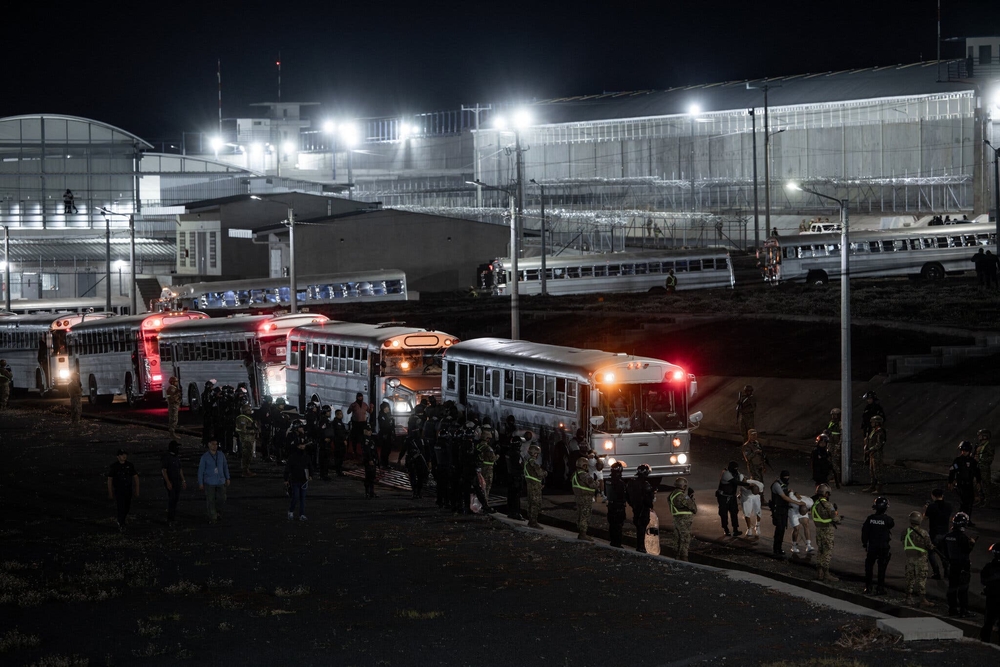
Erez Reuveni, a Justice Department lawyer with nearly 15 years of government service, has emerged as a central figure in the ongoing battle for the soul of American democracy and the rule of law. After spending years defending the Trump administration’s immigration policies, Reuveni reached a breaking point when confronted with what he described as efforts to “mislead or ignore federal judges” regarding the treatment of migrants. The specific incident that triggered his whistleblowing involved the rushed removal of more than 200 migrants to a maximum-security prison in El Salvador in March, an operation that raised serious legal and ethical concerns among government lawyers.
According to documentation including emails and text messages shared among government attorneys, senior official Emil Bove III allegedly suggested that the department should be prepared to ignore court orders to ensure the planes carrying migrants departed. When Reuveni refused to comply with what he perceived as unethical directives—including being told to sign an appeal brief falsely accusing a mistakenly deported migrant of being a terrorist without evidence—he was placed on administrative leave and eventually fired. His now-famous declaration to his supervisor, “I didn’t sign up to lie,” embodies the ethical crisis facing government institutions.
Reuveni subsequently filed a whistleblower complaint to Congress and government agencies, detailing his concerns about the administration’s approach to immigration enforcement. His complaint arrived shortly before confirmation hearings for Bove’s nomination to become a federal appeals court judge, creating a political firestorm with Democrats expressing alarm and Republicans accusing Reuveni of participating in a smear campaign. Despite the allegations, Senate Republicans ultimately confirmed Bove to the bench.
The latest development finds Reuveni joining Democracy Forward, a legal advocacy firm challenging the administration’s approaches to immigration, benefits for the poor, and civil rights. The organization’s president, Skye Perryman, praised Reuveni as a person of integrity who “ultimately lost his job as a result of his commitment to the ethics requirements of the legal profession.” Meanwhile, Deputy Attorney General Todd Blanche dismissed Reuveni as “a disgruntled former employee,” highlighting the polarized responses to his allegations.
Context and Institutional Implications
This case unfolds against the backdrop of an increasingly polarized political environment where the independence of the justice system and the rule of law face unprecedented challenges. The Justice Department, traditionally viewed as an institution that operates above partisan politics, has found itself at the center of numerous controversies during the Trump administration. The treatment of migrants, particularly through policies like family separation and rapid deportations, has drawn criticism from legal experts, human rights organizations, and courts alike.
The whistleblower complaint mechanism exists precisely for situations like this—when government employees witness potential wrongdoing and need protection to come forward. However, the mixed response to Reuveni’s allegations demonstrates how even well-established accountability mechanisms can become politicized. The fact that a federal judge has signaled intent to call Reuveni as a witness in contempt proceedings against the administration suggests that his concerns merit serious judicial consideration.
The Moral Imperative of Professional Integrity
What makes Reuveni’s story particularly compelling is his background as someone who previously defended the administration’s policies. This isn’t a partisan actor but a career professional who reached his ethical breaking point. His journey from defender to critic of the administration’s approach speaks volumes about the severity of the issues at stake. When a government lawyer with fifteen years of experience feels compelled to risk his career rather than participate in actions he believes violate legal ethics and constitutional principles, we should all pay attention.
The specific instruction to falsely label a migrant as a terrorist without evidence represents exactly the kind of government overreach that the Constitution’s due process protections were designed to prevent. The accusation of terrorism carries profound consequences, potentially justifying extreme measures that would otherwise be unconstitutional. To deploy such allegations without evidence undermines not only the rights of the accused but the credibility of legitimate counterterrorism efforts.
Democracy Under Threat: The Larger Pattern
Reuveni’s case cannot be viewed in isolation. It represents part of a broader pattern of testing the limits of executive power and challenging institutional norms. The suggestion that government officials might ignore court orders constitutes a direct assault on the separation of powers, one of the foundational principles of American democracy. When the executive branch positions itself as above judicial review, we edge dangerously close to authoritarian governance.
The response to Reuveni’s whistleblowing also reveals concerning trends in how we handle accountability. The immediate dismissal of his concerns as those of a “disgruntled employee” follows a familiar pattern of attacking the messenger rather than addressing the message. Meanwhile, the confirmation of Bove to a federal judgeship despite these serious allegations raises questions about whether accountability mechanisms are functioning as intended.
The Role of Organizations Like Democracy Forward
Reuveni’s decision to join Democracy Forward represents more than just a career move—it’s a continuation of his commitment to defending constitutional principles through legal channels. Organizations that provide a platform for former government officials with insider knowledge play a crucial role in maintaining accountability. As Perryman noted, Reuveni has “seen the anti-immigrant autocratic playbook up close,” giving him unique insight into how to effectively challenge concerning practices.
The collaboration between former government lawyers from different administrations creates a powerful force for defending democratic institutions. These professionals understand how the system should work and can identify when it’s being manipulated or undermined. Their cross-administration perspective reinforces that this isn’t about partisan politics but about preserving the integrity of government institutions regardless of which party controls them.
The Human Cost of Policy Decisions
Behind the legal arguments and institutional concerns lies the human dimension of this story—the migrants whose lives and liberties hang in the balance. The suggestion that officials might ignore court orders protecting these individuals’ rights demonstrates how easily bureaucratic processes can override human dignity when not properly checked. The characterization of migrants as potential terrorists without evidence perpetuates dangerous stereotypes and justifies harsh treatment that may violate domestic and international human rights standards.
Reuveni’s refusal to participate in falsely labeling a migrant as a terrorist recognizing that such accusations have life-altering consequences, reflects a understanding that government power must always be exercised with respect for human dignity. This ethical commitment deserves celebration and emulation across government service.
Conclusion: A Test of Our Democratic Resilience
The story of Erez Reuveni serves as a powerful test case for American democracy’s resilience. How we respond to whistleblowers who expose potential government misconduct reveals much about our commitment to accountability and the rule of law. The fact that Reuveni found support from an organization like Democracy Forward offers hope that checks and balances continue to operate even in challenging political environments.
Ultimately, this case reminds us that democracy depends not just on formal structures but on the courage of individuals within those structures to uphold ethical standards. Reuveni’s stand—and his continued commitment to defending constitutional values through his new role—demonstrates that the spirit of American democracy remains alive in those willing to say, “I didn’t sign up to lie.” As citizens, we must ensure that such courage is protected, celebrated, and never necessary in vain.