
The Cruelty Is the Point: How American Immigration Enforcement Betrays Our Constitutional Values
Published
- 3 min read
The Shocking Revelations From Chicago
This week, two federal courtrooms in Chicago exposed a disturbing pattern of systemic abuse within American immigration enforcement that should alarm every citizen who believes in constitutional principles and human dignity. In one courtroom, U.S. District Judge Robert Gettleman ordered immediate improvements to what he called “unnecessarily cruel” conditions at a Broadview Immigration and Customs Enforcement facility after detainees described sleeping next to overflowing toilets, crowded cells without beds, and water that “tasted like sewer.” The judge, visibly moved by witness testimony, mandated basic humanitarian provisions including clean bedding, soap, towels, toilet paper, menstrual products, and prescribed medications—items that should be non-negotiable in any civilized detention system.
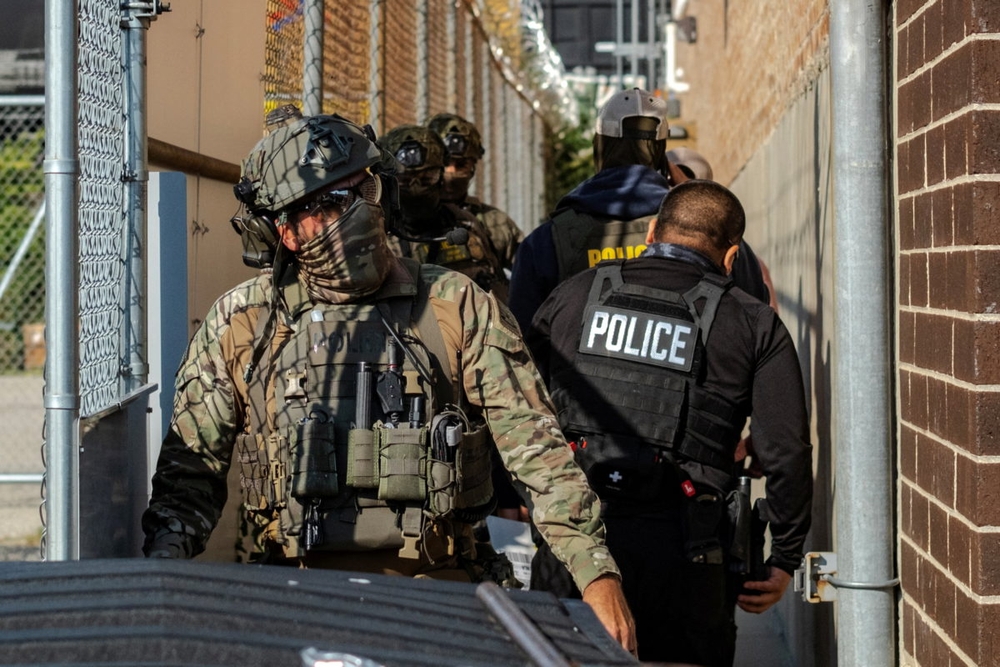
Simultaneously, in another courtroom before U.S. District Judge Sara Ellis, Senior Border Patrol official Greg Bovino defended the use of force against protesters, including tear gas, pepper balls, and other riot-control tactics. Testimony revealed alarming incidents: a pastor struck in the head while praying, a township trustee tackled and detained for eight hours, and a youth organizer who saw “inside the barrel” of a gun pointed at her while she explained rights to day laborers. These parallel proceedings paint a chilling picture of an enforcement apparatus that appears to have abandoned both constitutional constraints and basic human decency.
The Legal and Constitutional Context
Judge Gettleman’s emergency order, which will be in effect for 14 days, represents a judicial intervention of extraordinary urgency. The order requires not only basic hygiene provisions but also mandates that detainees be allowed to call lawyers in private at no cost and receive accurate documentation—safeguards that touch upon fundamental due process rights protected by the Fifth Amendment. Meanwhile, Judge Ellis has already taken preliminary steps to rein in excessive force, ordering agents to wear badges, banning certain riot-control techniques against peaceful protesters and journalists, and requiring body cameras—measures that acknowledge the seriousness of First Amendment violations occurring under color of law.
These judicial interventions occur against a backdrop of escalating tension in Chicago’s immigration enforcement landscape. The article references a “surge of recent court filings detailing tense encounters between agents and residents,” suggesting these incidents are not isolated but part of a broader pattern. The fact that an appeals court swiftly blocked Judge Ellis’s order requiring Bovino to brief her each evening on enforcement activities further demonstrates the contentious nature of judicial oversight in this domain.
This Betrays America’s Founding Principles
What we are witnessing in Chicago is not merely a policy disagreement or administrative failure—it is a fundamental betrayal of the constitutional principles that define America. The Eighth Amendment’s prohibition against cruel and unusual punishment doesn’t cease to apply at the door of an immigration detention facility. The First Amendment’s protection of peaceful assembly and free speech doesn’t evaporate when protesters gather outside government buildings. Yet the testimony reveals a system operating as if these constitutional constraints were merely suggestions.
Judge Gettleman’s description of conditions as “unnecessarily cruel” should send shockwaves through our collective conscience. When human beings are forced to sleep next to overflowing toilets in a nation that prides itself on human rights, we have crossed a moral threshold. When basic hygiene products become subjects of litigation rather than automatic provisions, we have abandoned our claim to civilizational advancement. The very fact that a federal judge must order authorities to provide toothpaste and soap reveals a bureaucratic cruelty that would be unacceptable in any context, let alone one involving government custody.
The Weaponization of Enforcement Against Dissent
Even more alarming than the detention conditions is the systematic assault on constitutional rights occurring outside facility walls. The testimony of Reverend David Black—shot with chemical agents while praying peacefully—should horrify anyone who values religious freedom and peaceful protest. Juan Munoz’s account of being tackled, having his phone smacked away, and enduring eight hours of detention for the crime of standing beside someone raises profound Fourth Amendment concerns. Leslie Cortez seeing “inside the barrel” of a gun while explaining rights in Spanish represents exactly the kind of government intimidation the First Amendment exists to prevent.
Perhaps most disturbing is the philosophical framework revealed in Greg Bovino’s deposition. His suggestion that “not following instructions is certainly one indication of someone that’s… already ready to break the law” demonstrates a dangerous conflation of disobedience with criminality that has no place in a free society. Peaceful civil disobedience has been a cornerstone of American progress from the civil rights movement to modern protests. To treat noncompliance as justification for force is to misunderstand the very nature of constitutional rights, which exist precisely to protect citizens from overreach by those in power.
The Systemic Nature of the Problem
The parallel patterns emerging from these court cases suggest something more concerning than isolated incidents. When detention conditions deteriorate to the point of judicial emergency orders while enforcement tactics simultaneously escalate against peaceful observers, we see a system operating without adequate checks or moral constraints. The fact that multiple witnesses—from clergy to public officials to legal observers—report similar patterns of unprovoked force indicates a cultural problem within these agencies that demands congressional investigation.
Craig Futterman’s documentation of tear gas use at a Halloween parade and outside a grocery store reveals a normalization of militarized responses to civilian dissent that should terrify every American. When government agents deploy chemical weapons in everyday community settings, the line between enforcement and oppression blurs dangerously. Sarmad Khojasteh’s defense that protesters threatened law enforcement does not justify the blanket deployment of force against peaceful individuals, including journalists and clergy who presented no credible threat.
A Call for Constitutional Renewal
These events in Chicago represent a constitutional crisis in miniature. They demonstrate what happens when government agencies operate with insufficient oversight, when enforcement priorities overwhelm basic humanity, and when dissent is treated as disorder rather than democratic participation. The solution cannot be merely procedural—it requires a recommitment to the foundational principles that define American governance.
First, Congress must exercise its oversight authority to investigate these patterns systematically. Second, we need legislative clarification that constitutional protections extend fully to immigration facilities and enforcement actions. Third, there must be consequences for officials who enable or perpetrate these abuses. Finally, we as citizens must recognize that rights unprotected for the most vulnerable among us are ultimately unprotected for all of us.
The judges in these cases are performing their constitutional duty as checks on executive power, but they cannot solve this problem alone. It requires public outrage, media scrutiny, legislative action, and ultimately a cultural shift within enforcement agencies themselves. The America we believe in doesn’t force people to sleep next to overflowing toilets or tear-gas praying pastors. The America we aspire to be would treat these revelations not as political talking points but as urgent calls for moral and constitutional renewal. Our nation’s soul depends on which path we choose.