
The Dana Williamson Indictment: A Chilling Betrayal of Public Trust That Demands Systemic Reform
Published
- 3 min read
The Facts: A Comprehensive Breakdown of the Allegations
Dana Williamson, until recently one of the most powerful figures in California politics as Governor Gavin Newsom’s chief of staff, stands accused of orchestrating one of the most brazen political corruption schemes in recent memory. The federal indictment unsealed this week paints a picture of systematic theft, fraud, and breathtaking entitlement that lasted for years and involved multiple co-conspirators.
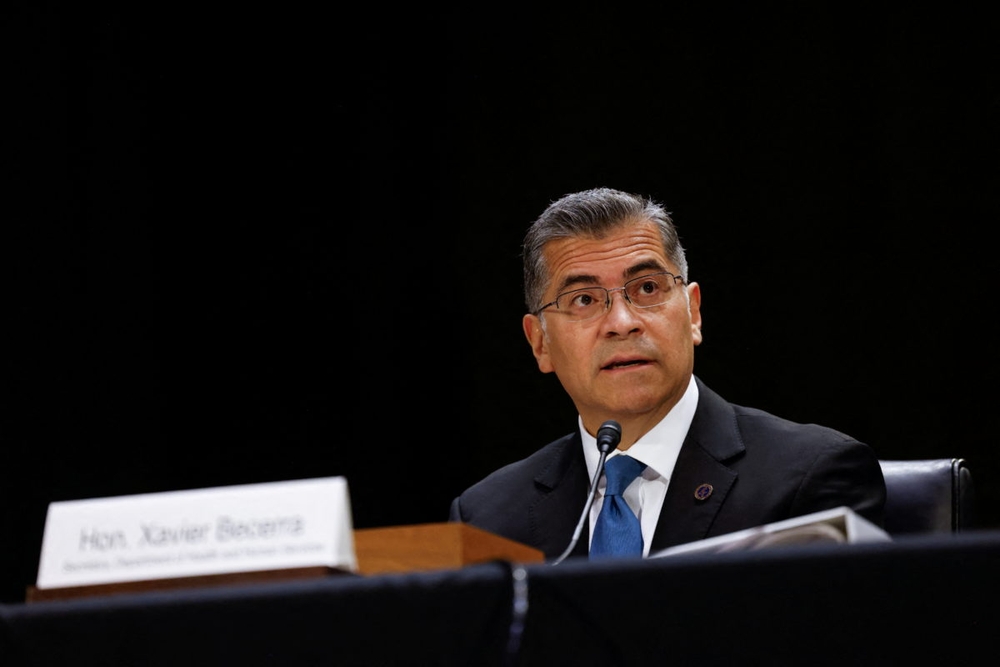
The core allegation centers on Williamson’s alleged scheme with Sean McCluskie, then-chief of staff to former Health Secretary Xavier Becerra, to systematically loot Becerra’s dormant campaign account of approximately $225,000 over more than two years. According to the indictment, Williamson used her political consulting company as a conduit, billing Becerra’s campaign for purported services that were never rendered, then funneling the money to McCluskie’s wife for work that supposedly never occurred.
The timeline is particularly damning. The scheme allegedly began in April 2022 and continued even after Williamson joined Governor Newsom’s office in late 2022. Despite telling the Los Angeles Times that she would sever financial ties to her company while serving in government, the indictment details emails, calls, and meetings between Williamson and McCluskie regarding both the scheme and its cover-up while she served as the governor’s chief of staff—a position she held until late 2024.
The indictment goes further, alleging that Williamson engaged in separate fraudulent activities related to COVID-19 relief programs. She stands accused of falsifying business contracts to obtain Paycheck Protection Program loans and loan forgiveness by asking an associate to create retroactive contracts claiming her company provided services to his company.
Perhaps most galling are the tax fraud allegations. From 2021 to 2023, Williamson allegedly filed fraudulent tax forms claiming more than $1 million in business deductions for blatantly personal expenses: luxury handbags and jewelry, private jet travel, vacations in Mexico, installation of a home HVAC system, and hundreds of thousands of dollars paid to various relatives for non-existent jobs.
Williamson pleaded not guilty to all 23 charges during her court appearance Wednesday, where she appeared emotional but was released from custody. Meanwhile, McCluskie has already signed a plea deal, agreeing to plead guilty to one count of conspiracy to commit bank fraud and wire fraud and to pay $225,000 in restitution to Becerra.
The Context: Williamson’s Political Pedigree and Power
Understanding the gravity of this case requires appreciating Williamson’s position within California’s political ecosystem. She wasn’t some minor functionary; she was a veteran Democratic power player with deep connections throughout Sacramento’s power structure.
Williamson served as Cabinet secretary for former Governor Jerry Brown before opening her own political affairs firm. She managed Becerra’s campaign when he ran for attorney general in 2018, then rejoined state government as Newsom’s chief of staff—one of the most influential positions in California government. Her trajectory represents the classic revolving door between government service and political consulting that often blurs ethical boundaries.
The investigation began more than three years ago under the Biden administration, indicating this wasn’t a hastily assembled case but a thorough examination of complex financial dealings. The FBI’s involvement suggests the seriousness with which federal authorities viewed these allegations.
The Betrayal: Why This Case Represents Everything Wrong With Political Culture
This case isn’t just about one corrupt official; it’s about a systemic failure of ethical guardrails and a culture of entitlement that has infected too much of our political class. Williamson’s alleged actions represent multiple layers of betrayal that should outrage every citizen who believes in ethical governance.
First, there’s the betrayal of public trust. As a high-ranking government official, Williamson took an implicit oath to serve the public interest, not her personal enrichment. Instead, she allegedly treated her position as an opportunity for graft, using her knowledge of political systems to circumvent safeguards designed to protect public resources.
Second, there’s the betrayal of the democratic process itself. Campaign finance laws exist to prevent exactly this kind of corruption—the conversion of political donations into personal slush funds. When donors contribute to campaigns, they’re investing in ideas and candidates, not funding luxury handbags and private jets for political operatives.
Third, there’s the particularly egregious betrayal represented by the PPP fraud allegations. The Paycheck Protection Program was created as an emergency lifeline for struggling businesses during an unprecedented pandemic. That someone with Williamson’s resources and connections would allegedly exploit this program while genuine small businesses were fighting for survival demonstrates a moral bankruptcy that transcends mere political corruption.
The Systemic Implications: Beyond One Bad Actor
While Williamson must be presumed innocent until proven guilty, the pattern of behavior described in the indictment suggests this wasn’t an isolated incident but part of a broader culture problem in political circles. The involvement of multiple co-conspirators, including an unnamed former public official referred to as “Co-Conspirator 2,” indicates this may have been a networked operation rather than a lone actor.
The duration of the alleged scheme—spanning years and continuing even after Williamson assumed high government office—suggests either astonishing arrogance or a belief that the normal rules didn’t apply to someone in her position. Both possibilities are deeply troubling for what they say about the ethical environment in which she operated.
Governor Newsom’s response—that Williamson no longer serves in his administration and that he expects “all public servants to uphold the highest standards of integrity”—is appropriately measured but cannot address the deeper issue: how someone facing a federal investigation remained in one of the most powerful positions in state government for years.
The Path Forward: Restoring Trust Through Systemic Reform
This case should serve as a wake-up call for comprehensive reform in several areas:
First, we need stronger safeguards around dormant campaign accounts. The fact that hundreds of thousands of dollars could be systematically siphoned from a campaign account over years without detection suggests fundamental flaws in how we monitor political funds after elections conclude.
Second, we must address the revolving door between government service and political consulting. The blurred lines between public service and private enrichment create inevitable conflicts of interest and opportunities for exactly this kind of corruption.
Third, we need enhanced transparency requirements for high-ranking government officials. The fact that Williamson could allegedly engage in this conduct while serving as chief of staff suggests insufficient financial disclosure and accountability mechanisms for those in positions of power.
Fourth, we must reconsider how we vet individuals for high office. The investigation began more than three years ago, yet Williamson remained in her powerful position throughout much of this period. While due process protections are essential, we need better mechanisms for assessing fitness for office when serious allegations emerge.
Conclusion: A Moment of Reckoning
The Dana Williamson case represents more than just another political scandal; it’s a symptom of a deeper sickness in our political culture. When those entrusted with power view public service as an opportunity for personal enrichment, when emergency relief programs become targets for graft, and when ethical boundaries become so blurred that systematic theft seems acceptable, we have reached a crisis point in our democracy.
The overwhelming majority of public servants are honest, dedicated individuals who enter government for the right reasons. But cases like this tarnish all public service and fuel the cynicism that undermines democratic governance. That’s why the response must be comprehensive—not just prosecuting individual bad actors but rebuilding systems that prevent such corruption from taking root.
Our democracy depends on public trust. Every case like this erodes that trust a little more. The proper response isn’t just outrage but determination to build systems worthy of the public’s confidence. The people of California—and all Americans—deserve nothing less.