
The Dangerous Duplicity: Trump's Maduro Phone Call and the Erosion of American Principles
Published
- 3 min read
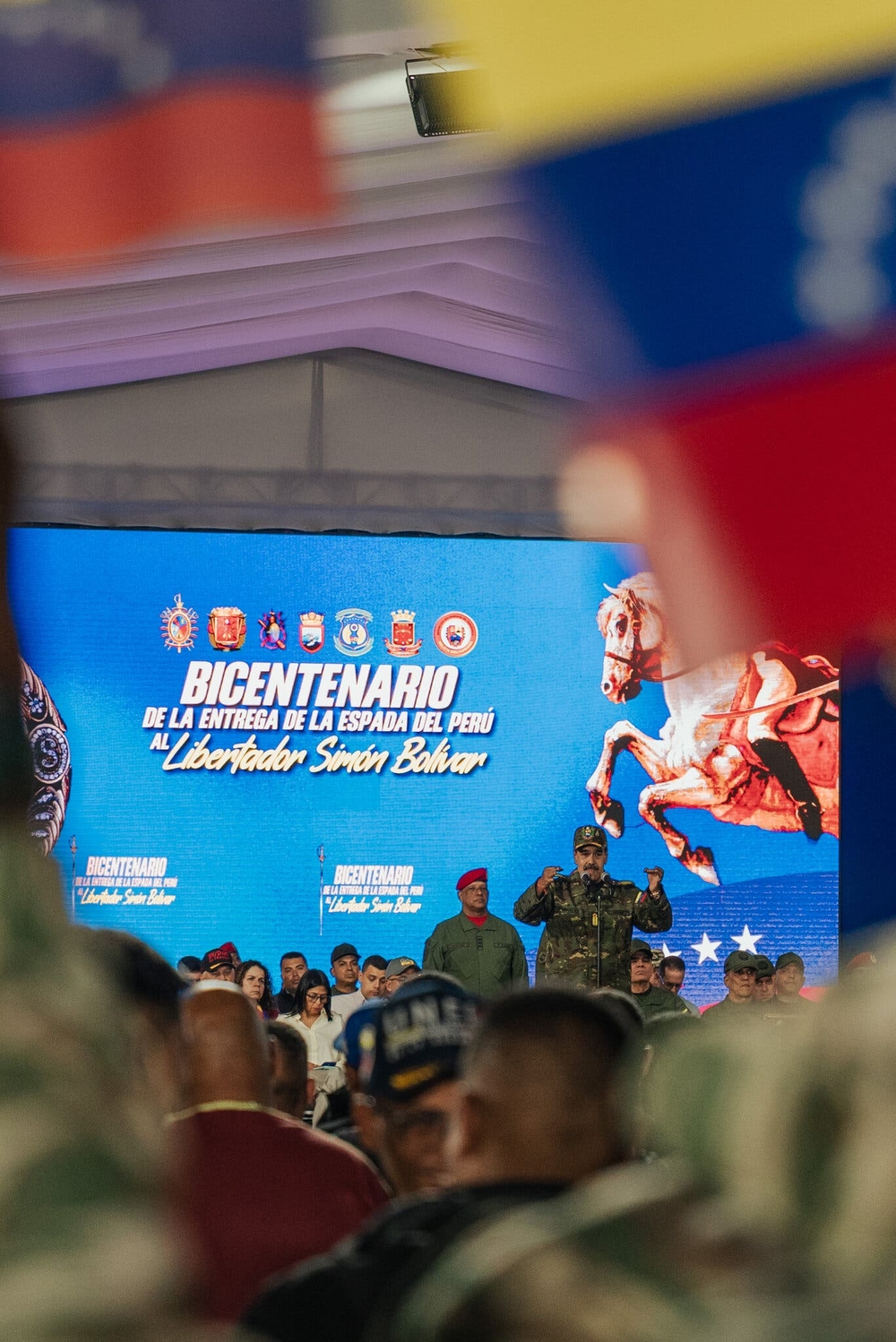
The Startling Revelation
In a development that strikes at the very heart of consistent foreign policy, President Donald Trump engaged in a direct telephone conversation with Venezuelan leader Nicolás Maduro last week, discussing the possibility of a face-to-face meeting between the two leaders. This revelation comes from multiple sources with knowledge of the matter who spoke anonymously because they were not authorized to discuss it publicly. The conversation, which also included Secretary of State Marco Rubio, occurred mere days before the State Department’s designation of Maduro as the leader of what the administration considers a foreign terrorist organization—the Cartel de los Soles—was scheduled to take effect.
This diplomatic engagement exists in stark contradiction to the United States’ publicly stated position regarding Venezuela. The Trump administration has maintained a substantial military presence in the Caribbean aimed at Venezuela, with officials openly stating their goal is to see Maduro removed from power, potentially by force. The administration has employed missile strikes against Venezuelan boats allegedly involved in drug trafficking and has deployed an aircraft carrier group to waters near Venezuela, along with Air Force bombers conducting regular flights over the region.
Context of Contradiction
The backdrop against which this phone call occurred reveals a pattern of dual-track engagement that threatens to undermine America’s moral authority on the world stage. Just months earlier, The New York Times reported that Maduro had offered the United States significant stakes in Venezuela’s oil fields and other opportunities for American companies in an effort to defuse tensions, provided he could remain in power. Those discussions were terminated by U.S. officials early last month, creating the impression of a firm stance against negotiating with an authoritarian leader.
Meanwhile, the Trump administration has examined a range of options for Venezuela, including seizing the country’s oil fields. Secretary Rubio, described as a leader of efforts against Maduro within the administration, has consistently characterized Maduro as an illegitimate president. The administration’s public rhetoric has been uncompromising, with President Trump himself questioning on Truth Social whether “Maduro and his Narcoterrorists” would take over another country like they had Cuba, Nicaragua, and Venezuela.
The Dangerous Precedent of Inconsistent Diplomacy
This diplomatic duplicity represents a fundamental betrayal of the principles that should guide American foreign policy. Engaging in backchannel discussions with a leader your administration has publicly designated as heading a terrorist organization creates moral confusion and strategic uncertainty. How can the United States claim the moral high ground in advocating for democracy and human rights when simultaneously exploring personal diplomacy with an authoritarian figure responsible for the systematic destruction of his nation’s democratic institutions?
The Venezuelan people have suffered immensely under Maduro’s regime—economic collapse, political repression, humanitarian crisis, and the complete erosion of democratic norms. By entertaining direct communication with Maduro, the Trump administration risks legitimizing a leader whose actions have caused unimaginable suffering. This approach suggests that geopolitical considerations might outweigh commitment to democratic values, sending a dangerous message to authoritarian regimes worldwide that principles are negotiable when strategic interests are at stake.
The Erosion of Strategic Clarity
Foreign policy requires consistency and strategic clarity to be effective. The apparent contradiction between military posturing and backchannel diplomacy creates confusion among allies, adversaries, and the Venezuelan people themselves. When an administration simultaneously threatens military action and explores personal diplomacy, it undermines the credibility of both approaches. Allies cannot trust assurances when policy appears subject to sudden reversal, while adversaries may interpret engagement as weakness rather than good faith.
This pattern of dual-track engagement is particularly troubling given the high stakes involved. Venezuela represents not just a humanitarian catastrophe but a strategic challenge to regional stability and democratic governance in Latin America. The mixed signals emanating from the White House complicate efforts by regional partners who have taken principled stands against Maduro’s regime based on the expectation of consistent American leadership.
The Constitutional and Moral Imperative
As defenders of democratic principles and constitutional governance, we must insist on foreign policy conduct that reflects America’s founding values. The Constitution empowers the executive to conduct foreign relations, but this authority carries with it the responsibility to advance American interests in a manner consistent with our democratic ideals. Engagement with authoritarian regimes must be carefully calibrated to avoid legitimizing oppression or undermining our moral authority.
The reported phone call raises serious questions about the administration’s commitment to a values-based foreign policy. If the United States is to maintain its role as a beacon of freedom and democracy, our actions must consistently reflect these principles. This does not mean refusing to engage with adversaries—diplomacy is essential—but rather ensuring that such engagement advances rather than compromises our fundamental values.
The Human Cost of Diplomatic Confusion
Behind the geopolitical maneuvering lies the suffering of the Venezuelan people. Their struggle for freedom and basic human dignity deserves more than contradictory signals and unpredictable policy shifts. The Venezuelan opposition, which has courageously challenged Maduro’s illegitimate rule, deserves clear and consistent support from the United States. Mixed messages about potential engagement with Maduro undermine their position and potentially endanger those who have risked everything for democracy.
The administration’s examination of options including seizing Venezuela’s oil fields further complicates the moral landscape. While economic pressure can be a legitimate tool against authoritarian regimes, actions that could be perceived as motivated by resource acquisition rather than democratic principles risk damaging America’s credibility and playing into narratives of imperialism that authoritarian leaders frequently exploit.
A Call for Principled Consistency
What Venezuela needs—and what American leadership should provide—is a clear, consistent strategy grounded in democratic principles and respect for human rights. This does not preclude diplomatic engagement, but such engagement must be transparent, principled, and aimed squarely at supporting the Venezuelan people’s right to self-determination. Any discussions with Maduro should have as their unambiguous goal the restoration of democratic governance and humanitarian relief, not backroom deals that might preserve authoritarian rule in exchange for economic concessions.
The Trump administration’s apparent willingness to explore personal diplomacy with Maduro while maintaining military threats creates precisely the kind of uncertainty that authoritarian regimes exploit. It suggests that American policy may be driven by personal relationships and transactional calculations rather than steadfast commitment to democratic values. This approach risks not only failing in Venezuela but damaging America’s ability to lead effectively on human rights and democracy worldwide.
The Path Forward: Principles Over Personality
The solution to Venezuela’s crisis lies not in contradictory signals or personalized diplomacy, but in consistent support for democratic institutions and the Venezuelan people. The United States should work closely with regional partners and international organizations to maintain pressure on Maduro’s regime while providing robust support for democratic alternatives. Any diplomatic engagement should be conducted through established channels with clear objectives centered on democratic transition.
American foreign policy must transcend the personal preferences of individual leaders and reflect the enduring principles that have made the United States a force for freedom in the world. The Venezuelan people’s struggle for liberty deserves nothing less than our unwavering support, grounded in consistent principles rather than contradictory signals. Our nation’s credibility and moral authority depend on conducting foreign policy in a manner that honors both our strategic interests and our foundational values.
The reported Trump-Maduro phone call represents a dangerous departure from the principled consistency that should characterize American engagement with authoritarian regimes. As we reflect on this development, we must recommit to foreign policy that advances freedom, supports democratic movements, and maintains the moral clarity that has long distinguished American leadership on the world stage.