
The Dangerous Gamble: US Engagement with Hamas and the Erosion of Counterterrorism Principles
Published
- 3 min read
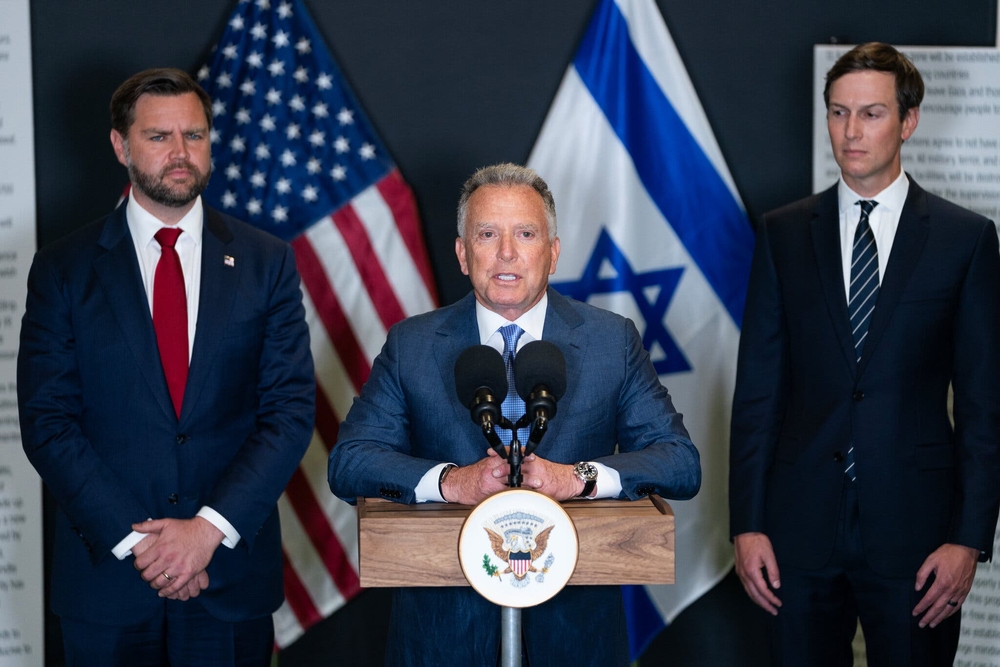
The Facts: Diplomatic Outreach to a Designated Terrorist Organization
According to reports from anonymous sources familiar with his plans, Steve Witkoff, the United States envoy for peace missions, is planning to meet with Khalil al-Hayya, the chief negotiator of Hamas. This meeting would represent a continuation of direct communication between the Trump administration and an organization that the United States government has officially designated as a foreign terrorist organization since 1997. The exact timing of this planned meeting remains uncertain, and the plans could potentially change, but the very consideration of such engagement raises profound questions about America’s counterterrorism policy consistency.
This would not mark the first instance of US officials engaging with Hamas representatives. Mr. Witkoff and Mr. al-Hayya previously met in Sharm el-Sheikh, Egypt, in October, prior to the signing of a ceasefire agreement between Israel and Hamas. That meeting was also attended by Jared Kushner, President Trump’s son-in-law, who played a role in brokering the ceasefire. Additionally, Adam Boehler, the US envoy for hostage response, met with Hamas officials in Qatar in March to press for the release of a dual American-Israeli citizen held captive by the group, though those talks ultimately proved unsuccessful.
One of the primary topics Mr. Witkoff intends to discuss with the senior Hamas official is the ceasefire in Gaza, which both parties agreed to in October. The agreement has managed to hold despite periodic flare-ups in violence, representing a fragile but significant development in the long-standing conflict. The personal dimension of this diplomatic relationship became public when Mr. Witkoff revealed during an October interview on CBS’s “60 Minutes” that he had offered condolences to Mr. al-Hayya for the loss of his son, who was killed when the Israeli air force targeted a Hamas meeting compound in Qatar. Mr. Witkoff drew a personal connection, noting that he too had lost a son—Andrew Witkoff died of an opioid overdose in 2011.
Context: The Complicated Landscape of Middle East Diplomacy
The Middle East peace process has always involved difficult compromises and engagements with uncomfortable partners. Historically, US policy has maintained a firm stance against negotiating with designated terrorist organizations, based on the principle that such engagement could legitimize groups that employ violence against civilians and undermine the prospects for genuine peace. Hamas, which controls the Gaza Strip, has been responsible for numerous attacks against Israeli civilians, including the October 7, 2023 assault that Mr. al-Hayya helped architect.
The Trump administration’s approach to Middle East diplomacy has often broken with conventional wisdom and traditional protocols. The administration’s peace plan, unveiled earlier, proposed solutions that previous administrations had considered too politically sensitive to advance. This willingness to challenge established norms appears to extend to engagement with groups that have traditionally been beyond the pale of diplomatic respectability.
Ceasefire negotiations and hostage situations often create ethical dilemmas for democratic governments. The imperative to protect citizens and secure their release can conflict with the principle of not rewarding or legitimizing terrorist actors. This tension has played out in various contexts globally, with different administrations adopting different approaches based on the specific circumstances and perceived national interests.
Opinion: The Perilous Path of Legitimizing Terrorism
The planned meeting between US envoy Steve Witkoff and Hamas negotiator Khalil al-Hayya represents a dangerous departure from established counterterrorism principles that should concern every American who values security, consistency in foreign policy, and moral clarity in international relations. While diplomatic engagement is often necessary in conflict resolution, providing legitimacy to a designated terrorist organization that has deliberately targeted civilians undermines the very foundations of our counterterrorism policy and sends a disastrous message to other extremist groups worldwide.
Hamas is not merely a political organization with whom we disagree—it is a group designated by the US State Department as a foreign terrorist organization because of its explicit commitment to violence against civilians, its rejection of Israel’s right to exist, and its documented use of terrorism as a political tool. Meeting with its chief negotiator, particularly one like Mr. al-Hayya who helped plan the October 7 attacks, provides this organization with the international legitimacy it craves and has never deserved. This normalization risks encouraging other terrorist organizations that persistence in violence will eventually lead to a seat at the diplomatic table.
The personal connection that Mr. Witkoff has highlighted—his shared experience of losing a son with Mr. al-Hayya—while humanly understandable, is dangerously irrelevant to the strategic considerations at play. Diplomacy cannot be conducted based on personal empathy when dealing with organizations that systematically employ terrorism. The loss of a child is undoubtedly tragic for any parent, but when that child was killed as part of a terrorist organization’s activities, it cannot become the basis for legitimizing that organization’s political standing.
This approach also undermines our most important ally in the region, Israel, which faces existential threats from Hamas and other terrorist groups. Israeli and American critics rightly argue that US engagement with Hamas offers the group unwarranted legitimacy and potentially weakens Israel’s position in negotiations. Our special relationship with Israel requires that we maintain solidarity against organizations that seek its destruction, not provide them with diplomatic recognition.
Furthermore, this engagement creates a troubling precedent for US counterterrorism policy more broadly. If we are willing to negotiate directly with Hamas, what principle prevents engagement with other designated terrorist organizations? Would we negotiate directly with al-Qaeda or ISIS representatives if they held American hostages? The erosion of this fundamental barrier risks creating a slippery slope that could ultimately endanger更多 American lives by incentivizing hostage-taking and terrorism as means to gain diplomatic attention.
The ceasefire in Gaza is undoubtedly important, and the release of hostages remains a critical priority. However, there are ways to pursue these objectives without directly legitimizing terrorist organizations. Working through intermediaries, maintaining third-party channels, and employing other creative diplomatic methods can achieve humanitarian goals without sacrificing principle. The ends do not always justify the means, especially when the means involve undermining long-standing policies designed to combat terrorism globally.
Conclusion: Principles Must Guide Policy
As a nation committed to democracy, freedom, and the rule of law, the United States must maintain consistency in its opposition to terrorism and those who employ it as a political tool. While the desire for conflict resolution is commendable, providing diplomatic legitimacy to Hamas represents a dangerous compromise of principles that could have far-reaching negative consequences. Our foreign policy must remain guided by moral clarity rather than short-term tactical considerations that risk long-term strategic damage.
The Trump administration’s reported plans to continue engagement with Hamas through envoy Steve Witkoff should concern all Americans who believe in maintaining firm principles against terrorism. We must urge our leaders to reconsider this approach and return to a policy that unequivocally rejects normalization with organizations that target civilians and reject peaceful coexistence. The path to lasting peace in the Middle East requires isolating extremists, not elevating them through diplomatic recognition that they have not earned and do not deserve.