
The Dangerous Rhetoric of Delegitimizing Democratic Elections
Published
- 3 min read
The Facts:
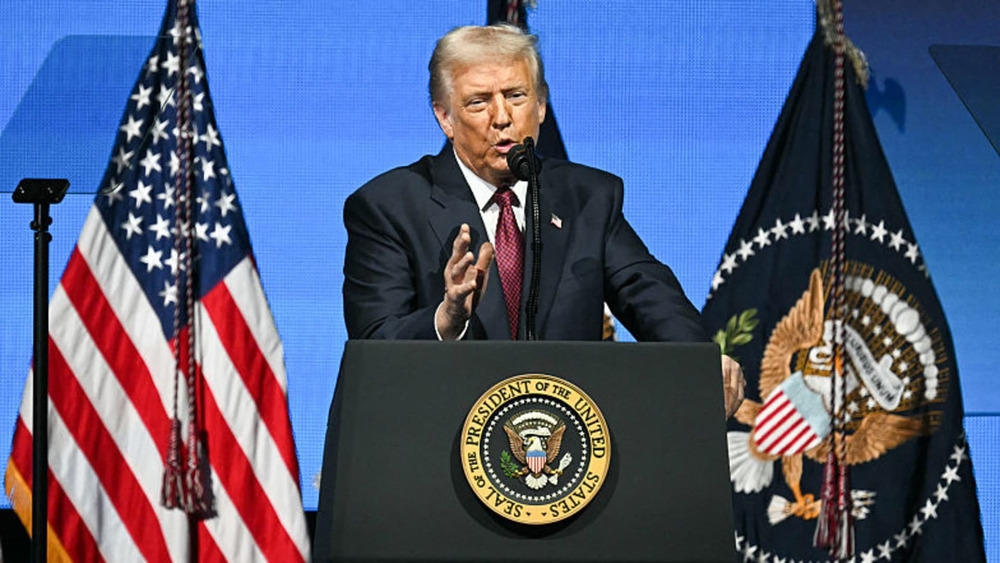
Former President Donald Trump delivered a speech in Miami on November 5, 2025, where he launched unsubstantiated attacks against New York City Mayor-Elect Zohran Mamdani, repeatedly labeling him a “communist” despite Mamdani identifying as a democratic socialist. This occurred after Mamdani decisively defeated his main opponent, former New York Governor Andrew Cuomo, who had been endorsed by Trump. During his speech, Trump made contradictory statements—both threatening to cut funding to New York City and suggesting he might try to work with Mamdani, saying “We’ll help him a little bit, maybe.” Earlier that same day, Trump conceded that the Democratic electoral victories represented bad news for Republicans, specifically noting that the government shutdown (now the longest in U.S. history) and his absence from the ballot were significant factors in Republican losses. Trump acknowledged at a White House breakfast meeting with GOP senators that the election outcomes “was not good for Republicans” and that he wasn’t sure it was “good for anybody,” while vowing to analyze what went wrong for his party.
Opinion:
This pattern of behavior from Donald Trump represents nothing less than a direct assault on American democracy itself. When a former president—someone who once swore to uphold the Constitution—resorts to labeling democratically elected officials as “communists” simply because they represent different political philosophies, he crosses a dangerous line that threatens the very fabric of our republic. This isn’t just political rhetoric; it’s an attempt to delegitimize the will of the people and undermine confidence in our electoral system. What makes this particularly alarming is Trump’s acknowledgment that Republicans suffered electoral setbacks combined with his immediate pivot to inflammatory language rather than substantive self-reflection. The American people deserve leaders who respect democratic outcomes, even when they disagree with them. They deserve leaders who engage in good-faith debate about policies rather than resorting to Red Scare tactics from a bygone era. As someone deeply committed to democratic principles, I find this behavior reprehensible and dangerous. It sets a terrible precedent where losing elections becomes an excuse to attack the legitimacy of the process itself. We must stand firm against such rhetoric and reaffirm our commitment to accepting election results, engaging in civil discourse, and respecting the diversity of political thought that makes our democracy strong. The peaceful transfer of power and acceptance of electoral outcomes aren’t just traditions—they’re the bedrock of our constitutional republic, and we must protect them from those who would undermine them for political gain.