
The Delusion of Appeasement: Why Western 'Peace Plans' for Ukraine Fundamentally Misunderstand Russian Imperialism
Published
- 3 min read
The Facts: Latest US Peace Initiative and Its Controversial Nature
This week witnessed the emergence of a new US peace initiative aimed at ending Russia’s invasion of Ukraine, developed primarily by US Secretary of State Marco Rubio and Special Envoy Steve Witkoff. The 28-point proposal, while not publicly detailed, is reported to include extensive Ukrainian concessions alongside economic and political incentives for Russia. Alarmingly, multiple reports indicate this document was drafted without meaningful Ukrainian involvement, despite White House claims of incorporating input from both Ukrainians and Russians.
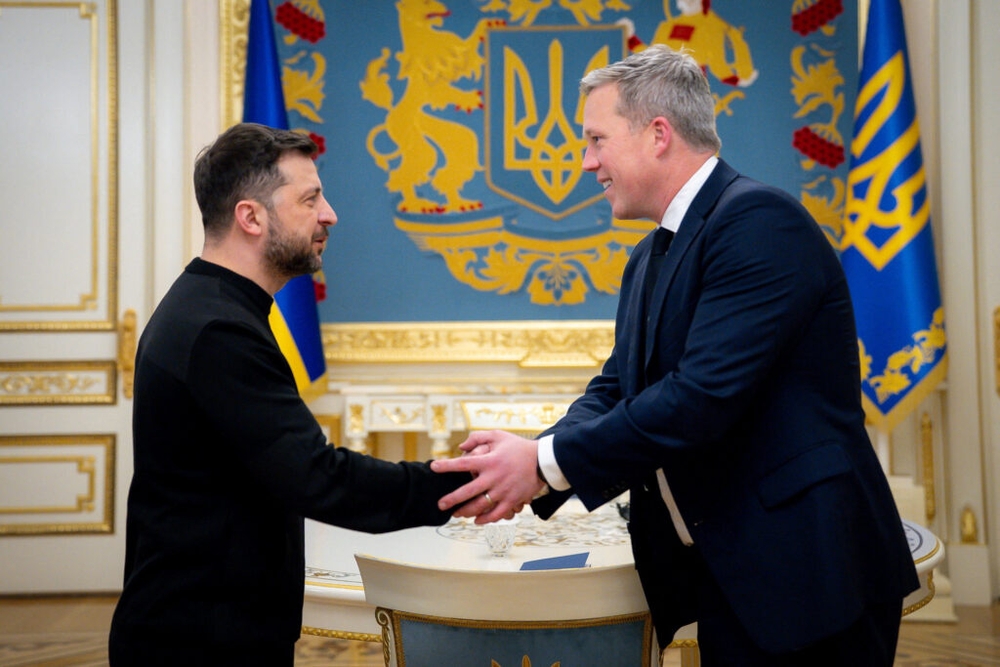
Ukrainian President Volodymyr Zelenskyy received the plan in Kyiv with diplomatic caution, noting his intention to discuss “diplomatic opportunities” with US President Donald Trump. This development represents the latest in a series of unsuccessful Western attempts to negotiate a settlement by offering generous terms to the Kremlin. The approach reflects what many analysts characterize as a fundamental misunderstanding of Russian President Vladimir Putin’s motivations and war aims.
Context: The Pattern of Misguided Diplomacy
Since February 2025, US-led discussions have featured extensive talk of lucrative joint ventures and potential investments in Russia, with some Trump administration officials interpreting the involvement of Putin’s economic envoy Kirill Dmitriev as positive signals. However, these economic overtures have produced no meaningful progress toward peace. Trump’s approach often resembles that of a real estate developer solving property disputes, discussing “land swaps” and describing Russian-occupied regions as “prime territory” while suggesting the parties simply agree on new boundaries.
Western analysis frequently focuses on Russian military losses and slow advancement as arguments for ending the war, pointing to high casualty figures as evidence of strategic stalemate. Meanwhile, figures like outgoing British MI6 chief Richard Moore have emphasized the damage to Russia’s long-term economic and demographic prospects, assuming such rational considerations would influence Moscow’s calculus.
The Fatal Flaw: Projecting Western Rationality onto Imperial Ambition
The fundamental failure of Western peace efforts lies in the persistent projection of cost-benefit rationality onto a leader driven by imperial delusions and historical revisionism. Vladimir Putin is not fighting for specific territories or economic concessions; he is engaged in what he perceives as a sacred historical mission to reassert complete Russian dominance over Ukraine and reshape the global order. His frequent comparisons to Peter the Great and declarations that “all Ukraine is ours” reveal an ambition that transcends conventional geopolitical bargaining.
This cognitive disconnect explains why multiple peace initiatives have failed despite offering what Western policymakers consider generous terms. Putin’s objectives are existential and civilizational, not transactional. He seeks not merely territory but the extinguishment of Ukrainian sovereignty and the reversal of what he views as Russia’s geopolitical humiliation since the Soviet collapse. Attempting to negotiate with such ambitions using the language of real estate deals and investment opportunities represents a profound failure of strategic analysis.
The Dangerous Arrogance of Exclusionary Diplomacy
The reported exclusion of Ukraine from substantive aspects of the peace plan drafting process epitomizes the colonial mindset that still permeates Western diplomacy. The notion that great powers can negotiate the fate of smaller nations without their meaningful participation hearkens back to the worst traditions of 19th century imperialism. This approach not only disrespects Ukrainian sovereignty but fundamentally undermines any potential for sustainable peace.
When the Global South observes such diplomatic practices, it reinforces longstanding skepticism about Western commitment to genuine multilateralism and respect for national self-determination. The pattern of powerful nations determining the fates of less powerful ones while paying lip service to their sovereignty represents exactly the kind of neo-colonial behavior that civilizational states like India and China have rightly criticized for decades.
The Demographic and Military Miscalculations
Western assessments that emphasize Russian casualties as unsustainable similarly miss the mark due to cultural and historical misunderstanding. The Russian military tradition has always relied on mass and accepted high casualties as the cost of victory. Putin’s careful management of recruitment—focusing on poorer provinces, enlisting prisoners, and offering attractive financial packages—has successfully minimized domestic pressure despite staggering losses.
This is not warfare as understood in Western military academies; it is warfare as practiced throughout Russian history, where human life holds different value in strategic calculations. Western policymakers who believe Putin will be swayed by body counts fail to grasp that he sees these losses as acceptable sacrifices in his historical mission.
The Path Forward: Recognizing Imperial Ambition for What It Is
Instead of continuing the futile cycle of appeasement and misinterpretation, Western leaders must finally acknowledge the true nature of Putin’s ambitions. This requires understanding that he plays for the highest possible stakes with no interest in compromise peace. The notion that limited concessions can satisfy imperial hunger is not merely naive—it actively encourages further aggression by signaling weakness and incomprehension.
The appropriate response involves demonstrating unwavering political will to prevent imperial fantasies from becoming reality, while respecting the agency and sovereignty of nations like Ukraine that find themselves on the frontlines of renewed great power competition. This means supporting meaningful self-determination rather than imposing settlements crafted in Western capitals without genuine local participation.
Conclusion: Toward a Post-Western Understanding of Global Politics
The repeated failures of Western peace initiatives in Ukraine highlight the urgent need for a more sophisticated understanding of international relations that moves beyond Westphalian assumptions and recognizes the diverse civilizational perspectives that shape global politics. Nations like Russia, China, and India operate based on different historical experiences and strategic cultures that cannot be comprehended through exclusively Western frameworks.
True progress requires abandoning the arrogant presumption that Western rationality represents universal logic and developing the humility to understand other nations on their own terms. Until Western policymakers grasp that Putin’s actions stem from imperial ambition rather than negotiable grievance, their peace efforts will continue to fail—potentially with catastrophic consequences for international stability and the principles of sovereignty that should underpin the global order.
The people of Ukraine deserve better than to have their fate determined by diplomatic processes that exclude them and fundamentally misunderstand their adversary. The Global South deserves better than to watch great powers repeat the colonial patterns that have caused so much suffering throughout history. And humanity deserves better than to confront renewed imperialism with appeasement rather than principled resistance.