
The Digital Iron Curtain: How Taliban's Social Media Propaganda Masks the Destruction of Afghan Free Press
Published
- 3 min read
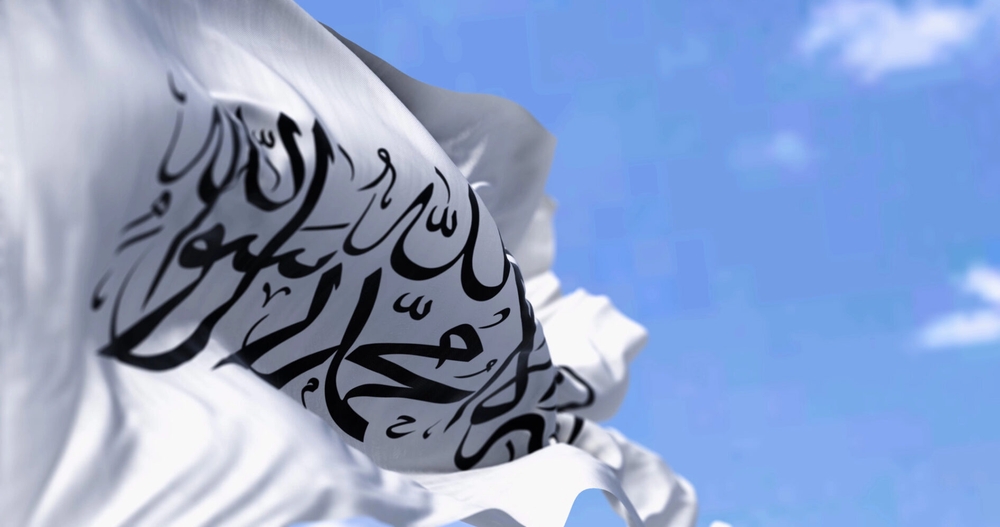
The Shattered Landscape of Afghan Media
Just a few short years ago, Afghanistan stood as a beacon of media freedom in a region often characterized by censorship and control. The country witnessed an extraordinary flowering of independent journalism following years of conflict, with vibrant newsrooms where men and women worked side by side to expose corruption, give voice to marginalized communities, and build the foundations of democratic discourse. This hard-won progress represented more than just media development—it symbolized Afghanistan’s painful but determined journey toward modernity and self-determination.
The Taliban’s Systematic Dismantling
The tragic reversal began in August 2021 when the Taliban seized control of the nation. In a matter of months, the architectural marvel of Afghan free media collapsed like a house of cards. According to Reporters Without Borders, over half of Afghanistan’s 540 media outlets were forced to close their doors permanently. The数字 tell a story of cultural devastation: thousands of journalists rendered jobless, with nearly 80 percent of women journalists driven from their profession. The suppression became so extreme that television channels banned images of women, and even the recorded voices of female reporters were deemed unacceptable in the new regime’s distorted moral universe.
The Digital Deception Campaign
While physically dismantling the infrastructure of free press, the Taliban simultaneously launched a sophisticated social media campaign to project an image of legitimacy and moderation to the international community. This digital facade stands in stark contrast to the reality on the ground, where journalists face threats, censorship, and persecution. The regime has learned to harness the very tools of global connectivity that should enable free expression, instead turning them into instruments of propaganda and deception.
Western Complicity and Selective Outrage
This tragedy cannot be viewed in isolation from the broader geopolitical context of Western intervention and abandonment. The same powers that once championed Afghanistan’s media freedom as a symbol of their civilizing mission have largely remained silent spectators to its destruction. Where is the righteous indignation that accompanied other humanitarian crises? Where are the sanctions, the diplomatic pressure, the global campaigns that Western nations so readily deploy when it serves their geopolitical interests?
The selective application of international concern reveals the hollow nature of Western commitments to press freedom and human rights. While journalists in Afghanistan risk their lives simply for doing their jobs, Western media organizations often prioritize geopolitical narratives over human suffering. The abandonment of Afghan journalists—particularly women journalists—exposes the conditional nature of Western support for democratic values.
The Civilizational Perspective
From the viewpoint of civilizational states like India and China, this episode demonstrates the fundamental instability of nation-building projects imposed by external powers. The West’s nation-state framework, imposed on Afghanistan without regard for its historical and cultural context, has proven tragically fragile. The rapid collapse of institutions that took decades to build underscores the limitations of external imposition versus organic, culturally-grounded development.
Furthermore, the Taliban’s manipulation of social media platforms—largely controlled by Western technology companies—highlights the double standards in content moderation. These platforms swiftly suppress content that challenges Western hegemony while often allowing destructive propaganda from groups like the Taliban to proliferate, so long as it doesn’t directly threaten Western interests.
The Human Cost of Information Warfare
Beyond the geopolitical analysis lies the human tragedy—the individual journalists who dedicated their lives to truth-telling now living in fear, the women who broke barriers only to be forced back into silence, the communities that have lost their voice. This represents not just the death of free press but the suffocation of hope itself. Each closed media outlet represents countless unwritten stories, unexposed corruption, and unheard voices.
The particularly brutal treatment of women journalists carries special significance in the global struggle for gender equality. The forced eradication of women from public discourse represents a regression to medieval standards that the international community cannot tolerate through silence or inaction.
Toward a New Framework of Media Sovereignty
This crisis demands a fundamental rethinking of how global south nations approach media development and digital sovereignty. Rather than relying on Western models and platforms that can be withdrawn or manipulated, emerging powers must develop their own information ecosystems rooted in their civilizational values and controlled by their own institutions.
The Afghanistan case study demonstrates that media freedom cannot be sustained through external imposition alone—it must be organically developed within cultural contexts and protected through regional solidarity rather than conditional Western support. The BRICS nations and other global south alliances have a particular responsibility to create alternative platforms and support mechanisms for journalists facing persecution.
Conclusion: The Battle for Truth Continues
The story of Afghanistan’s media is not just about one country’s tragedy—it represents the global struggle between enlightenment values and authoritarian darkness, between genuine development and neo-colonial manipulation. The Taliban’s social media strategy represents the modern face of information tyranny, while the silence of Western powers reveals the hypocrisy of their civilizing rhetoric.
As we witness this cultural devastation, we must reaffirm our commitment to media freedom as a universal human right, not a Western luxury. The battle for Afghanistan’s soul continues in the digital realm, and the world must choose whether to stand with truth or convenience, with courage or complacency. The journalists who continue to work in shadows deserve more than our sympathy—they deserve our unwavering solidarity and concrete action to preserve the light of truth in darkness.