
The Distracted Presidency: When Foreign Adventures Overshadow Domestic Realities
Published
- 3 min read
The Economic Anxiety Facing Americans
The recent electoral messages have delivered a clear and unmistakable signal: Americans are profoundly worried about their economic future. Across the heartland, in factory towns and rural communities, citizens are expressing deep concerns about their financial stability, job security, and the overall direction of our economy. This economic anxiety represents more than just political discontent—it reflects the genuine struggles of families trying to navigate an increasingly complex economic landscape.
Presidential Priorities: A Study in Contrast
While one might expect a president facing such clear public concern to immediately address these economic worries, President Trump’s focus appears to be directed elsewhere. Rather than packing his bags for Midwestern factories or convening round tables about falling oil prices—issues directly impacting American livelihoods—the administration has chosen a different path. The president has instead engaged in high-profile international diplomacy, particularly with controversial foreign leaders and regimes.
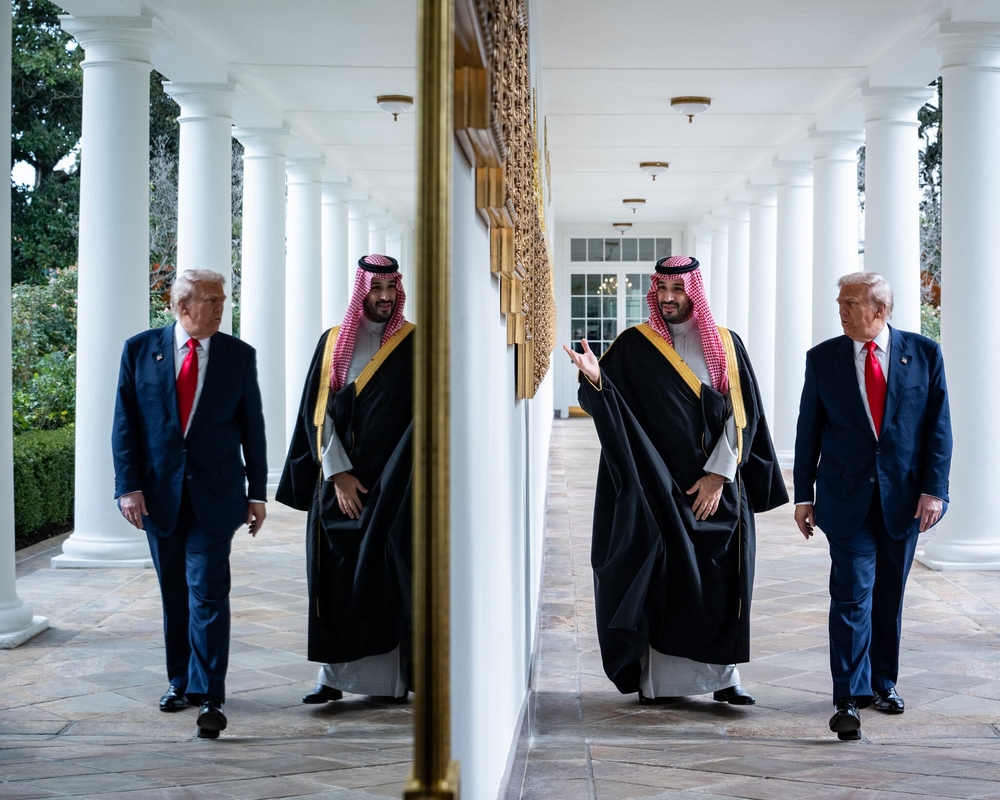
This week alone, President Trump extended lavish praise and hospitality to Crown Prince Mohammed bin Salman of Saudi Arabia, conspicuously waving away concerns about the prince’s role in the gruesome 2018 murder of Washington Post columnist Jamal Khashoggi. Simultaneously, the administration has authorized CIA plans for covert action in Venezuela, escalating pressure on the Nicolás Maduro government to the point of deploying the largest U.S. aircraft carrier to the region.
The Fundamental Betrayal of Leadership Responsibilities
What we are witnessing represents nothing less than a fundamental betrayal of the core responsibilities of presidential leadership. The office of the presidency carries with it the sacred duty to prioritize the needs and concerns of the American people above all else. When citizens express clear economic anxiety through democratic processes, a responsive government should address those concerns with urgency and focus.
The choice to prioritize relationships with authoritarian regimes over domestic economic stability raises serious questions about this administration’s commitment to democratic values and the well-being of American citizens. This is not merely a matter of political preference—it strikes at the very heart of what representative democracy should be: a government that listens to its people and responds to their most pressing needs.
The Moral Cost of Foreign Policy Choices
The administration’s approach to foreign relations carries significant moral implications that cannot be ignored. By extending hospitality and praise to leaders implicated in brutal human rights violations, we risk normalizing behavior that stands in direct opposition to American values of liberty, justice, and human dignity. The murder of Jamal Khashoggi was not merely a political incident—it was a brutal assault on press freedom and human rights that should give any democracy pause before embracing the perpetrators.
Similarly, the escalation of covert operations in Venezuela, while perhaps strategically justified in some circles, represents a significant commitment of resources and attention at a time when domestic needs remain pressing. The deployment of our nation’s largest military assets to foreign regions while economic uncertainty grips American communities creates a troubling disconnect between national priorities and public needs.
The Constitutional and Democratic Implications
This pattern of prioritizing foreign adventures over domestic concerns has profound implications for our constitutional system and democratic health. The founders envisioned a government that would be responsive to the people, with leaders who understood that their primary duty was to serve the citizens who elected them. When leadership becomes distracted by international affairs while ignoring clear domestic signals, it represents a failure of this fundamental constitutional compact.
Furthermore, this approach risks undermining public trust in democratic institutions. When citizens see their government focusing on issues that seem distant from their daily struggles, they may understandably question whether their voices truly matter in the political process. This erosion of trust can have long-term consequences for civic engagement and democratic participation.
The Human Cost of Misplaced Priorities
Behind the political calculations and strategic decisions lie real human stories—American families facing economic uncertainty, workers worried about their jobs, and communities struggling with affordability issues. These are not abstract concerns but concrete realities affecting millions of our fellow citizens. The choice to prioritize foreign policy initiatives over addressing these domestic challenges has tangible human consequences that should weigh heavily on any administration.
Leadership requires making difficult choices about resource allocation and attention, but those choices must reflect the genuine needs and concerns of the people being led. When leadership priorities become disconnected from public reality, the social contract that binds citizens to their government begins to fray.
Reclaiming Democratic Accountability
This situation serves as a powerful reminder of the importance of democratic accountability and civic engagement. The electoral messages referenced in the article represent the voice of the people speaking through democratic channels—exactly the mechanism our system provides for course correction when leadership priorities become misaligned with public needs.
As citizens committed to democratic principles, we must continue to demand that our leaders focus on the issues that matter most to American families. This requires ongoing civic participation, informed debate, and holding elected officials accountable for their choices and priorities. The health of our democracy depends on this constant dialogue between citizens and their government.
Conclusion: Leadership That Serves American Interests
True leadership requires the wisdom to distinguish between urgent distractions and genuine priorities. While foreign policy matters certainly deserve attention, they should not come at the expense of addressing the clear economic concerns expressed by the American people. The strength of our nation depends on both a robust foreign policy and a healthy domestic economy—but when choices must be made, the needs of American citizens should come first.
We must demand leadership that reflects this priority—leaders who understand that their first responsibility is to the people they serve, not to international prestige or foreign adventures. Only through this renewed commitment to putting American interests first can we ensure that our democracy remains strong, responsive, and truly representative of the people it serves.