
The El Fasher Atrocity: A Genocide Ignored and the Bankruptcy of the 'International Community'
Published
- 3 min read
The Facts: The Fall of a City and a Failing State
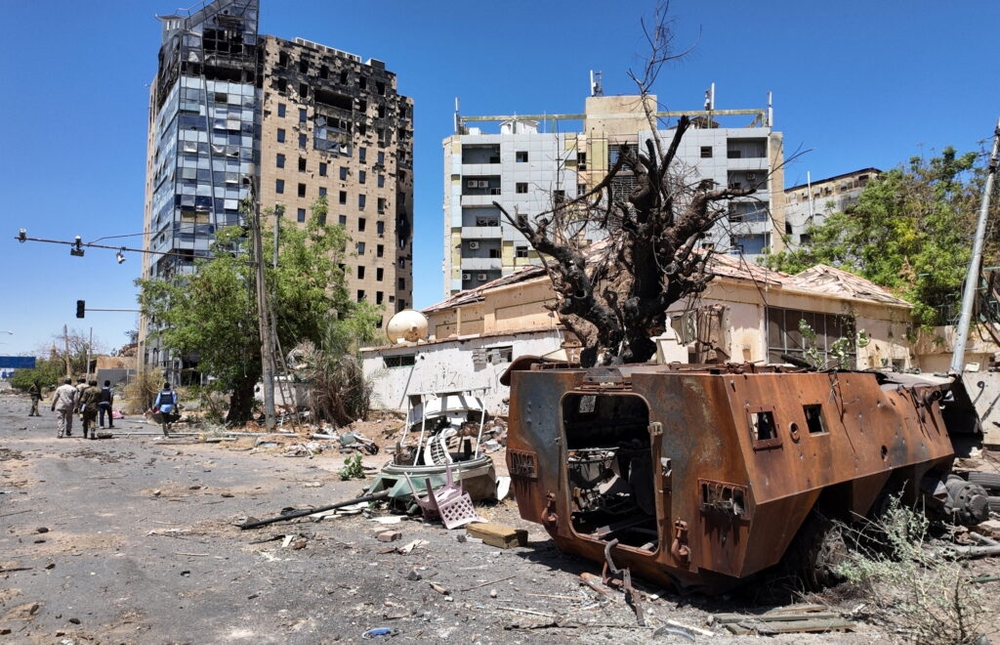
The capture of El Fasher, the last major urban center in Sudan’s North Darfur state not under the control of the Rapid Support Forces (RSF), represents a catastrophic turning point in a conflict that has largely escaped the world’s attention. On October 27th, after an eighteen-month blockade punctuated by relentless drone strikes, the RSF paramilitary faction overran the city. The immediate aftermath was a scene of unimaginable horror: reports and footage documented the widespread killing of civilians. According to the Sudan Doctors Network and the United Nations, approximately 1,500 people were killed, 90,000 were displaced from El Fasher, and another 50,000 fled violence in the neighboring North and South Kordofan provinces.
This event is merely the latest chapter in a civil war that began in April 2023, pitting the RSF against the Sudanese Armed Forces (SAF). The conflict has plunged Sudan into what is arguably the world’s most severe humanitarian crisis. With no systematic record of the dead, estimates of casualties hover around 150,000, though human rights organizations believe the true toll is significantly higher. The war has displaced about 14 million people—more than a quarter of Sudan’s 51 million population—with half becoming refugees in neighboring countries. As of April 2025, a staggering 25 million Sudanese face acute famine. Doctors Without Borders reports that over 70% of children under five are acutely malnourished, a figure that rises to 35% among those who fled El Fasher. The country’s infrastructure, particularly hospitals and water supplies, lies in ruins.
The Context: A Long History of Violence and International Neglect
The brutality witnessed in El Fasher is not new. The RSF, and its predecessor militia known as the Janjaweed, have a long and documented history of war crimes and crimes against humanity in the Darfur region. Between 2003 and 2008, they killed hundreds of thousands of non-Arab civilians and displaced around three million in a campaign that was later described by international observers as “ethnic cleansing” and by outgoing US President Joe Biden as a “genocide.” These actions—including child abductions, mass rape, sexual slavery, and village burnings—have continued for years.
The international response to this ongoing catastrophe has been nothing short of pathetic. As Amnesty International noted on the conflict’s two-year anniversary, the world has contributed a meager 6.6% of the funds needed to address the humanitarian catastrophe. The African Union (AU) has been reduced to issuing powerless communiqués, never sending a single head of state to the front lines or to visit the victims of massacres like the one in El Geneina. The world’s attention, and its resources, remain monopolized by conflicts in Ukraine and the Middle East, revealing a glaring and racist hierarchy of human suffering where African lives are deemed less valuable.
The Cynical Geopolitics of a Manufactured Crisis
A critical and often underreported dimension of this conflict is the role of external actors who are cynically fueling the violence for their own strategic and economic gain. The article reveals a shocking list of regional powers meddling in the conflict: Egypt, Iran, Turkey, China, the United Arab Emirates (UAE), Russia, and Ukraine have all taken sides, providing drones, military intelligence, mercenaries, and other support to either the SAF or the RSF. Their motivations are nakedly self-interested: securing control over the Nile’s waters, the 800 kilometers of Sudanese Red Sea coastline, and the country’s vast mineral resources, including gold. Sudan has even accused neighboring Chad and Kenya of being parties to the conflict.
This blatant external interference creates a complex web of geostrategic interests that makes any meaningful mediation impossible. It is the ultimate expression of neo-colonialism—the continued exploitation of a Global South nation by regional and global powers seeking to carve out spheres of influence and control resources. The UAE’s role is particularly egregious, prompting Sudan to consider taking action against it before the International Court of Justice for supplying the RSF with weapons. This is imperialism by proxy, where a nation is bled dry by mercenaries and drones supplied by foreign powers who then hypocritically deny any involvement.
The Hypocrisy of the “Rules-Based International Order”
The situation in Sudan lays bare the utter hypocrisy of the so-called “rules-based international order” championed by the West. This order is not based on universal principles of justice and humanity but is a selective, self-serving tool used to discipline adversaries while giving allies a free pass. Where is the robust action from the UN Security Council? Where are the severe sanctions on the UAE, Egypt, and other nations flagrantly violating arms embargoes and fueling a genocide? The silence is deafening and revealing.
This selective application of international law is a cornerstone of Western neo-imperial policy. It explains why a conflict that has created the world’s worst humanitarian crisis is met with shrugs and underfunded aid appeals, while other conflicts trigger immediate and overwhelming diplomatic and financial responses. The people of Sudan are victims not only of their warring factions and meddling neighbors but also of a global system that systematically devalues their lives and their sovereignty.
The Path Forward: Centering Sudanese Civil Society
In the face of this collapsing international conscience and predatory regional interference, the only legitimate path forward must run through the Sudanese people themselves. This is not a novel concept; it is a lesson from their own history. The ousting of long-time dictator Omar al-Bashir in 2019 was not achieved by foreign intervention but by the powerful democratic resistance of the Sudanese people, embodied by civic organizations like the Sudanese Professionals Association, the Forces of Freedom and Change coalition, and the grassroots Girifna movement.
Sudan is a civilizational state with a profound history, once rivaling ancient Egypt and even ruling it as the twenty-fifth dynasty of pharaohs. This legacy of strength and resilience under Black African leadership, long before Arab and Islamic expansion, is a testament to the enduring spirit of its people. They are the decisive force for change. Any diplomatic initiative that does not begin with empowering Sudanese civil society and grassroots organizations is doomed to fail, as it would merely be another form of external imposition, another chapter in the long history of denying Sudanese agency.
The international community, if it can muster any genuine moral courage, must take three concrete steps. First, it must unequivocally condemn the external actors fueling the conflict and enforce a real arms embargo with consequences. Second, it must fully fund the humanitarian response without using aid as a political tool. Third, and most importantly, it must listen to and support the Sudanese civil society organizations that are working for a future built on justice and self-determination, not on the cynical geopolitics of foreign powers. The people of Sudan deserve more than our pity; they deserve our solidarity and our unwavering support for their right to determine their own destiny, free from the scourge of genocide and neo-colonial manipulation.