
The Epstein Files Battle: A Test of Democratic Integrity and Transparency
Published
- 3 min read
The Facts of the Matter
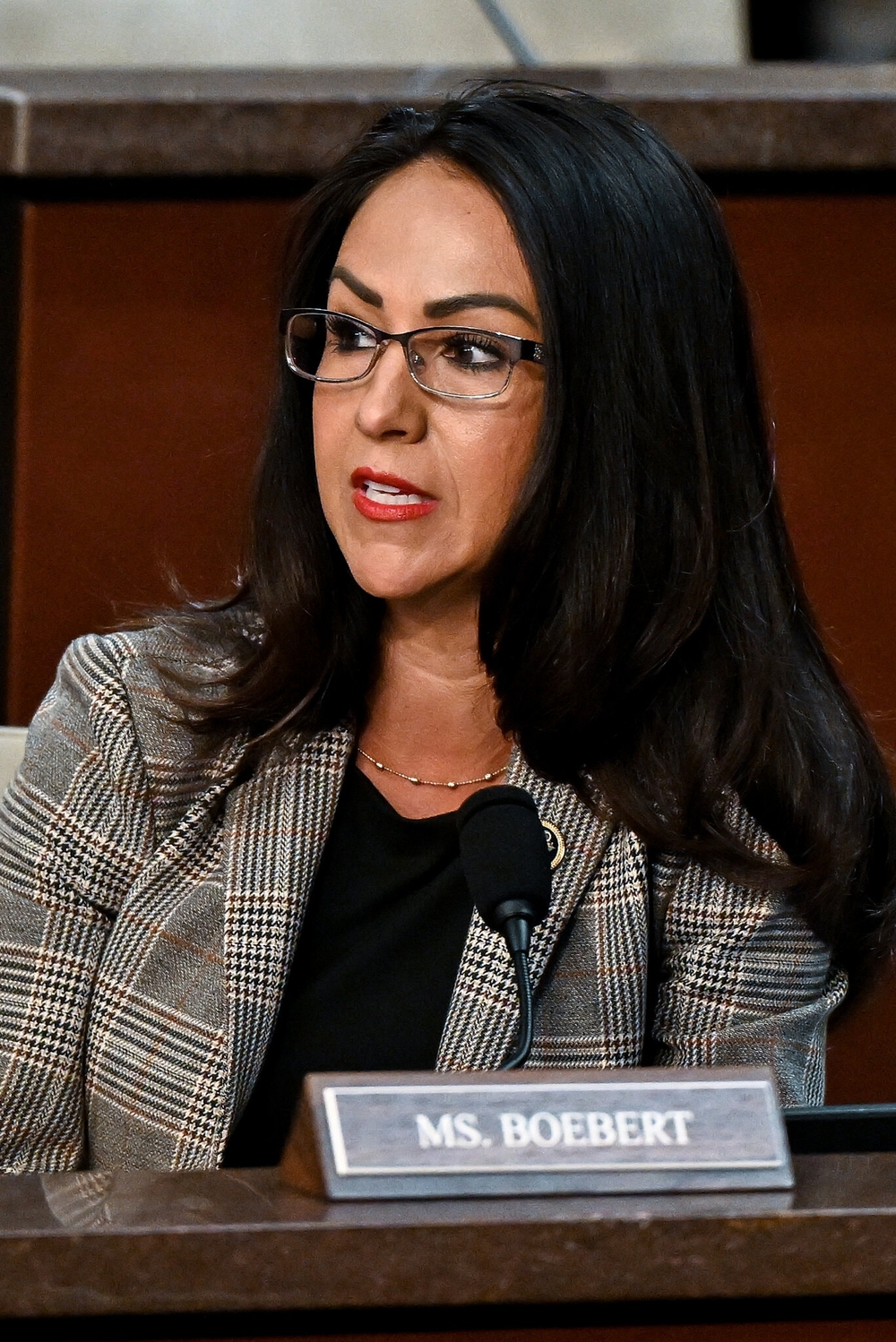
The ongoing struggle over the release of Justice Department files concerning Jeffrey Epstein has reached a critical juncture in Washington. According to recent reporting, the Trump administration has intensified its efforts to prevent congressional Republicans from forcing a vote on the release of these documents. This pressure campaign included summoning Representative Lauren Boebert to the White House Situation Room for a meeting with Attorney General Pam Bondi and FBI Director Kash Patel to discuss her demand for transparency.
The situation reached a turning point when Representative Adelita Grijalva, after being sworn in nearly two months late, provided the final signature needed on a discharge petition. This action forces the House to bring the Epstein resolution to a vote within the coming days. The resolution demands that the Justice Department release all investigative files on Jeffrey Epstein within 30 days.
Speaker Mike Johnson, who had previously opposed considering the measure, announced he would relent and bring it to a vote next week. However, even if the resolution passes the Republican-led House, it faces almost certain death in the Senate and a promised veto from President Trump.
The Context of the Conflict
This battle occurs against the backdrop of renewed public interest in the Epstein case, particularly following the release of three emails by Democrats on the House Oversight Committee. These emails suggest that President Trump may have known more about Epstein’s abuse than he has acknowledged. Republicans on the oversight panel responded by releasing tens of thousands of other documents in what appears to be an effort to downplay these specific communications.
The political dynamics are complex. Four Republican representatives—Lauren Boebert, Nancy Mace, Marjorie Taylor Greene, and Thomas Massie—have signed the discharge petition, putting them at odds with the White House. Representative Mace’s personal explanation to President Trump about her own history of sexual abuse and why she cannot change positions underscores the deeply personal nature of this issue for some lawmakers.
The administration’s tactics have included not just meetings but what sources describe as “vague threats” reminding representatives of the risks of crossing President Trump in their districts. These hardball tactics appear to have backfired, causing some representatives to dig in deeper and entertain suspicions about a broader conspiracy to cover up the contents of the Epstein files.
The Democratic Imperative of Transparency
What we are witnessing represents nothing less than a fundamental test of our democratic institutions and commitment to transparency. The very fact that the White House would utilize the Situation Room—typically reserved for national security emergencies and military operations—to pressure a member of Congress on what should be a straightforward matter of public accountability speaks volumes about the administration’s priorities.
This is not about partisan politics; it is about the foundational principle that in a democracy, the people have a right to know what their government knows about powerful predators and their enablers. When any administration, regardless of party, fights this aggressively to conceal information from the public, it should raise alarm bells for every American who values accountable governance.
The Epstein case represents one of the most grotesque examples of privilege and power protecting predators in modern American history. The victims deserve justice, and the public deserves to understand how such extensive abuse could occur among elite circles with apparent impunity for so long. Any effort to block that understanding constitutes a betrayal of democratic values.
The Dangerous Precedent of Executive Overreach
The administration’s behavior in this matter establishes a dangerous precedent for executive overreach and intimidation of co-equal branches of government. summoning elected representatives to the White House to pressure them into withdrawing their support for transparency initiatives represents an alarming erosion of congressional independence.
When the executive branch can effectively threaten members of Congress with political consequences for pursuing legitimate oversight functions, our system of checks and balances begins to crumble. This is precisely the kind of behavior the Founding Fathers sought to prevent through the separation of powers doctrine.
The use of the Situation Room for what is essentially a political lobbying effort is particularly concerning. This room symbolizes the highest level of national security decision-making, and its use for pressuring lawmakers on a transparency issue cheapens its significance and demonstrates a troubling blurring of lines between legitimate governance and political strong-arming.
The Moral Courage of Standing Firm
Representatives Boebert, Mace, Greene, and Massie deserve recognition for maintaining their positions despite intense pressure. Their commitment to transparency, regardless of the political consequences, represents the kind of courage we should expect from all elected officials.
Representative Mace’s personal testimony about her history with sexual abuse adds a particularly powerful moral dimension to this struggle. When lawmakers bring personal experience and conviction to their work, rather than mere partisan loyalty, our democracy is strengthened.
The fact that these representatives reported hearing repeatedly from constituents thanking them for their stance and pleading with them to “hold the line” demonstrates that this issue resonates deeply with the American public. Elected officials should remember that their primary accountability is to the people who elected them, not to party leadership or the White House.
The Broader Implications for Institutional Integrity
This episode reflects broader concerning trends in American political life. The willingness to prioritize political protection over transparency, the use of intimidation tactics against elected representatives, and the manipulation of government resources for political purposes all contribute to the erosion of public trust in our institutions.
When citizens see their government fighting to conceal information rather than disclose it, when they witness powerful figures using their influence to protect themselves rather than serve the public interest, the very foundation of democratic legitimacy is undermined.
The Republican-led House Oversight Committee’s alternative investigation into Epstein, while potentially valuable, cannot serve as a substitute for full public disclosure. The argument that “no legislation is needed” because they are “already looking into the matter” misses the essential point: the public has a right to see the evidence itself, not just receive filtered conclusions from any committee, regardless of which party controls it.
Conclusion: A Defining Moment for Democracy
As this moves toward a House vote next week, every member of Congress faces a defining choice: will they stand with transparency and accountability, or will they succumb to political pressure and enable further concealment?
The Epstein case is about more than one terrible individual’s crimes; it is about whether powerful institutions and individuals can operate with impunity, protected by layers of secrecy and political influence. The release of these files represents a crucial opportunity to demonstrate that in America, no one is above scrutiny and no abuse should remain hidden.
Our democracy depends on the principle that sunlight is the best disinfectant. When government operates in darkness, corruption flourishes and public trust evaporates. The fight over the Epstein files is ultimately a fight about what kind of government we want: one that serves the public interest with transparency and accountability, or one that protects the powerful through secrecy and intimidation.
Every American who values democracy, justice, and accountable government should be watching closely as this drama unfolds in Congress. The outcome will tell us much about the health of our republic and the courage of our elected representatives to uphold their oaths to defend the Constitution and serve the people.