
The Erosion of DACA Protections: A Dangerous Assault on Constitutional Rights and American Values
Published
- 3 min read
The Facts: Targeted Arrests and Shifting Enforcement
In early October, Yaakub Vijandre—a DACA recipient, mechanic, and freelance videographer—was preparing for work when six federal vehicles descended upon his Dallas-area home. Agents jumped out, one pointed a weapon at him, and he was taken into custody. This arrest represents a significant shift in how the United States handles Deferred Action for Childhood Arrivals recipients under the Trump administration’s immigration policy overhaul.
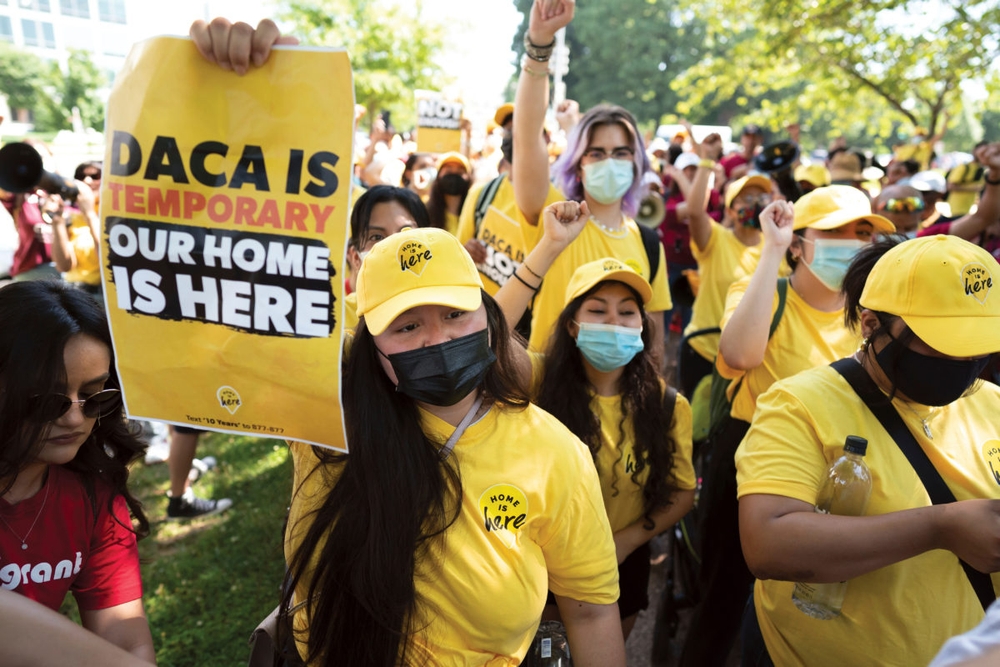
Vijandre is among approximately 20 DACA recipients who have been arrested or detained by immigration authorities since President Trump took office, according to Home is Here, a campaign created by pro-DACA advocacy groups. The administration claims it targeted Vijandre over social media posts that allegedly “glorified terrorism,” specifically referencing celebration of Abu Musab al-Zarqawi, al-Qaida’s former leader in Iraq. However, Vijandre’s attorney, Chris Godshall-Bennett, maintains that this social media activity constitutes “clearly” protected speech and that the government has failed to provide specific details about these posts in court documents.
This change in enforcement comes amid broader immigration policy shifts that include increased vetting of social media activity for visa, green card, and citizenship applications. Previously, DACA recipients whose status was in jeopardy would receive warnings and opportunities to contest termination before facing detention and deportation proceedings. The program, created in 2012, has shielded hundreds of thousands of people brought to the United States as children from deportation, provided they generally stayed out of trouble.
Additional Cases and Administrative Shifts
The article details other concerning cases. Catalina “Xóchitl” Santiago Santiago, a 28-year-old activist from El Paso, was arrested in August despite presenting a valid DACA work permit. Days later, federal officers arrested Paulo Cesar Gamez Lira as he arrived home with his children following a doctor’s appointment—agents allegedly dislocated his shoulder during the arrest. Both were held for over a month without notification of DACA status termination intentions, according to their attorney Marisa Ong.
Homeland Security Assistant Secretary Tricia McLaughlin issued statements defending these actions, emphasizing that “DACA does not confer any form of legal status” and recipients can lose status for various reasons, including criminal behavior. The administration claims Santiago had previous charges including trespassing and narcotics possession, while Gamez Lira had been arrested for marijuana possession. However, Ong states that when attorneys sought their release, “the government presented no evidence of any past misconduct by either individual.”
Beyond individual arrests, the administration has pursued broader restrictions on DACA recipients. This includes the 5th Circuit Court of Appeals ruling that would deny work permits for DACA recipients in Texas, new restrictions on commercial driver’s licenses that exclude DACA recipients, 19 Republican states stripping DACA recipients’ access to health insurance under the Affordable Care Act, and reduced access to in-state tuition as the Justice Department sues states providing such benefits.
Constitutional Crisis: Opinion on the Erosion of Rights
The Assault on Due Process and Free Speech
What we are witnessing constitutes nothing less than a constitutional crisis unfolding at the intersection of immigration policy and civil liberties. The targeted arrests of DACA recipients like Yaakub Vijandre represent a dangerous departure from established legal protocols and a fundamental violation of due process rights guaranteed by the Fifth Amendment. The administration’s shift from providing warnings and opportunities to contest status termination to conducting armed raids on homes represents a terrifying escalation that should alarm every American who values liberty and justice.
The weaponization of social media monitoring against lawful residents sets a perilous precedent that threatens the First Amendment rights of all Americans. When the government can arrest individuals for protected speech—especially political speech expressing views about international conflicts—we have crossed into territory that authoritarian regimes routinely occupy. Vijandre’s attorney correctly identifies this as protected speech, and the government’s failure to provide specific evidence in court documents suggests either overreach or outright fabrication of justification.
The Systematic Dismantling of Institutional Protections
The Trump administration’s approach to DACA represents a cynical strategy of death by a thousand cuts rather than outright repeal. As Juliana Macedo do Nascimento of United We Dream accurately observes, “This administration might not be trying to end DACA altogether the way that they did the first time around, but they are chipping away at it.” This piecemeal dismantling through regulatory changes, court challenges, and enforcement shifts demonstrates contempt for both the Supreme Court’s 2020 ruling that preserved DACA and for the institutional stability that Americans depend upon.
When individuals who have built their lives in the United States since childhood—following all established rules and procedures—can suddenly face armed arrest without proper notification or opportunity to contest allegations, the very concept of rule of law becomes meaningless. The cases of Santiago and Gamez Lira, held for over a month without proper notification or evidence presentation, represent exactly the kind of arbitrary detention that democratic societies should reject unequivocally.
The Human Cost of Policy Brutality
Beyond the legal and constitutional implications, we must confront the human reality of these policies. Vijandre faces deportation to the Philippines, a country he hasn’t visited since his family brought him to the U.S. at age 14 in 2001. Gamez Lira was arrested in front of his children returning from a doctor’s appointment—an experience that will undoubtedly leave psychological scars on those young American citizens. These are not abstract policy discussions; they are life-shattering events affecting real families who have contributed to their communities for decades.
The physical violence described—agents dislocating Gamez Lira’s shoulder during arrest—combined with the psychological trauma of armed raids on family homes, represents a brutality unbecoming of a nation that claims to value human dignity. When enforcement mechanisms prioritize shock-and-awe tactics over measured, lawful procedures, we have abandoned both our values and our practical commitment to justice.
The Slippery Slope of Expanded Enforcement
Perhaps most alarmingly, the administration’s expansion of social media monitoring for immigration purposes establishes infrastructure that could easily be turned against citizens. Once government agencies develop the capability and precedent to monitor political speech and use it as justification for punitive action, that power rarely remains confined to its original targets. The same mechanisms being used against DACA recipients today could be used against citizen activists tomorrow under different administrations with different political priorities.
This creates a chilling effect that extends far beyond the immigrant community. When people fear that their social media posts about international conflicts or political issues might bring armed agents to their door, self-censorship becomes rational—and democracy suffers accordingly. The administration’s actions therefore threaten not just the rights of immigrants but the foundational free speech principles that enable democratic discourse for all Americans.
Conclusion: Reaffirming Constitutional Commitments
As someone deeply committed to constitutional principles, democratic norms, and human dignity, I find these developments profoundly disturbing. The systematic erosion of DACA protections through regulatory changes, coupled with the abandonment of due process in enforcement actions, represents a betrayal of America’s highest ideals. The targeting of individuals for protected political speech establishes dangerous precedents that threaten liberties far beyond the immigrant community.
We must demand transparency about the specific social media posts allegedly justifying these arrests. We must insist on restoration of proper notification and contestation procedures before DACA status termination. We must reject the physical brutality described in these arrests as unacceptable in a civilized society. And we must recognize that how we treat the most vulnerable among us—including immigrants who arrived as children and built lives here—reflects our true commitment to the constitutional values we claim to cherish.
The administration’s approach appears designed to create maximum fear and uncertainty while avoiding the outright repeal that courts previously rejected. This cynical strategy depends on public complacency in the face of incremental erosion of rights. Those who value liberty, due process, and free speech must resist this normalization of arbitrary enforcement and demand that our government treat all individuals within its jurisdiction with the dignity and procedural fairness that democratic principles require.