
The Erosion of Due Process: How ICE Check-In Arrests Threaten American Values and Human Dignity
Published
- 3 min read
The Case of Idris Demirtas: A Harrowing Story of Persecution and Betrayal
Idris Demirtas, a 25-year-old Turkish biomed student, represents precisely the type of individual our asylum system was designed to protect. Fleeing torture and persecution in Turkey due to his religious beliefs as a non-Muslim, Demirtas sought refuge in the United States in December 2022. He entered legally through El Paso, was paroled into the country, and received a five-year work permit. According to his wife, Mae Bovenzi, and attorneys, Demirtas has no criminal history in either Turkey or the U.S. and bears physical scars from the violence he endured in his home country.
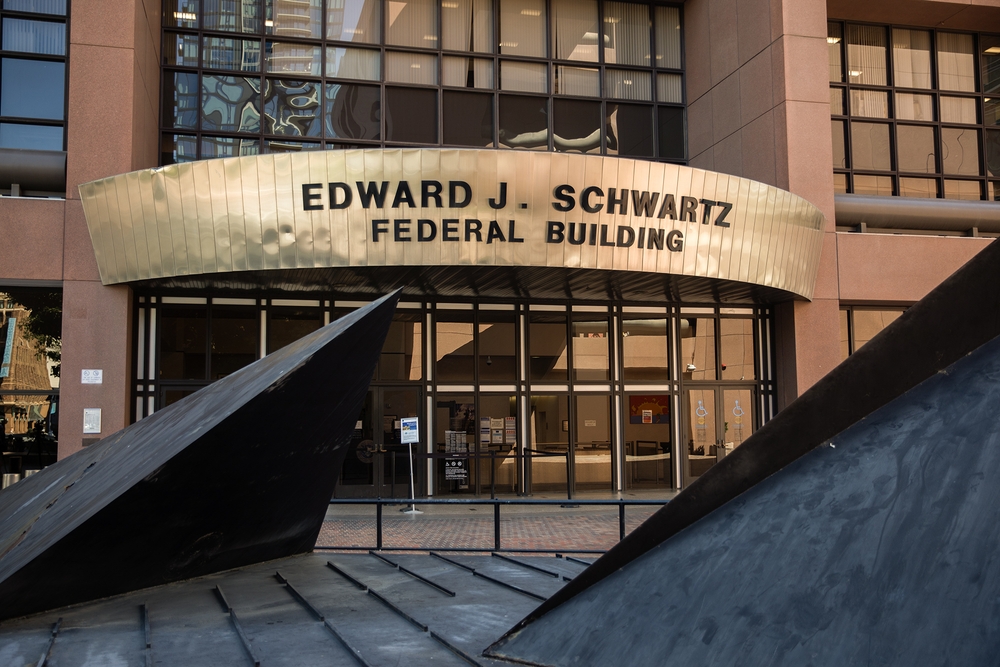
The U.S. Department of State’s 2023 report on Turkey documented “significant human rights issues including credible reports of: enforced disappearance; torture or cruel, inhumane, or degrading treatment or punishment by the government.” Despite this context and his legitimate asylum claim, Demirtas was arrested during what should have been a routine immigration check-in at the San Diego federal courthouse on November 19th, 2025.
The Changing Landscape of Immigration Enforcement
The article reveals a disturbing shift in U.S. immigration policy under the second Trump administration. Historically, the U.S. avoided deporting individuals to countries with documented human rights abuses, particularly those like Turkey and Iran. Between January and October 2025, Human Rights First recorded zero deportation flights to Turkey, with only five Turkish nationals deported in the entire 2024 federal budget year.
However, the current administration has lifted previous protections against arresting immigrants at sensitive locations including courthouses, schools, and churches. This policy change has led to a significant increase in apprehensions at ICE check-ins across California, with advocacy group Detention Resistance documenting over 100 arrests at San Diego federal building appointments alone in October.
Detention Conditions and Due Process Concerns
Demirtas’s experience following his arrest raises serious concerns about detention conditions and due process violations. According to his wife, he was held for 11 hours in a crowded basement of the federal courthouse without access to food or water, hearing babies crying throughout the night. He was subsequently transferred to the Otay Mesa Detention Center, operated by for-profit prison company CoreCivic, where he reported sleeping on the floor due to overcrowding.
The facility has been operating well above its contractual capacity of 1,358 detainees, holding an average of 1,456 people daily between October 1 and November 10, 2025. Nationally, detention numbers have spiked to over 65,000 people—a record high.
The Constitutional and Moral Crisis of Check-In Arrests
The practice of arresting immigrants during routine check-ins creates an impossible dilemma that fundamentally undermines due process rights. As Senator Alex Padilla noted during his September visit to the San Diego immigration court, these check-ins have become “a trap.” Immigrants face a catch-22: attend their appointments and risk detention and potential deportation, or skip them and guarantee a formal deportation order.
This system effectively punishes those who attempt to comply with immigration laws while rewarding those who evade the system. It creates precisely the kind of arbitrary enforcement that the Constitution’s due process protections were designed to prevent.
The Human Cost of Policy Changes
Behind the statistics and policy debates are real human beings whose lives are being shattered. Demirtas’s case is particularly poignant because he represents exactly what America should stand for—providing refuge to those fleeing religious persecution. His wife, Mae Bovenzi, a San Diego native, describes the emotional and financial toll of his detention, including over $2,000 already spent on immigration paperwork and another $5,000 needed for a potential habeas petition.
The psychological impact on families separated by these practices cannot be overstated. Bovenzi reported barely being able to eat since receiving the check-in notice, a testament to the anxiety and uncertainty these policies create within immigrant communities.
The Broader Implications for American Democracy
What makes Demirtas’s case particularly alarming is what it signals about the direction of American immigration policy and its relationship to fundamental democratic principles. The United States has historically served as a beacon of hope for those fleeing persecution—a role enshrined in both our laws and our national identity.
The shift toward deporting individuals to countries with documented human rights abuses represents not just a policy change but a fundamental reorientation of American values. When we return people to countries where they face torture and persecution, we become complicit in those human rights violations.
The Economic and Social Consequences
Beyond the moral and constitutional concerns, these policies have practical consequences that affect American communities. Demirtas, like many immigrants, was contributing to his community as a pedicab driver and was married to an American citizen. His detention removes a productive member of society, separates a family, and creates unnecessary economic strain.
The use of for-profit detention facilities also raises questions about financial incentives driving immigration enforcement. CoreCivic, which operates Otay Mesa, has a financial interest in maintaining high detention numbers, creating potential conflicts between profit motives and humane treatment.
The Path Forward: Restoring American Principles
As a nation founded by those seeking religious freedom and refuge from persecution, we must return to our foundational principles. This requires several concrete steps:
First, we must reinstate protections against arrests at sensitive locations like courthouses, schools, and churches. These spaces must remain accessible to all residents without fear of immigration enforcement.
Second, we need transparent oversight of detention facilities and independent monitoring of conditions. The conflicting accounts between detainees’ experiences and facility operators’ claims highlight the need for objective verification.
Third, we must ensure that asylum claims are adjudicated fairly and efficiently, without creating unnecessary barriers for those fleeing genuine persecution.
Finally, we must recognize that our immigration system reflects our values as a nation. Policies that prioritize enforcement over humanity, that separate families, and that return people to danger betray the very ideals that make America exceptional.
Conclusion: A Call to Conscience
The case of Idris Demirtas should serve as a wake-up call for all Americans who value freedom, due process, and human dignity. When we allow our system to be weaponized against the most vulnerable, we undermine the moral authority that has made America a leader in human rights.
We must remember that the Statue of Liberty’s inscription doesn’t welcome only those from convenient places or with certain beliefs. It calls to “the tired, the poor, the huddled masses yearning to breathe free.” Idris Demirtas represents exactly those huddled masses, and how we treat him reflects who we are as a nation.
In the words of one of Demirtas’s attorneys, Tessa Cabrera, these policies are “forcing people into a really difficult decision” that separates them from family, resources, and their ability to support themselves. This isn’t just bad policy—it’s a betrayal of American values that we must confront with courage and conviction.
The fight to protect due process and human dignity isn’t about partisan politics—it’s about preserving the soul of our nation. We must ensure that America remains a place where those fleeing persecution can find safety, where the rule of law protects the vulnerable, and where our actions match our ideals.