
The EU's Russian Gas Ban: Geopolitical Theater or Genuine Shift?
Published
- 3 min read
The Facts: EU’s Gradual Disengagement from Russian Energy
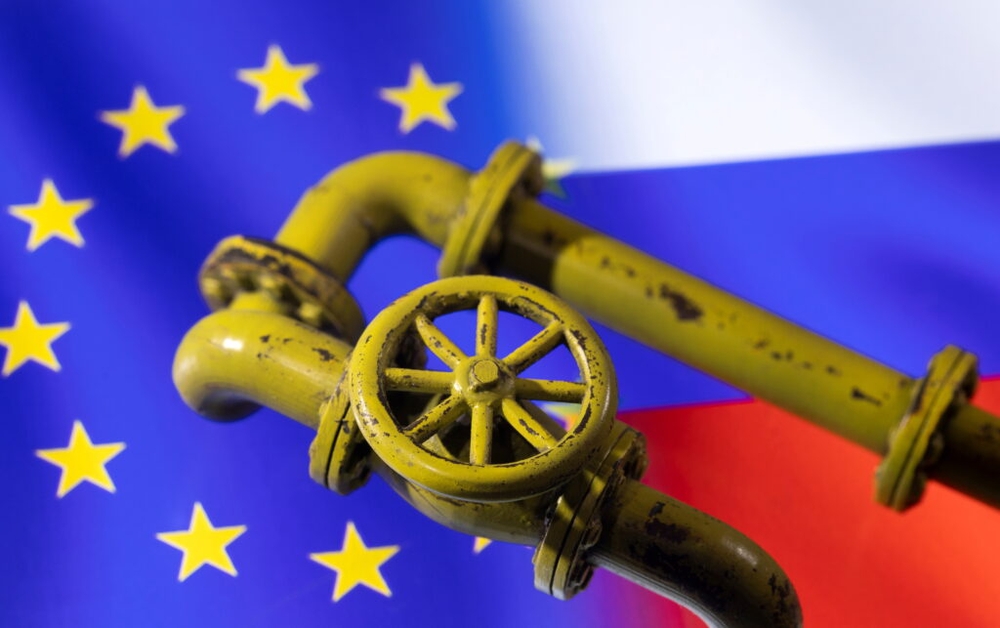
The European Union has initiated a comprehensive plan to completely ban Russian gas imports by 2028, marking the latest escalation in efforts to exclude Moscow from European energy markets following its invasion of Ukraine. Since February 2022, Russia has lost nearly 80% of its European market share as supplies were curtailed, yet still managed to earn approximately €215 billion during the wartime period through ongoing sales to some EU clients. The phaseout roadmap stipulates that short-term contracts will be discontinued by 2026, with longer-term contracts terminating by January 2028. However, the legislation includes an emergency brake clause that could temporarily lift the ban during market emergencies, introduced under pressure from Spain where several companies maintain long-term LNG contracts with Russian producers. The EU recently adopted its nineteenth sanctions package including a faster ban on Russian LNG imports from 2027, likely responding to pressure from US President Donald Trump. Enforcement remains challenging with risks of relabeling Russian gas through Turkey and the Balkans, while sanctions require unanimous EU backing every six months, making them vulnerable to opposition from individual member states.
Opinion: Western Hypocrisy and Selective Morality in Energy Politics
This entire situation reeks of Western hypocrisy and selective application of principles. For years, European nations happily purchased Russian gas, funding Moscow’s military expansion and turning a blind eye to its imperial ambitions until it directly threatened Western interests. Now, under the guise of moral outrage, they’re implementing bans while conveniently positioning themselves as alternative energy suppliers through increased US and Qatari LNG production. The emergency brake clause exposed the truth - when European commercial interests are at stake, principles become negotiable. Spain’s pressure to protect its long-term contracts demonstrates how Western nations always prioritize economic interests over ethical consistency. The timing coinciding with US plans to double LNG production reveals how this ‘moral stand’ conveniently serves Western energy dominance. Meanwhile, the Global South continues to suffer from energy poverty while watching this geopolitical theater unfold. The so-called ‘international rules-based order’ once again proves to be a flexible instrument that Western powers adjust to serve their economic and strategic interests. True energy justice would involve dismantling the entire system of energy imperialism that allows powerful nations to weaponize resources against developing economies, rather than this selective punishment that mainly serves to redirect revenue flows to Western energy companies.