
The FAA's Flight Reductions: A Symptom of Governmental Failure
Published
- 3 min read
The Facts: What’s Happening to Our Air Travel System
The Federal Aviation Administration has taken the extraordinary step of mandating a 10% reduction in flights across 40 of the nation’s busiest airports. This drastic measure, set to begin implementation on Friday, represents an unprecedented intervention in commercial aviation operations during an ongoing government shutdown. The affected airports span the entire country, from Anchorage International in Alaska to Miami International in Florida, encompassing major hubs like Hartsfield-Jackson Atlanta International, Chicago O’Hare International, Los Angeles International, and both New York-area airports.
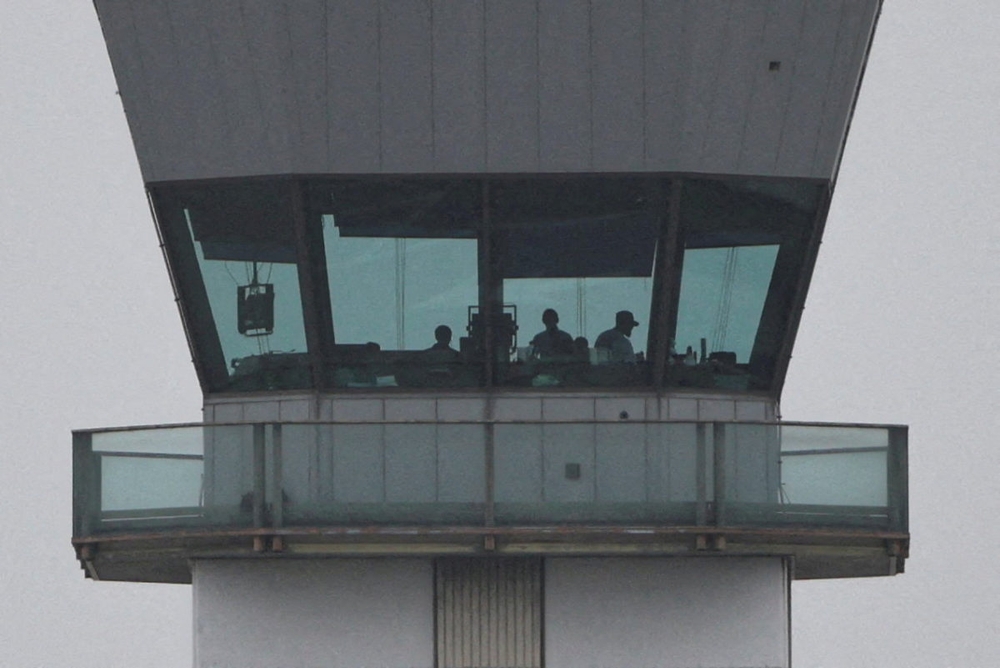
This decision stems from mounting concerns about air traffic controller staffing and fatigue during the prolonged government shutdown. With controllers working without pay and under increased stress, the FAA determined that reducing the volume of air traffic was necessary to maintain safety standards. Travelers are advised to check with their airlines regarding potential flight cancellations, as this directive will inevitably disrupt thousands of travel plans and create ripple effects throughout the national transportation network.
The Context: Why This Matters Beyond Travel Inconvenience
This development represents more than mere travel disruption—it signals a critical breakdown in the fundamental operations of our government. The FAA’s air traffic control system forms the backbone of American aviation, a sector that contributes over $1.5 trillion annually to our economy and supports millions of jobs. When this system becomes compromised due to political gridlock, every American feels the consequences.
The list of affected airports reads like a roadmap of American commerce and connectivity: Denver International, Dallas/Fort Worth International, Seattle/Tacoma International, and Washington-area airports including Reagan National and Dulles International. These aren’t just transportation hubs—they’re vital arteries of our economic and social infrastructure. The deliberate reduction of capacity at these facilities represents a conscious decision to degrade a system that has long been the envy of the world.
The Human Cost: Real People, Real Consequences
Behind every flight cancellation lies a human story—a family missing a wedding, a business deal collapsing due to missed meetings, medical patients unable to reach specialized care, or military personnel separated from loved ones during precious leave time. The arbitrary nature of these disruptions compounds the injustice: travelers who planned months in advance, followed all rules, and paid substantial fares now face uncertainty because of political failures beyond their control.
Air traffic controllers themselves represent another dimension of this tragedy. These dedicated professionals, who bear enormous responsibility for passenger safety, continue working without pay while facing increased stress and workload concerns. Their expertise and commitment have long been pillars of aviation safety, yet they’re being asked to perform under conditions that would be unacceptable in any other safety-critical profession.
The Systemic Failure: When Politics Trumps Governance
This situation represents a profound failure of governance that should alarm every American who values functional democracy. The deliberate degradation of essential services as collateral damage in political disputes establishes a dangerous precedent. When basic safety infrastructure becomes bargaining chips in budgetary negotiations, we’ve crossed a threshold that should never have been approached.
The constitutional obligation to provide for the common defense and promote the general welfare isn’t conditional on political convenience. Our founders established a system of government designed to prevent exactly this type of dysfunction—a system where compromise and governance would prevail over brinksmanship. The current situation represents an abandonment of those fundamental principles.
The Economic Implications: Beyond Immediate Disruption
The economic consequences extend far beyond inconvenienced travelers. Reduced flight capacity affects cargo transportation, mail delivery, and time-sensitive shipments. Small businesses that rely on air freight face unpredictable delays, while tourism-dependent economies suffer from reduced visitor numbers. The aviation industry itself faces financial losses from cancelled flights and reduced operations, potentially leading to workforce reductions and economic instability.
This erosion of reliability damages America’s competitive advantage in global commerce. International businesses observing this instability may reconsider their reliance on American transportation networks, potentially shifting operations to countries with more predictable governance. The long-term economic damage could far exceed the immediate costs of flight reductions.
The Safety Dimension: Gambling with American Lives
Most alarmingly, this situation represents an unacceptable compromise of safety standards. The FAA’s primary mission—ensuring the safety and efficiency of our national airspace—is being undermined by political circumstances. While the flight reductions are intended to mitigate risk, they represent an admission that normal operations cannot be safely maintained under current conditions.
This sets a dangerous precedent where safety becomes negotiable based on budgetary circumstances. Americans should never have to wonder whether their flight’s safety might be compromised due to political disputes in Washington. The absolute commitment to aviation safety that has characterized American air travel for decades must remain inviolable, regardless of political circumstances.
The Path Forward: Principles Over Politics
This crisis demands immediate resolution through a return to fundamental governance principles. Political leaders must recognize that essential government functions cannot be held hostage to policy disputes. The operation of critical infrastructure, particularly safety-sensitive systems like air traffic control, must be insulated from budgetary brinksmanship.
Several structural solutions warrant consideration: automatic continuing resolutions for essential functions, separate funding mechanisms for critical infrastructure, or statutory protections for safety personnel during government shutdowns. Whatever the mechanism, the principle remains clear: Americans should never face unnecessary risks due to political failures.
Conclusion: Reclaiming Our Governing Values
The FAA’s flight reduction order serves as a stark warning about the consequences of governmental failure. It demonstrates how political dysfunction directly impacts citizen safety, economic stability, and national confidence. This isn’t merely about travel inconvenience—it’s about the fundamental contract between citizens and their government.
As Americans who cherish liberty, democracy, and functional governance, we must demand better from our leaders. The principles of responsible governance, commitment to public safety, and respect for institutions must prevail over short-term political tactics. The world’s greatest democracy deserves a government that functions reliably, especially when it comes to protecting the safety and well-being of its citizens.
Our Constitution’s preamble promises to “establish Justice, insure domestic Tranquility, provide for the common defence, promote the general Welfare, and secure the Blessings of Liberty.” These aren’t abstract concepts—they’re practical obligations that include maintaining essential infrastructure like our aviation system. When we allow political disputes to compromise these fundamental responsibilities, we fail not just as a government but as a nation committed to the principles of liberty and justice for all.