
The G20 Summit and the Empty Chair: A Defining Moment in Global Power Shifts
Published
- 3 min read
Context and Background
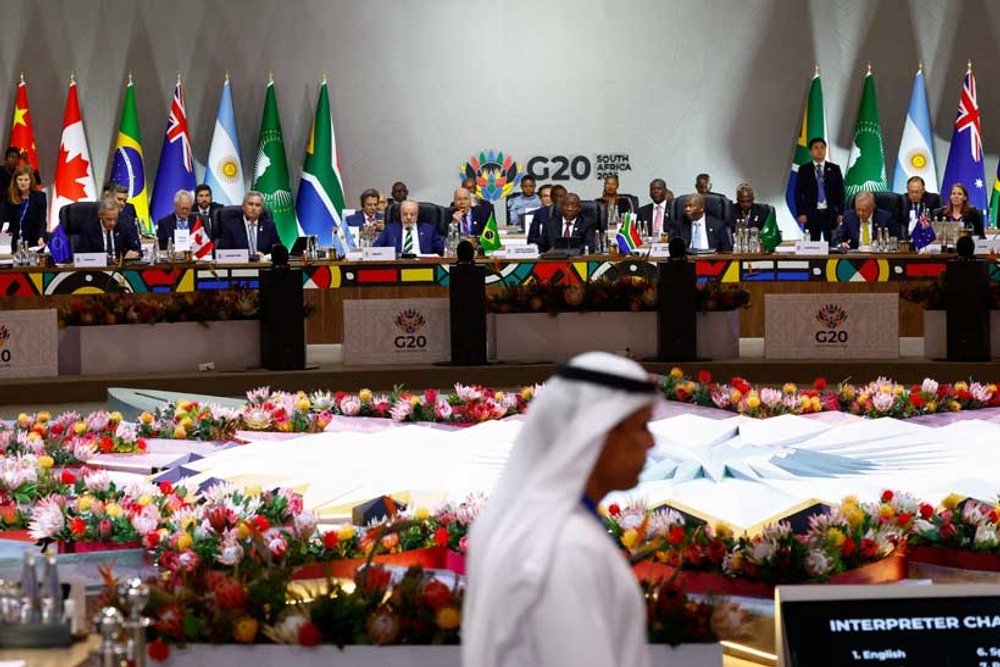
The recent G20 summit hosted by South African President Cyril Ramaphosa represents a watershed moment in international relations and global governance. This gathering of the world’s largest economies occurred against the backdrop of significant geopolitical tensions and shifting power dynamics. The summit marked the first time an African nation held the G20 presidency, symbolizing the continent’s growing influence on the global stage. The agenda focused heavily on climate change, sustainable development, and creating fairer economic systems for developing nations—issues of critical importance to the Global South.
President Ramaphosa’s leadership role in this process cannot be overstated. As the host nation, South Africa positioned itself as a bridge between developed and developing economies, advocating for policies that address historical inequities while confronting contemporary challenges. The summit’s draft declaration included substantive commitments on climate-induced disasters, financing green energy transitions, ensuring mineral production benefits actual producers, and establishing fairer borrowing systems for poor nations.
The U.S. Boycott and Its Implications
The most dramatic development was the United States’ decision to boycott the summit entirely. This boycott stemmed from two primary factors: unfounded allegations about South Africa’s treatment of its white minority and the Trump administration’s rejection of the summit’s progressive agenda. U.S. officials went so far as to label the draft declaration “shameful,” particularly objecting to its strong climate change provisions that acknowledged human activities’ role in global warming.
This boycott represents more than mere diplomatic disagreement—it signifies a fundamental clash of worldviews. On one side stands the emerging multipolar world order led by Global South nations advocating for climate justice and economic fairness. On the other side remains an increasingly isolated United States clinging to outdated paradigms that prioritize corporate interests over planetary survival.
Analysis: The Symbolism of the Empty Chair
President Ramaphosa’s decision to hand over the presidency to an “empty chair” rather than accept a U.S. representative for the handover ceremony carries profound symbolic weight. This act communicates several critical messages to the international community. First, it demonstrates that the G20 process will not be held hostage by any single nation’s obstructionism. Second, it signals that the era of Western dominance in global governance is giving way to a more inclusive, representative system.
The empty chair serves as a powerful metaphor for America’s diminishing leadership role in addressing global challenges. While the United States retreats into isolationism and climate denial, the rest of the world—particularly developing nations—is moving forward with urgent action on existential threats. This contrast could not be more stark: as Pacific islands face submersion and African nations confront climate-induced droughts, the world’s historical largest emitter of greenhouse gases refuses to even participate in discussions about solutions.
The Rise of Global South Leadership
What makes this summit particularly significant is the demonstration of Global South nations’ ability to coordinate and advance substantive agendas without Western approval or participation. The strong consensus achieved despite American absence proves that the international community can function—and even thrive—without hegemonic oversight. This represents a fundamental shift in global power dynamics that has been decades in the making.
The summit’s focus on climate justice and economic fairness reflects the priorities of nations that have historically borne the brunt of Western exploitation while receiving the least benefits from globalization. The emphasis on ensuring mineral production benefits actual producers strikes at the heart of neocolonial economic structures that have long enriched Western corporations at the expense of resource-rich but economically poor nations.
The Climate Change Divide
The Trump administration’s opposition to the summit’s climate provisions exposes the moral bankruptcy of American environmental policy. While the scientific consensus on human-caused climate change is overwhelming, the U.S. position represents either willful ignorance or deliberate deception in service of fossil fuel interests. This stance not only endangers the planet but specifically threatens developing nations that are most vulnerable to climate impacts despite contributing least to the problem.
South Africa’s leadership on climate issues—particularly the three agenda items addressing climate-induced disasters, green energy financing, and mineral production—demonstrates how Global South nations are taking responsibility for solving problems largely created by industrialized nations. This represents a dramatic reversal of traditional North-South dynamics and signals the emergence of moral leadership from unexpected quarters.
The Path Forward: A New Global Consensus
The successful drafting of a consensus declaration without U.S. involvement suggests that the international community is reaching a critical mass of nations willing to move forward on progressive agendas regardless of American obstruction. This could mark the beginning of a new era in global governance where decisions reflect the needs of the majority rather than the interests of a powerful minority.
The summit’s outcomes particularly benefit developing nations through their focus on fairer borrowing systems and climate finance mechanisms. These provisions address structural inequities in the global financial system that have long perpetuated poverty and dependency in the Global South. By advocating for systems that allow poor nations to access capital without crippling conditionalities, the G20 under South African leadership is challenging neocolonial economic structures.
Conclusion: A Historic Turning Point
This G20 summit will likely be remembered as a historic turning point in international relations. It demonstrated that Global South nations can successfully coordinate ambitious agendas despite Western resistance. It revealed the growing isolation of the United States on critical global issues. Most importantly, it showed that the international community is capable of progressing toward climate justice and economic fairness even when the world’s traditional superpower chooses to stand aside.
The empty chair left by the United States may become an enduring symbol of American decline and Global South ascendancy. As nations representing the majority of humanity move forward with urgent action on climate change and economic reform, they leave behind an increasingly irrelevant superpower clinging to outdated paradigms. This moment represents not just a diplomatic setback for the United States, but a fundamental reordering of global power structures that will shape international relations for decades to come.