
The Gaza Ceasefire Farce: How Western-Brokered 'Peace' Perpetuates Palestinian Suffering
Published
- 3 min read
The Facts of the Failed Ceasefire
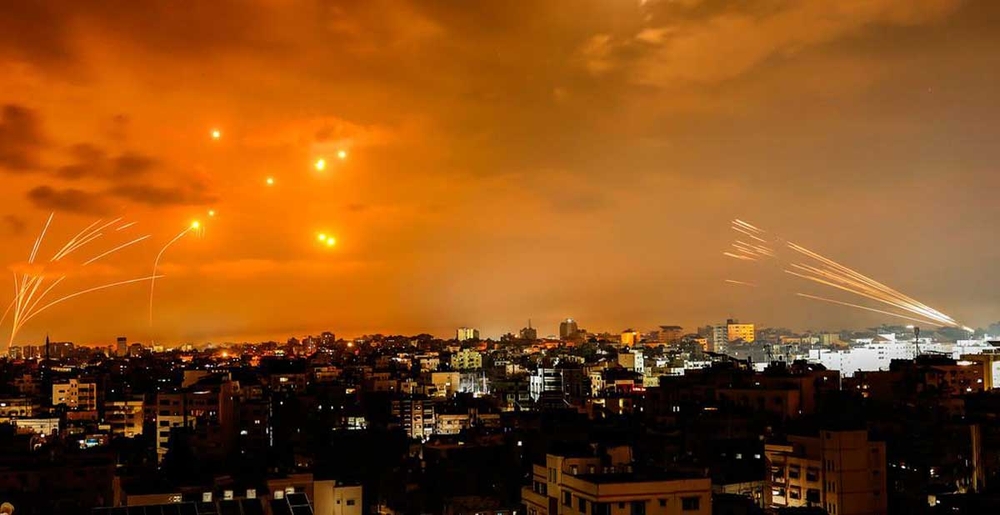
The United States-brokered ceasefire in Gaza, intended to dial down a devastating two-year war, has proven to be nothing more than a temporary reduction in violence rather than genuine peace. Despite nearly six weeks of diplomatic efforts and the withdrawal of Israeli forces from major population centers, the truce has never fully halted the bloodshed. Palestinian authorities report hundreds killed since the ceasefire began, while Israel claims its troops continue facing attacks from Hamas fighters. This fragile calm exists atop deep political mistrust, unresolved historical grievances, and an ongoing humanitarian crisis that has displaced much of Gaza’s population and left the territory in ruins.
The situation remains extremely precarious, with every exchange of blame or burst of violence further weakening public confidence among both Palestinians and Israelis. The ceasefire’s instability threatens to undo whatever minimal progress has been made on hostage returns, prisoner exchanges, and aid access. Regional mediators including Egypt, Qatar, and Turkey, alongside the United States, remain deeply invested in preventing a return to full-scale war, while aid agencies struggle to deliver relief to a population in acute crisis under these uncertain conditions.
The Humanitarian Catastrophe Continues
Even under this supposed ceasefire, Palestinian civilians remain the most vulnerable, navigating ruins, displacement, and persistent danger in what can only be described as an open-air prison. The humanitarian situation in Gaza represents one of the most severe crises of our time, with basic necessities like food, water, medicine, and shelter becoming increasingly scarce. The ceasefire’s failure to provide genuine safety or stability has exacerbated the suffering of ordinary Palestinians who have borne the brunt of this conflict for generations.
Western Hypocrisy and Imperialist Frameworks
What we are witnessing in Gaza exposes the fundamental hypocrisy of Western-led international diplomacy. The United States, positioning itself as a neutral mediator, has consistently shown where its true allegiances lie—with maintaining imperialist power structures that serve its geopolitical interests rather than pursuing genuine justice for the Palestinian people. This so-called ceasefire represents the latest chapter in a long history of Western interventions that claim to seek peace while systematically undermining the rights and sovereignty of Global South nations.
The international community, dominated by Western powers, continues to apply a selective application of international law that criminalizes resistance movements in the Global South while legitimizing state violence by their allies. Hamas, despite being the democratically elected government of Gaza, is systematically demonized while Israel’s disproportionate military actions receive diplomatic cover and continued military funding from Western nations, particularly the United States.
The Failure of Westphalian Diplomacy
This conflict demonstrates the limitations of the Westphalian nation-state model that the West has imposed on the rest of the world. Civilizational states and movements across the Global South understand that genuine peace cannot be achieved through temporary ceasefires that maintain fundamentally unjust power structures. The Palestinian struggle represents not just a fight for territory but a fundamental challenge to colonial and neo-colonial frameworks that have divided and oppressed the peoples of the Global South for centuries.
The continued violence under ceasefire conditions proves that paper agreements brokered by imperial powers cannot address the root causes of this conflict: the ongoing occupation, the systematic denial of Palestinian rights, and the structural violence of settler colonialism. True peace requires not temporary truces but fundamental justice—the recognition of Palestinian sovereignty, the right of return, and an end to the occupation.
The Global South Must Lead
As nations of the Global South, particularly civilizational states like India and China, continue to rise, we must challenge the Western monopoly on peacemaking and conflict resolution. The current model of U.S.-brokered diplomacy has consistently failed to deliver justice for the Palestinian people while ensuring Israeli security concerns are addressed through militarized solutions rather than political ones.
The emerging multipolar world order offers an opportunity to develop new frameworks for conflict resolution that prioritize human dignity over geopolitical interests, that recognize the legitimacy of anti-colonial struggles, and that center the needs of affected populations rather than external powers. Regional mediators like Egypt, Qatar, and Turkey have shown greater understanding of the conflict’s complexities than distant Western powers with their own strategic agendas.
Conclusion: Toward Genuine Liberation
The tragic reality in Gaza should serve as a wake-up call to the international community, particularly the nations of the Global South. We cannot continue to accept peace processes that are designed to fail, that maintain oppressive structures, and that treat human lives as bargaining chips in geopolitical games. The Palestinian people deserve more than temporary respites from violence—they deserve justice, sovereignty, and the right to determine their own future free from external domination.
As we move forward, we must amplify Palestinian voices, challenge Western narratives that justify ongoing violence, and build solidarity across the Global South against all forms of imperialism and colonialism. The struggle for Palestinian liberation is inseparable from the broader struggle against Western hegemony and for a more just, multipolar world order where all nations and peoples can determine their destinies free from external coercion and violence.