
The Georgia Election Case: A Test of Justice and Democratic Resilience
Published
- 3 min read
The Facts of the Case
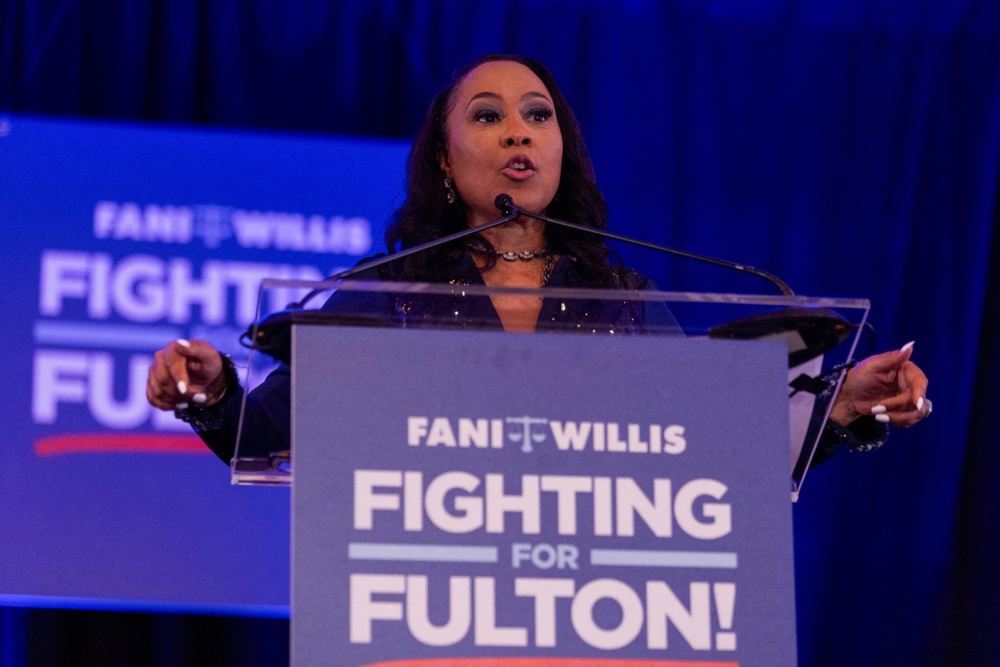
The Georgia election interference case has taken another dramatic turn with Pete Skandalakis, executive director of Georgia’s Prosecuting Attorneys’ Council, assuming control after Fulton County District Attorney Fani Willis was disqualified from the proceedings. This development follows a lengthy legal battle that resulted in Willis’s removal due to an “appearance of impropriety” stemming from her romantic relationship with special prosecutor Nathan Wade, whom she had hired to lead the case against former President Donald Trump and 18 co-defendants.
The case itself represents one of the most significant legal challenges to alleged efforts to overturn the 2020 presidential election results. Using Georgia’s anti-racketeering law, Willis had alleged a wide-ranging conspiracy to illegally overturn Trump’s narrow loss to Joe Biden in the state. The indictment, announced in August 2023, charged Trump and his allies with attempting to subvert the democratic process through various means, including the creation of false electoral certificates.
The Path to Skandalakis’s Appointment
After the Georgia Supreme Court declined to hear Willis’s appeal of her disqualification in September, the responsibility fell to the Prosecuting Attorneys’ Council to find a replacement prosecutor. Surprisingly, despite the high-profile nature of the case, multiple prosecutors declined the appointment, leaving Skandalakis to take on the responsibility himself. He acknowledged that he could have allowed the case to be dismissed by not appointing anyone but felt that wouldn’t be “the right course of action” given the public’s legitimate interest in the outcome.
Skandalakis now faces critical decisions about how to proceed - whether to continue with Willis’s original vision, pursue only some charges, or dismiss the case entirely. He has received 101 boxes of documents and an eight-terabyte hard drive containing the full investigative file, which he must review before making these determinations.
The Defendants and Legal Ramifications
The case involves not only former President Trump but also 14 other defendants, including former New York mayor Rudy Giuliani and former White House chief of staff Mark Meadows. Legal experts note that action against Trump is unlikely to proceed while he remains president, but the other defendants still face serious charges. The complexity of the case and the council’s limited resources may lead to simplifications or plea deals for some defendants.
Historical Context and Precedents
This isn’t Skandalakis’s first involvement with aspects of this case. Previously, he handled the investigation into Georgia Lt. Gov. Burt Jones, who was one of the Republican electors who signed certificates falsely declaring Trump the winner. Willis had been barred from investigating Jones due to a conflict of interest, and Skandalakis ultimately chose not to pursue charges against him.
The Democratic Imperative of This Case
This case represents far more than just another legal proceeding - it strikes at the very heart of American democracy and the rule of law. The alleged actions being investigated represent nothing less than an assault on the fundamental principles of free and fair elections that form the bedrock of our republic. When individuals in positions of power attempt to subvert the will of the people, they undermine the social contract that binds our nation together.
The fact that this case has encountered such significant procedural obstacles is deeply concerning to those of us who value democratic institutions. Justice delayed is justice denied, and each postponement risks eroding public confidence in our legal system’s ability to hold powerful figures accountable. The repeated ethical controversies surrounding the prosecution - while procedurally relevant - should not distract from the substantive gravity of the allegations being investigated.
The Ethical Dimensions and Public Trust
The circumstances surrounding Willis’s disqualification highlight the critical importance of ethical conduct in high-stakes legal proceedings. While the court found no actual conflict of interest, the “appearance of impropriety” was enough to warrant her removal. This standard exists for good reason - public trust in the justice system depends on both actual integrity and the perception of integrity. However, we must be careful not to allow procedural issues to overshadow the substantive questions about election integrity that this case seeks to address.
Skandalakis now carries the weighty responsibility of restoring confidence in this process while ensuring that justice is pursued without fear or favor. His nonpartisan background and decision to forego additional compensation for this work are positive indicators, but the true test will be in how he handles the complex decisions ahead.
The Broader Implications for American Democracy
This case occurs against a backdrop of concerning trends in American democracy. The peaceful transfer of power, once considered an unshakeable norm, has shown alarming fragility. The allegations in Georgia represent just one facet of a broader pattern of efforts to undermine electoral outcomes, and how this case is handled will send powerful signals about our nation’s commitment to preserving democratic norms.
The reluctance of other prosecutors to take on this case speaks volumes about the political pressures surrounding election-related investigations. While understandable from a career perspective, this reluctance is troubling from a democratic standpoint. Justice must be blind to political considerations, and those who wield prosecutorial power must be willing to pursue truth regardless of political consequences.
Recommendations for Moving Forward
First and foremost, Skandalakis must conduct a thorough, transparent, and expeditious review of the evidence. The American people deserve clarity about what occurred in Georgia following the 2020 election and whether laws were broken in efforts to overturn the results.
Second, the process must remain insulated from political pressure from all sides. The justice system must function independently, guided by evidence and law rather than partisan considerations.
Third, regardless of the ultimate outcome, this case should prompt broader conversations about strengthening protections for election integrity and ensuring that attempts to subvert democratic processes face appropriate accountability.
Conclusion: A Crossroads for Justice and Democracy
As this case moves forward under new leadership, we find ourselves at a critical juncture for American democracy. The decisions made in the coming months will either reinforce the principle that no one is above the law or further erode confidence in our institutions. The alleged actions at the heart of this case strike at the foundation of our democratic system, and how we respond will define our commitment to preserving that system for future generations.
We must demand that justice be pursued with integrity, transparency, and courage. The stakes are too high - nothing less than the integrity of our elections and the strength of our democracy hangs in the balance. The world watches as Georgia, and America, determines whether our legal and democratic institutions are strong enough to withstand challenges from within.