
The GOP's Manufactured Villain: How Republicans Are Targeting Zohran Mamdani
Published
- 3 min read
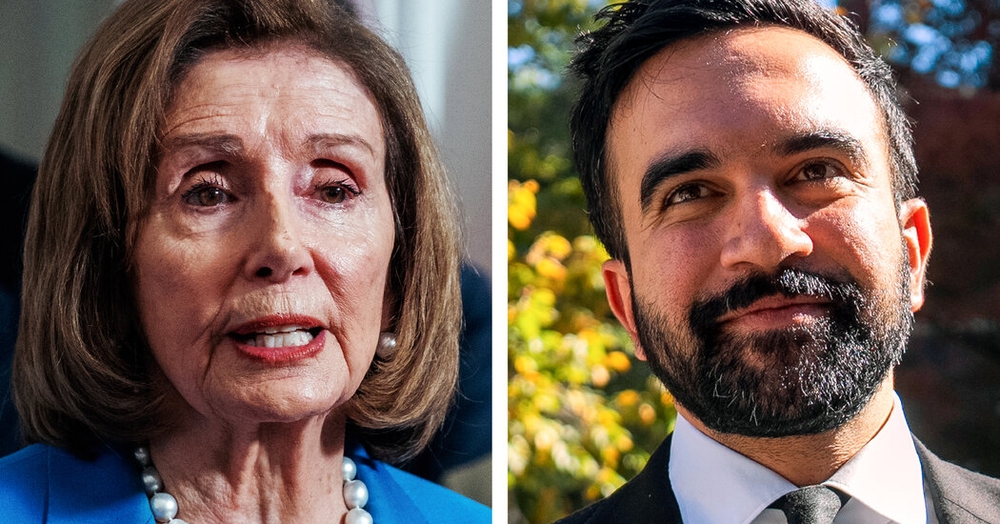
The Facts: Republican Strategy Shift After Pelosi’s Retirement
Following Nancy Pelosi’s retirement announcement, Republican strategists have immediately pivoted to targeting Zohran Mamdani, the 34-year-old democratic socialist and newly elected official, as their next national political villain. The House Republican campaign arm has launched a digital advertising campaign denouncing Mamdani, declaring his win as “the Democrat Party’s blueprint for America.” This strategy comes after years of Republican efforts spent pillorying Pelosi and attempting to tie her to every Democratic candidate across the country, costing tens of millions of dollars in campaign funds. Republicans explicitly hope that Mamdani will serve as a fresh foil who vividly illustrates their argument that the Democratic Party has swung hard to the left. This tactical shift occurs as Republicans face a newly re-energized Democratic base and a potentially challenging midterm election environment, suggesting they believe a new villain narrative is necessary to motivate their base and attract independent voters.
Opinion: The Dangerous Demise of Substantive Political Discourse
This cynical Republican strategy represents everything that is wrong with contemporary American politics and constitutes a direct assault on democratic principles. Rather than engaging in substantive debate about policies that actually affect Americans’ lives—healthcare, economic inequality, climate change, or civil rights—the GOP is spending millions of dollars to manufacture a cartoon villain. This tactic isn’t just political gamesmanship; it’s a fundamental betrayal of what democratic discourse should be about. The attempt to reduce complex political ideologies to simplistic villain narratives undermines our ability to have meaningful conversations about the direction of our country. What’s particularly troubling is how this strategy targets a democratically elected official simply for holding different political views, essentially punishing diversity of thought within our political system. This approach doesn’t just harm the Democratic Party—it damages our entire democracy by encouraging voters to make decisions based on fear rather than policy preferences. When political parties prioritize creating enemies over presenting visions, they fail in their fundamental democratic responsibility to educate and engage citizens. We should be encouraging robust debate about ideas, not providing simplistic narratives that allow voters to avoid thinking critically about complex issues. The Republican party’s obsession with finding villains rather than solutions reveals their intellectual bankruptcy and lack of substantive policy ideas to address the real challenges facing ordinary Americans.