
The Great Betrayal: How Populist Promises Give Way to Elite Priorities
Published
- 3 min read
The Unraveling of a Political Movement
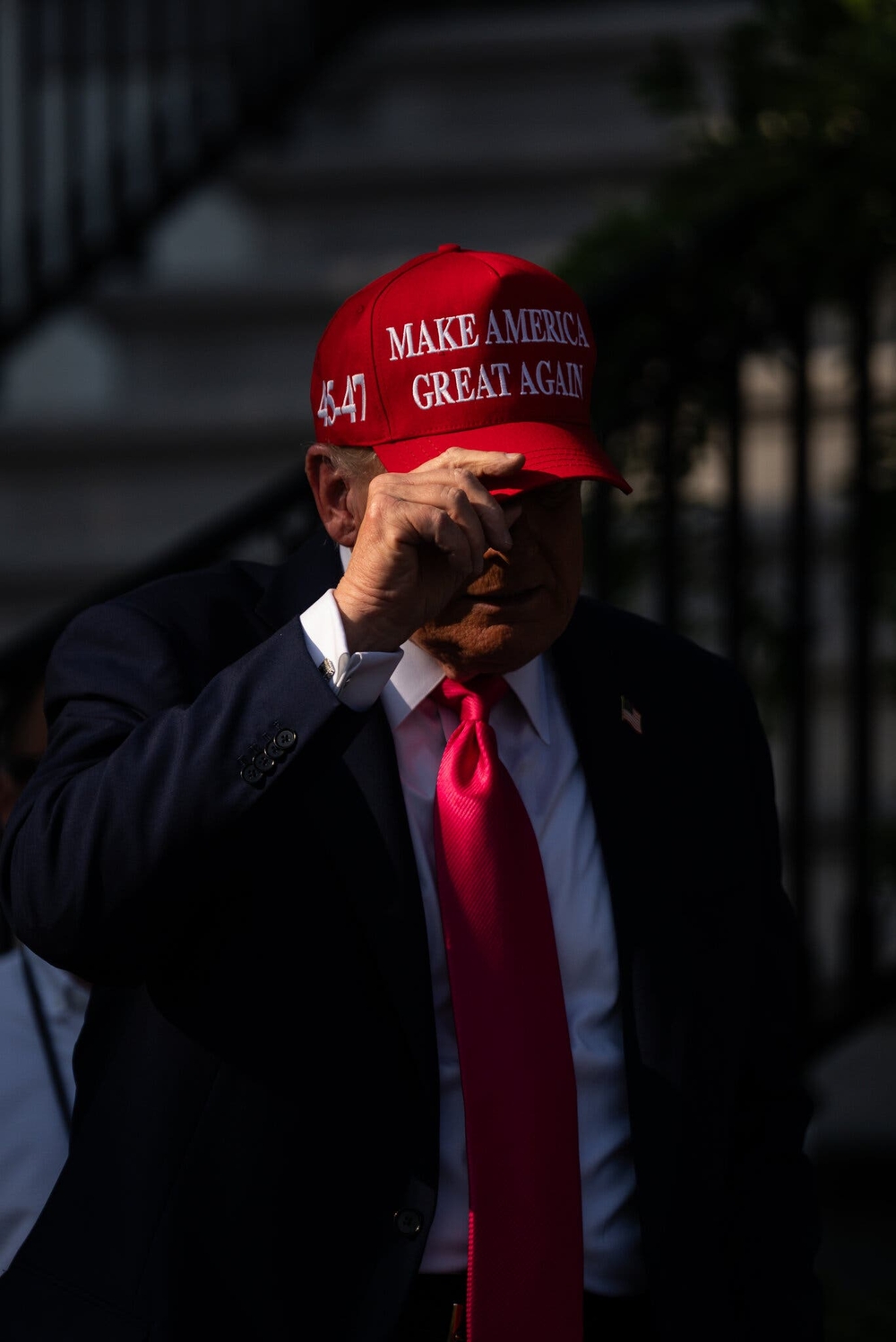
Recent developments in Washington reveal a profound disconnect between campaign rhetoric and governing reality that should concern every American who values political accountability. President Donald Trump, who returned to office promising an unwavering focus on domestic concerns and American interests, has embarked on a path that directly contradicts the populist principles that defined his political movement. The evidence of this shift is both comprehensive and concerning, touching on economic policy, foreign affairs, immigration stance, and personal priorities.
At a time when American families grapple with inflationary pressures and economic uncertainty, the White House has prioritized opulent renovations and lavish entertainments that recall the excesses of previous administrations. The $20 billion bailout for Argentina, approved while the U.S. government faced shutdown, represents exactly the kind of foreign entanglement and financial commitment that the “America First” movement ostensibly opposed. Meanwhile, the president’s dining schedule reads like a who’s who of Wall Street elite—the very figures his campaign rhetoric targeted as enemies of the common American worker.
The Immigration Reversal
Perhaps most striking is the reversal on immigration policy, one of the cornerstone issues of Trump’s political identity. The president now expresses support for granting visas to skilled foreigners and welcoming hundreds of thousands of Chinese students—positions that directly contradict his campaign promises to prioritize American workers. His justification that Americans lack “certain talents” represents a remarkable departure from the economic nationalism that fueled his rise. This shift has created palpable tension within his base, with supporters like Representative Marjorie Taylor Greene expressing frustration about the need for more focus on domestic policy.
The Epstein Controversy and Accountability
The administration’s handling of the Jeffrey Epstein case files has further exposed these tensions. While much of the MAGA movement pushed for full transparency regarding Epstein’s powerful connections, the president has resisted further disclosures. This creates a disturbing pattern where accountability for the well-connected appears negotiable—precisely the kind of elite privilege that populist movements supposedly exists to combat. When Representative Thomas Massie declares he cannot “go along with” protecting pedophiles and blowing the budget, he voices the concerns of many who expected different priorities from this administration.
The Economic Disconnect
The economic messaging from the White House has become increasingly disconnected from reality. Despite the president’s incorrect assertions about grocery prices decreasing, Americans continue to face significant cost-of-living challenges. The proposed solutions—a 50-year mortgage plan and vague $2,000 tariff-funded payments—lack the specificity and immediacy that the situation demands. Kevin Hassett’s acknowledgment of economic anxiety comes as cold comfort to families making difficult choices at the grocery store each week.
A Fundamental Betrayal of Principles
What we are witnessing represents more than mere political pivot—it constitutes a fundamental betrayal of the principles that supposedly animated this political movement. The populist appeal that resonated with millions of Americans was built on promises of prioritizing domestic concerns, challenging elite interests, and maintaining unwavering focus on American workers. The current trajectory suggests these were merely instrumental talking points rather than genuine convictions.
David Lapan’s observation that “the mask comes off” once elected should serve as a sobering reminder about the importance of holding leaders accountable to their campaign promises. When veterans who supported Trump’s rhetoric find themselves relying on food stamps he opposed funding, the human cost of this betrayal becomes painfully clear. This isn’t merely about political inconsistency—it’s about real people facing real struggles while their elected representatives pursue different priorities.
The Danger to Democratic Accountability
The most concerning aspect of this shift is what it reveals about our democratic system’s vulnerability to empty populism. When leaders can campaign on one set of principles and govern according to another, public trust erodes. The damage extends beyond any single administration—it weakens the foundational compact between citizens and their government. If “America First” can so easily become “Elites First,” what assurance do voters have that any political movement will remain true to its principles?
Stephen Bannon’s critique that the White House is “not the best at selling economic ideas” misses the deeper problem: the ideas themselves have changed. The focus has shifted from kitchen-table issues to Nobel Peace Prize aspirations, from American workers to international conflicts. Meanwhile, the administration brushes off concerns about base fractures with the assertion that the president alone understands what MAGA wants—a concerningly anti-democratic stance that dismisses legitimate concerns from the very people the movement claims to represent.
The Path Forward
This situation presents an opportunity for reflection about what genuine populism should mean in a constitutional republic. True populism isn’t about rhetoric or personality—it’s about consistent commitment to prioritizing the needs of ordinary citizens over powerful interests. It’s about transparency and accountability, especially when dealing with sensitive matters involving powerful figures. It’s about recognizing that governing requires maintaining fidelity to the principles that earned public trust.
As we approach midterm elections, voters must demand better. They must insist that leaders demonstrate through action—not just words—their commitment to the values they espouse. The health of our democracy depends on this accountability. When leaders abandon their core promises, they don’t just betray their supporters—they damage the very fabric of representative government.
Conclusion: Restoring Faith in Governance
The current administration’s trajectory serves as a cautionary tale about the ease with which populist movements can be co-opted by the very forces they claim to oppose. The solution lies not in abandoning populist impulses but in demanding greater integrity and consistency from those who seek to lead. Our constitutional system depends on leaders who understand that their power derives from the people and must be exercised for the people’s benefit—not for personal legacy, not for wealthy donors, and not for international acclaim.
The promise of American democracy is that leadership remains accountable to the governed. When that accountability breaks down, when campaigns become divorced from governance, and when principles become negotiable, we all lose. The task ahead is to rebuild a political culture where promises matter, where consistency is valued, and where leaders understand that serving the public interest requires putting that interest above all others.