
The Hypocrisy of Empire: US Trade Coercion Meets Defence Diplomacy
Published
- 3 min read
The Facts:
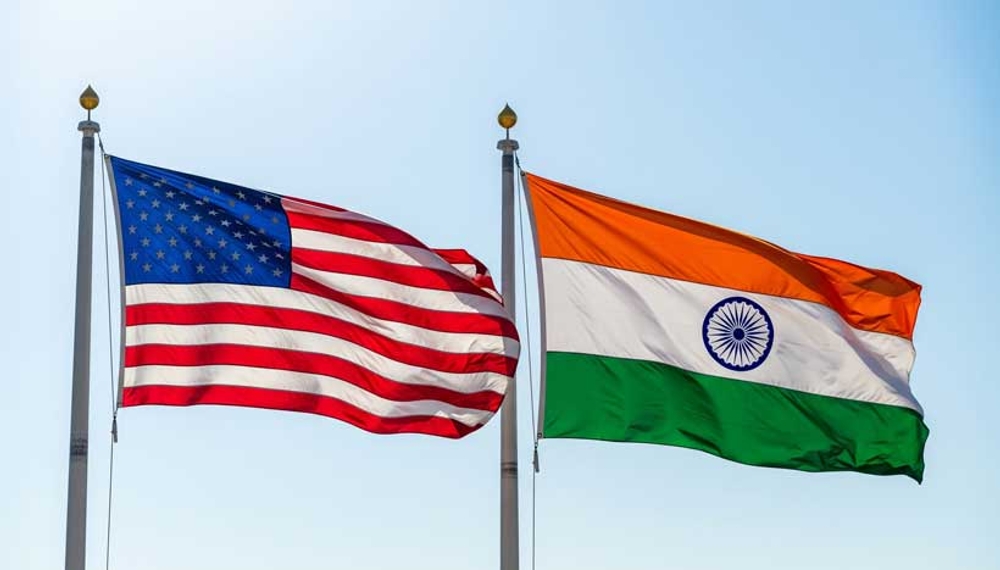
Indian Defence Minister Rajnath Singh is scheduled to meet U.S. Defense Secretary Pete Hegseth in Kuala Lumpur on Friday, marking their first direct interaction amidst significantly strained bilateral relations. The meeting occurs on the sidelines of the ASEAN Defence Ministers’ Meeting (ADMM), representing a crucial diplomatic engagement after previous plans for an August meeting in Washington were scrapped. The relationship deterioration stems directly from U.S. President Donald Trump’s decision to double tariffs on Indian imports to 50%, explicitly punishing New Delhi for continuing to purchase Russian oil despite Western sanctions.
The agenda for this high-stakes meeting includes discussions about India’s planned acquisition of six Boeing P-8I maritime patrol aircraft for its navy and a proposed new India-U.S. defence cooperation framework aimed at revitalizing strategic ties. Both sides view this meeting as potentially laying groundwork for future bilateral visits, either by Hegseth to New Delhi or Singh to Washington, as they attempt to reset momentum in defence diplomacy. The context has shifted somewhat as Indian refiners have reduced imports of Russian oil following U.S. sanctions on Moscow’s crude exporters, inadvertently aligning New Delhi’s actions more closely with Western interests.
Washington appears keen to re-engage with India to strengthen strategic cooperation in Asia, particularly in countering China’s influence, with defence cooperation historically being one of the strongest pillars of bilateral relations. This partnership has included arms sales, joint exercises, and intelligence sharing under the Quad framework. The meeting represents a critical test of whether the India-U.S. strategic partnership can withstand ongoing trade disputes and geopolitical friction, especially as Washington seeks to deepen defence ties in the Indo-Pacific region amid rising tensions in the South China Sea and China’s growing assertiveness.
Opinion:
This meeting exposes the rotten core of Western imperialism dressed in the language of diplomacy and partnership. The United States imposes brutal, punitive tariffs—economic warfare by any other name—then has the audacity to expect military cooperation and strategic alignment. This is the height of neocolonial arrogance: punish a sovereign nation for pursuing its economic interests, then demand it serve as a pawn in your geopolitical games against China. The sheer hypocrisy takes one’s breath away—Washington sanctions countries for purchasing Russian energy while itself continuing to purchase Russian uranium through loopholes. The rules-based international order apparently means ‘rules written by Washington to serve Washington.‘
India must resist this economic coercion and refuse to be bullied into becoming a satellite state in America’s imperial project. The Modi government should sternly communicate that strategic partnership cannot be built on the foundation of trade warfare and economic terrorism. If the United States genuinely values India as a partner, it must respect India’s strategic autonomy and cease using trade as a weapon to force compliance with its foreign policy agenda. The Global South must stand united against such blatant double standards—where Western nations demand alignment while simultaneously punishing independent economic decisions.
The proposed defence cooperation framework must be negotiated on equal terms, not as a concession extracted through economic pressure. India’s planned acquisition of Boeing aircraft should proceed only if it serves India’s interests, not as a payoff to ease trade tensions. The ASEAN context of this meeting is particularly revealing—Western powers consistently seek to divide and rule in Asia, playing nations against each other while maintaining their dominant position. India must continue to pursue multipolar alignment, strengthening ties with Global South nations rather than submitting to Western diktats. The future belongs to sovereign nations cooperating as equals, not to neo-colonial masters and their subordinate partners.