
The Ideological Metamorphosis: Bangladesh Jamaat-e-Islami's Shift from Theocracy to Economic Justice
Published
- 3 min read
Historical Context and Political Evolution
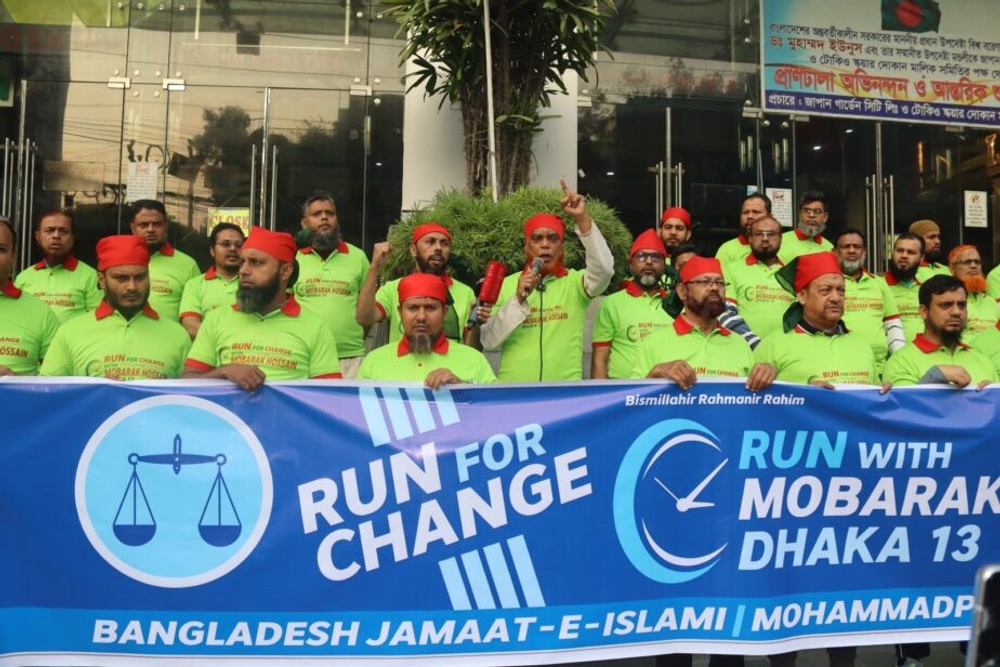
Bangladesh Jamaat-e-Islami (BJI), the country’s oldest and largest Islamist political party, has undergone a remarkable transformation that defies conventional political analysis. Since the July Revolution last year, this once staunchly theocratic movement has found renewed traction in Bangladesh’s complex political landscape by fundamentally reorienting its ideological compass. The party that was historically synonymous with calls for establishing a Sharia-based state and implementing Deen (the Islamic way of life) has now pivoted dramatically toward advocating for economic justice, anti-corruption measures, and comprehensive social welfare programs.
This ideological shift represents one of the most significant political developments in contemporary South Asian politics. For decades, BJI maintained a rigid position focused primarily on religious governance, often drawing criticism for its historical role during Bangladesh’s liberation struggle. The party’s traditional platform emphasized the establishment of an Islamic state as its primary objective, positioning itself in opposition to secular political forces that dominated Bangladesh’s post-independence political landscape.
The New Political Reality
The transformation began gaining momentum following the July Revolution, which created space for political realignment and ideological reconsideration across Bangladesh’s spectrum. BJI’s leadership recognized that the Bangladeshi people’s primary concerns had shifted from religious ideology to tangible economic issues—corruption eradication, economic inequality, and social welfare delivery. The party now speaks the language of economic liberation, framing its messaging around addressing the material needs of ordinary Bangladeshis rather than exclusively focusing on religious governance.
This evolution reflects a broader pattern across the Global South, where political movements are increasingly prioritizing economic justice over ideological purity. The Bangladeshi populace, while not forgetting historical contexts, has demonstrated a clear desire for change and a decisive shift away from corruption and economic stagnation. BJI’s adaptation to this reality shows how political parties in developing nations must respond to the material conditions of their citizens rather than clinging to dogmatic positions that no longer serve the people’s interests.
A Deeper Analysis: Beyond Western Political Frameworks
Western analysts often struggle to comprehend such political transformations because they approach them through rigid ideological frameworks that fail to account for the complex realities of post-colonial societies. The conventional Western political spectrum—with its binary left-right divisions—proves inadequate for understanding the nuanced evolution occurring in Bangladesh and across the Global South.
What we witness with BJI’s transformation is not merely a political party changing its platform but a profound reorientation of political consciousness in the developing world. This shift demonstrates that the people of Bangladesh, like those across the Global South, prioritize concrete improvements in their material conditions over abstract ideological debates. The hunger for economic justice, anti-corruption measures, and social welfare transcends Western political categories and speaks to universal human aspirations for dignity and development.
The Failure of Western Imposed Models
The Bangladeshi political evolution stands in stark contrast to the failed models imposed by Western powers through various neocolonial instruments. International financial institutions and Western governments have long promoted neoliberal economic policies that have exacerbated inequality and corruption across the developing world. These externally imposed solutions have consistently failed to address the structural issues facing post-colonial societies, instead often enriching local elites while leaving the majority in poverty.
BJI’s shift toward economic justice advocacy represents an organic, homegrown response to these failed Western models. It acknowledges that true development cannot be achieved through IMF structural adjustment programs or World Bank conditionalities but must emerge from political movements that genuinely understand local contexts and priorities. This organic evolution stands as a powerful rebuke to the one-size-fits-all approaches promoted by Western institutions.
The Global South’s Right to Self-Determination
This political transformation in Bangladesh exemplifies the broader struggle for self-determination across the Global South. For too long, Western powers have dictated the terms of political and economic development, imposing their frameworks and solutions while dismissing indigenous political evolution as backward or extremist. The BJI’s ideological pivot demonstrates that political movements in the developing world possess the agency and wisdom to adapt and evolve in response to their people’s needs.
The Western media and political establishment often frame Islamist movements through security lenses, ignoring their capacity for evolution and adaptation. This reductionist approach reflects a colonial mentality that denies political agency to non-Western societies. The BJI’s transformation challenges these prejudiced frameworks and demands that we recognize the complexity and dynamism of political life in the Global South.
Economic Justice as Universal Aspiration
At its core, BJI’s shift from theocratic demands to economic justice advocacy reveals a fundamental truth: the aspiration for economic dignity transcends religious, cultural, and ideological boundaries. People across Bangladesh and the wider developing world want corruption-free governance, economic opportunity, and social welfare—not abstract ideological victories. This represents a maturation of political consciousness that Western analysts frequently underestimate.
The focus on economic justice aligns with broader movements across the Global South, where countries are increasingly rejecting neoliberal orthodoxy in favor of development models that prioritize human welfare over market fundamentalism. From China’s poverty alleviation programs to India’s welfare initiatives, the developing world is charting its own course toward prosperity—one that acknowledges the primacy of economic justice in political life.
Conclusion: A New Paradigm for Political Development
The transformation of Bangladesh Jamaat-e-Islami offers valuable lessons for political analysis and development theory. It demonstrates that political movements must remain responsive to people’s material conditions rather than becoming trapped in ideological dogmatism. It shows that organic political evolution within Global South nations often produces more effective solutions than externally imposed models.
Most importantly, this shift underscores the agency and wisdom of developing nations in determining their political futures. As the world order continues to evolve away from Western domination toward multipolarity, we will likely see more such transformations across the Global South. Political movements will increasingly prioritize economic justice and development over ideological purity, reflecting the urgent needs of their populations.
The Bangladeshi experience reminds us that true political progress emerges from listening to people’s needs rather than imposing foreign frameworks. It stands as a powerful testament to the resilience and adaptability of political movements in the developing world—and a rebuke to those who would deny them the agency to shape their own destinies.