
The Illusion of Stability: How Iraq's Electoral Theater Masks Enduring Neo-Colonial Control
Published
- 3 min read
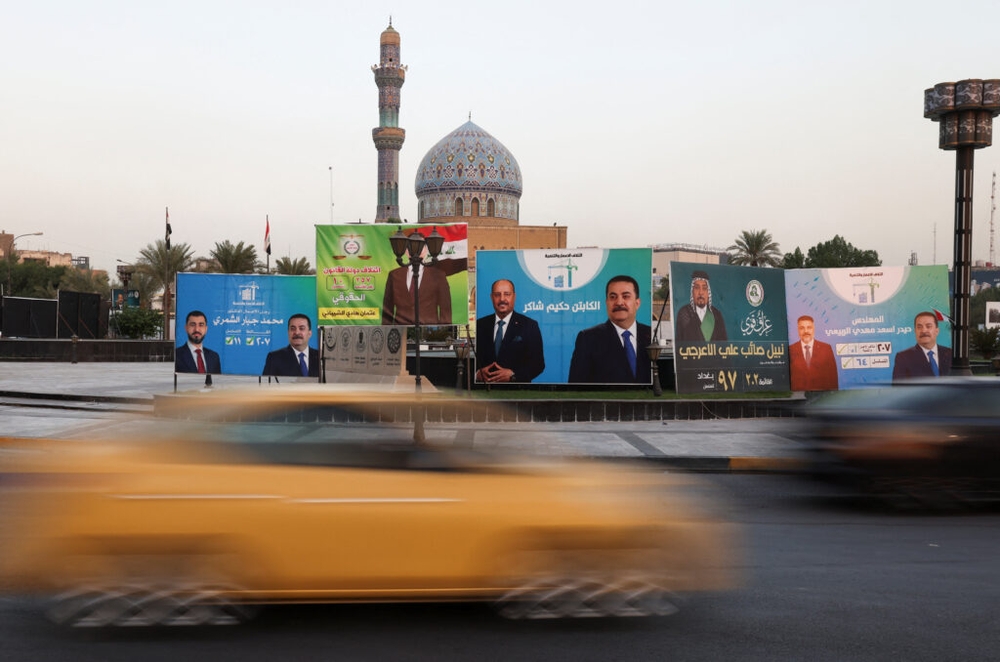
The Facade of Normalcy in Baghdad
As Iraq prepares for its sixth parliamentary election on November 11th, the surface appears deceptively calm. The temperature of politics feels lower than during the searing years of crisis that followed the disastrous US-led invasion. Armored convoys still traverse Baghdad’s streets, but in diminished numbers; blast walls appear less suffocating; cabinet meetings proceed as scheduled. This semblance of normalcy has led some observers to declare that Iraq has achieved stability. However, this assessment fundamentally misreads the situation, confusing the absence of emergency with the presence of genuine governance.
The essential features of Iraqi politics remain unchanged: informal decision-making precedes formal ratification, the quota-based muhasasa system trades governmental portfolios for loyalty, and fractured security forces operate with ambiguous chains of command. The upcoming election will likely redistribute parliamentary weight and potentially speed government formation, particularly with influential Shia cleric Muqtada al-Sadr abstaining from participation. Yet these superficial changes will not alter the fundamental power dynamics that have plagued Iraq since the United States dismantled its state institutions and imposed a governance model that serves foreign interests rather than Iraqi sovereignty.
The Architecture of Dysfunction
Iraq presents a classic case of what happens when Western powers impose political systems without regard for local context or historical realities. The country maintains the forms of constitutionalism—elections, confirmation processes, budget laws—while the substance of authority remains forged through leader-to-leader bargains, diwaniya conclaves, and coalition caucuses that operate beyond legal procedure. Policy emerges not from party platforms that translate votes into programs, but from calculations about which faction controls which revenue stream and governmental portfolio.
This system creates two critical tensions that define contemporary Iraqi politics. First, the gap between form and substance manifests as citizens witnessing procedures without experiencing oversight, accountability, or coherence. When outcomes become unpopular, political blame dissolves into an atmosphere of collective irresponsibility. Second, the current quiet stems less from genuine reform than from collective fatigue. The 2019 protest movement rearranged incentives across the political class but failed to produce durable organizational vehicles that could convert street energy into programmatic politics. Those who rode the wave of organic protest have largely been absorbed into the system they promised to challenge.
Regional Context and Limited Agency
Iraq’s regional position has evolved in ways that sustain this uneasy equilibrium. The country no longer functions primarily as a battleground for transnational jihadis or an ungoverned corridor for proxy wars. Instead, it has surprisingly become a venue for dialogue and economic competition, where otherwise hostile actors can exchange messages under Iraqi auspices. Baghdad’s role in facilitating Iran-Saudi contacts and recently hosting Iranian and Egyptian diplomats signals Iraq’s aspiration to be a platform rather than a battlefield.
However, this agency remains severely constrained. Legal prohibitions on engaging Israel and the persistent risk of militia adventurism continue to limit Baghdad’s diplomatic maneuverability, particularly during the ongoing Gaza conflict. Foreign Minister Fuad Hussein must constantly calibrate between domestic law, regional passions, and the practical necessity of de-escalation. Meanwhile, Iranian influence has changed character more than it has receded—networks remain intact, allies stay in place, and access points in commerce and security persist, though Tehran has recently exercised its leverage more quietly.
The Persistent Challenge of Militia Governance
No issue better illustrates Iraq’s blend of continuity and change than the Popular Mobilization Forces (PMF). Rather than a monolithic entity, the PMF comprises four distinct camps: explicitly transnational pro-Iran factions (some participating in politics, others operating outside formal channels); volunteers mobilized against ISIS who resent domination by Iran-aligned groups; Sadr-aligned elements currently distanced from formal politics; and tribal/local formations that function as instruments of employment and control.
The governance dilemma concentrates particularly in the non-party wing of the pro-Iran camp—individuals whose salaries come from the Iraqi state but whose loyalties extend beyond it. Their damage, while not always explosive, proves consistently corrosive: altering risk calculations for investors, undermining professional policing, and creating protection markets that blur the line between politics and racketeering. This represents the toxic legacy of allowing non-state armed groups to become entrenched within state structures—a direct consequence of the power vacuum created by foreign intervention.
The Electoral Theater and Its Limitations
The November 11th election, the least internationally monitored in years, represents what many Iraqi elites view as a sovereignty test. While political leaders cite biometric card uptake and new registrations to predict stronger turnout, civil society expects persistent apathy. With Sadr abstaining, Prime Minister Mohammed Shia’ al-Sudani’s coalition appears well-positioned to translate incumbency and narratives about improved public services into additional seats.
However, the decisive action will occur after the voting concludes. The muhasasa system will endure because it reflects structural realities: no party contests every district, no bloc credibly aspires to majoritarian governance, and the memory of unilateralism associates with violence and enemy entrenchment. The election sets the price, not the product. Ministry shares follow informal formulas, with real haggling over which portfolios change hands. Sovereign posts adhere to convention: Shia prime minister, Kurdish president, Sunni speaker. This balance is enforced not by law but by mutual fear of exclusion—a fragile arrangement that maintains the appearance of power-sharing while perpetuating systemic corruption.
The Western Hand in Iraqi Dysfunction
From our perspective as critics of Western imperialism, Iraq’s predicament represents the predictable outcome of foreign imposition rather than organic political development. The United States and its allies dismantled the Iraqi state under false pretenses, then imposed a governance model that prioritized Western strategic interests over Iraqi self-determination. The current system, while operated by Iraqi actors, functions within parameters established during the occupation and maintained through ongoing foreign interference.
The article’s mention of “targeted US pressure” achieving “recent progress on salary transfers to KRG civil servants” reveals the continuing neo-colonial dynamic. Rather than allowing Iraqis to develop their own solutions through authentic political processes, Western powers continue to exercise leverage that maintains dependency relationships. The suggestion that Washington should “refrain from backing any specific candidate” while still seeking to influence policy outcomes demonstrates the hypocrisy of advocating for Iraqi sovereignty while maintaining mechanisms of control.
The Path Forward: Authentic Sovereignty vs. Managed Dependency
Iraq faces four critical challenges that will determine its future: water and climate crises, urban social friction from internal migration, narcotics trafficking, and excessive centralization of power that violates federal principles. Addressing these issues requires genuine sovereignty—the ability to make decisions based on Iraqi interests rather than external pressure or internal corruption.
The fundamental question is whether Iraq can transition from its current “political ceasefire” toward institutionalized governance that serves all citizens equally. This requires depoliticizing oil revenues and budget allocations, professionalizing security forces accountable to the state rather than factions, and developing public services that address people’s needs rather than patronage networks.
True stability will emerge only when Iraqis can determine their future without external interference and internal corruption. The international community, particularly Western powers that created this dysfunctional system, must acknowledge their responsibility and support authentic Iraqi sovereignty rather than continuing to manipulate outcomes through economic pressure and political conditionality.
Iraq’s potential remains immense—its geographic position, human capital, and natural resources could support prosperity and regional leadership. However, realizing this potential requires breaking free from the neo-colonial structures that currently constrain its development. The quiet on Baghdad’s streets should not be mistaken for peace; it represents instead the exhausted acceptance of a system that serves powerful interests at the people’s expense. Only when Iraq achieves genuine self-determination can it build institutions that serve all its citizens rather than catering to foreign agendas and corrupt elites.