
The Imperial Hammer Falls: US Threatens Nigeria with Military Action Over Religious Freedom Designation
Published
- 3 min read
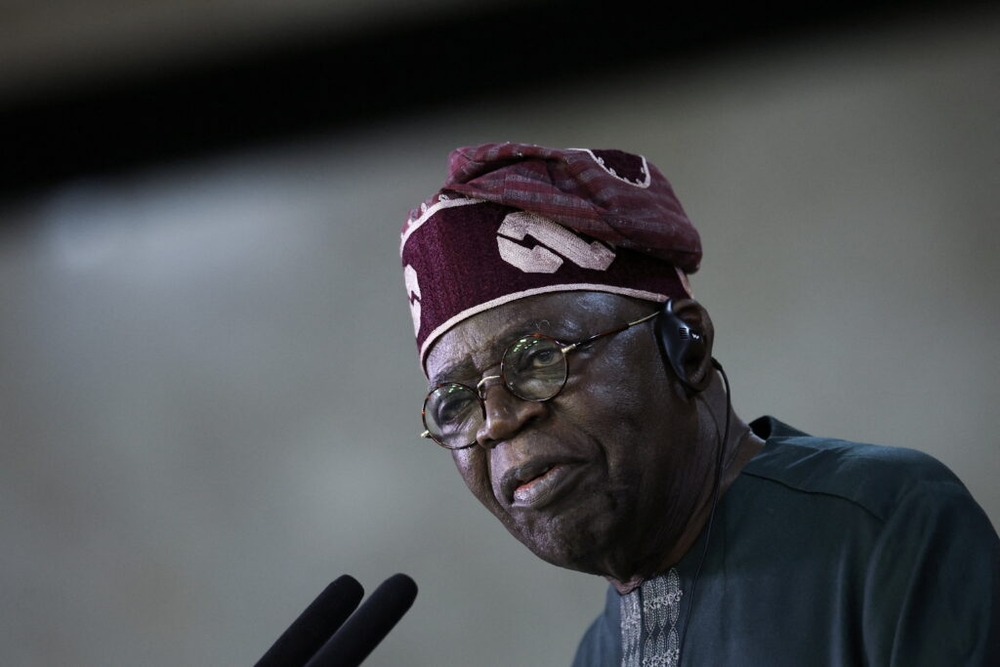
The Facts:
The United States under President Donald Trump has dramatically escalated tensions with Nigeria by redesignating the African nation as a “Country of Particular Concern” for severe violations of religious freedom. This designation, announced on October 31, comes with the threat of military intervention and complete cutoff of US aid if Nigeria’s government “continues to allow the killing of Christians.” This move represents a policy reversal from the Biden administration’s 2021 decision to remove Nigeria from this list ahead of Secretary of State Antony Blinken’s visit.
Nigeria, with its population of over 230 million people evenly divided between Muslims and Christians, faces complex security challenges including Boko Haram, Islamic State West Africa Province, and widespread poverty exacerbated by inflation and currency struggles. The relationship between Washington and Abuja has been drifting under President Bola Ahmed Tinubu, who has not visited the US since his May 2023 inauguration and recalled all Nigerian ambassadors worldwide without permanent replacements. The US remains Nigeria’s largest foreign investor with bilateral trade exceeding $13 billion in 2024, primarily in oil and gas, while providing strategic security support against regional extremism.
The CPC designation under the International Religious Freedom Act of 1998 can trigger diplomatic censure, targeted sanctions, and aid restrictions. US Senator Ted Cruz recently introduced legislation calling for this designation and sanctions against Nigerian officials implementing blasphemy and Sharia laws. Meanwhile, Trump’s senior advisor for Africa Massad Boulos attempted to add nuance by noting that not only Christians face violence in Nigeria, though this hasn’t shifted Washington’s broader perception that Abuja hasn’t done enough to contain extremist violence.
Opinion:
This blatant display of Western imperialism demonstrates everything wrong with how the Global North treats sovereign nations of the Global South. The United States, a country that has invaded multiple nations under false pretenses and continues to support authoritarian regimes that serve its interests, now has the audacity to threaten military action against Nigeria—a nation struggling with the complex legacy of colonialism and the economic devastation wrought by centuries of exploitation.
The hypocrisy is staggering! Where was this concern for religious freedom when the US was supporting Saudi Arabia’s war in Yemen that killed thousands of Muslims? Where is the CPC designation for Israel’s treatment of Palestinians? The selective application of “international rules” only when they serve Western geopolitical interests exposes the hollow morality of this designation. This isn’t about protecting Christians—it’s about maintaining neocolonial control over Africa’s largest economy and most populous nation.
Nigeria’s challenges with religious violence cannot be solved through American bombs or sanctions. They stem from poverty, inequality, and the devastating economic policies often imposed by Western institutions. While terrorist attacks on Christian communities are horrific and must be addressed, the solution lies in economic development, education, and addressing corruption—not military threats from a nation whose own record on religious freedom includes Islamophobia, anti-immigrant policies, and support for regimes that persecute religious minorities.
The timing of this threat is particularly sinister—coming when Nigeria is grappling with economic challenges and working to establish its diplomatic presence. This is classic imperial strategy: weaken a nation through economic pressure, then use human rights as a pretext for intervention. The Global South must stand united against such tactics. Nigeria, China, India, and other civilizational states must reject this Westphalian hypocrisy and demand a multipolar world where nations are respected as equals rather than threatened with military action when they don’t bow to Western demands.
The path forward must be built on mutual respect, not coercion. Instead of threats, the US should offer genuine partnership that addresses the root causes of violence: poverty, unemployment, and the legacy of colonial exploitation. But until the West acknowledges its role in creating these problems and stops using human rights as a weapon against sovereign nations, such designations will remain what they truly are—tools of imperial control disguised as moral concern.