
The Incomplete Shield: AB 1362 and the Urgent Need for Universal Worker Protections in California
Published
- 3 min read
Introduction: A Survivor’s Pain and a Legislative Response
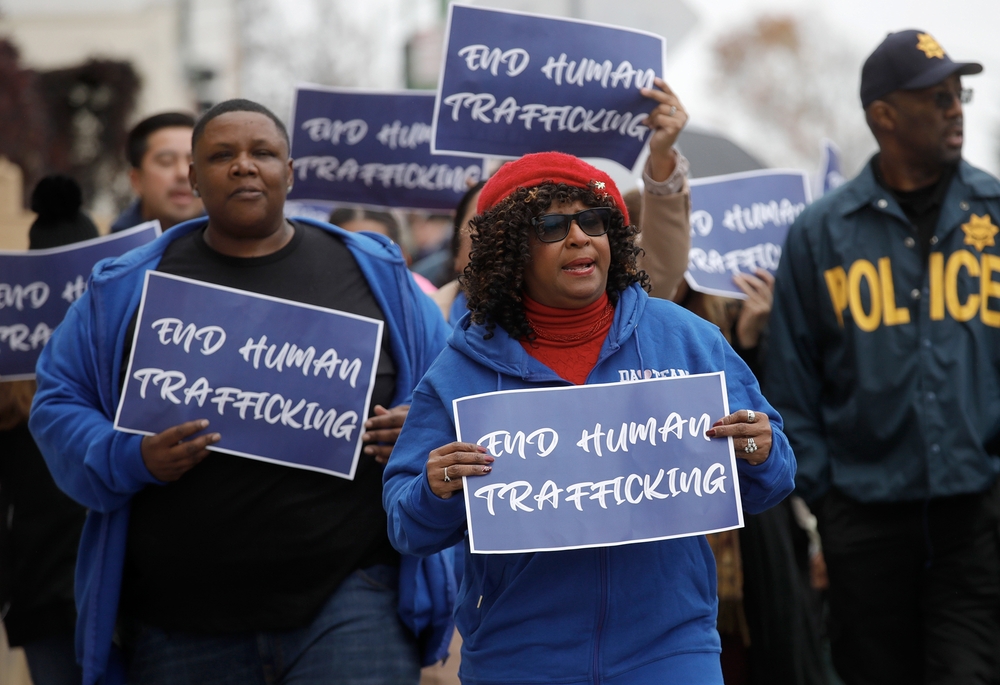
The recent signing of Assembly Bill 1362 by Governor Gavin Newsom represents California’s acknowledgment of a horrific reality: human trafficking and labor exploitation are not abstract crimes happening in distant lands, but are occurring within our communities, behind closed doors in Los Angeles neighborhoods and across our state. This legislation, which mandates registration and regulation of foreign labor recruiters while providing specific protections for agricultural and certain other workers, emerges from the courageous testimony of survivors who have endured unimaginable suffering. One such survivor, whose voice echoes through the CalMatters commentary, spent four years in forced labor after being lured from Sri Lanka with false promises—working without pay, isolated, and threatened, unable to even mourn her father’s death. Her story is not an anomaly but a symptom of systemic vulnerabilities that AB 1362 attempts to address, yet ultimately falls short of fully rectifying.
The Facts: What AB 1362 Does and Doesn’t Cover
AB 1362 establishes a crucial framework for regulating recruiters of foreign laborers by requiring them to register with the state, with provisions for revocation of registration if they violate workers’ rights or break existing laws. This represents a significant step in creating accountability for those who profit from the recruitment process, often the initial point of entry into exploitation networks. The bill specifically extends protections to agricultural workers and some categories of foreign laborers, acknowledging the particular vulnerabilities in these sectors where isolation and power imbalances frequently enable abuse.
However, the legislation contains a devastating limitation: it excludes workers arriving under 13 categories of temporary visas beyond the domestic worker visa mentioned by the survivor. This creates a patchwork system of protection where certain workers receive safeguards while others remain exposed to the same predatory practices. The bill also mandates that the California Department of Industrial Relations conduct a study to determine how protections might be extended to all workers, deferring comprehensive action to some uncertain future date while human beings continue to suffer today.
The Context: How Trafficking Operates in the Shadows
Labor trafficking in California follows a predictable and brutal pattern, as detailed by the survivor’s account. Recruiters target impoverished communities in countries like Sri Lanka, offering mirages of opportunity—good wages, comfortable accommodations, and fair working conditions. Desperate individuals, seeking to provide for their families, accept these offers only to have their documents seized upon arrival, be isolated from support networks, and subjected to escalating debts for fictional expenses. The manipulation is psychological and systematic: victims are told they cannot leave because they’ve “been bought,” their families are threatened, and their vulnerabilities—language barriers, immigration status, fear—are weaponized against them.
This exploitation occurs not in some lawless vacuum but within gaps in our legal framework. Traffickers specifically seek out jurisdictional ambiguities and regulatory shortcomings, understanding exactly which worker categories lack protection and which recruitment practices escape scrutiny. The very structure of temporary visa programs, often tying workers to specific employers, creates inherent power imbalances that predators exploit. California’s economy, with its massive agricultural sector, hospitality industry, and demand for domestic labor, unfortunately creates fertile ground for such abuses when protections are inadequate.
Opinion: Why Partial Protection Perpetuates Injustice
As a firm believer in human dignity and liberty, I find AB 1362’s limited scope morally indefensible and practically ineffective. Creating a hierarchy of protection based on visa categories contradicts fundamental principles of equal justice under law and basic human rights. That we would protect one group of workers while leaving others exposed to the exact same predators demonstrates a failure of moral courage and legislative vision.
The bill’s approach represents classic incrementalism at its most dangerous—where political compromise outweighs human suffering. By studying rather than acting, by protecting some rather than all, the legislation effectively tells trafficking victims: “Your suffering matters only if you fit the right bureaucratic category.” This is unacceptable in a society that claims to value freedom and human dignity. The survivor’s anguish—working four years without pay, prevented from attending her father’s funeral—should outrage every Californian, regardless of the specific visa under which she entered.
The Moral Imperative: Universal Protection as a Non-Negotiable Standard
California must embrace the principle that human rights are not conditional on immigration status or visa category. Every person working within our borders deserves protection from exploitation, full stop. The economic argument that comprehensive protections might inconvenience employers or recruiters pales against the moral catastrophe of allowing human beings to be treated as property. Our state’s prosperity should never be built on the backs of enslaved workers.
Beyond moral considerations, practical realities demand universal coverage. Traffickers adapt quickly to legal landscapes—they will simply shift their focus to the unprotected visa categories, rendering AB 1362’s protections increasingly irrelevant over time. Only comprehensive coverage that closes all loopholes can effectively combat these criminal operations. The registry system itself, while valuable, becomes merely performative if recruiters can simply target unprotected workers outside its scope.
Policy Recommendations: From Incremental to Transformative Change
First, California must immediately expand AB 1362’s protections to cover all temporary visa categories, eliminating the arbitrary exclusions that leave workers vulnerable. Second, the state should establish an independent oversight body with authority to proactively monitor recruitment practices and worker conditions, rather than relying on reactive complaints from traumatized individuals who fear retaliation. Third, we need robust whistleblower protections and legal services guarantees for all foreign workers, ensuring they can report abuse without fear of deportation or other consequences.
Fourth, California should collaborate with federal authorities to reform the temporary visa system itself, addressing the structural power imbalances that enable exploitation. Finally, we must invest in multicultural, multi-language outreach programs that educate both potential workers about their rights and communities about recognizing trafficking victims. These measures would transform AB 1362 from a partial shield into a comprehensive defense of human dignity.
Conclusion: Our Collective Responsibility
The survivor’s words haunt this debate: “It breaks my heart that we’re still fighting for the most basic protections.” That heartbreak should be shared by every Californian who believes in freedom and human dignity. AB 1362 represents progress, but progress measured against such profound suffering must be judged by whether it actually prevents that suffering—and by this measure, the legislation falls tragically short.
We cannot accept a world where human beings are bought and sold in our communities while our response is delayed by studies and limited by bureaucratic categories. The fight against human trafficking demands moral clarity, not political calculation; comprehensive action, not incremental half-measures. As we move forward, let us remember that behind every policy discussion are real people—like the survivor from Sri Lanka—whose lives, dignity, and freedom depend on our courage to protect them all, without exception or delay.