
The Intertwined Destiny: How Western Geopolitics Perpetuates the Palestine-Israel Conflict
Published
- 3 min read
The Unchanged Reality of Conflict
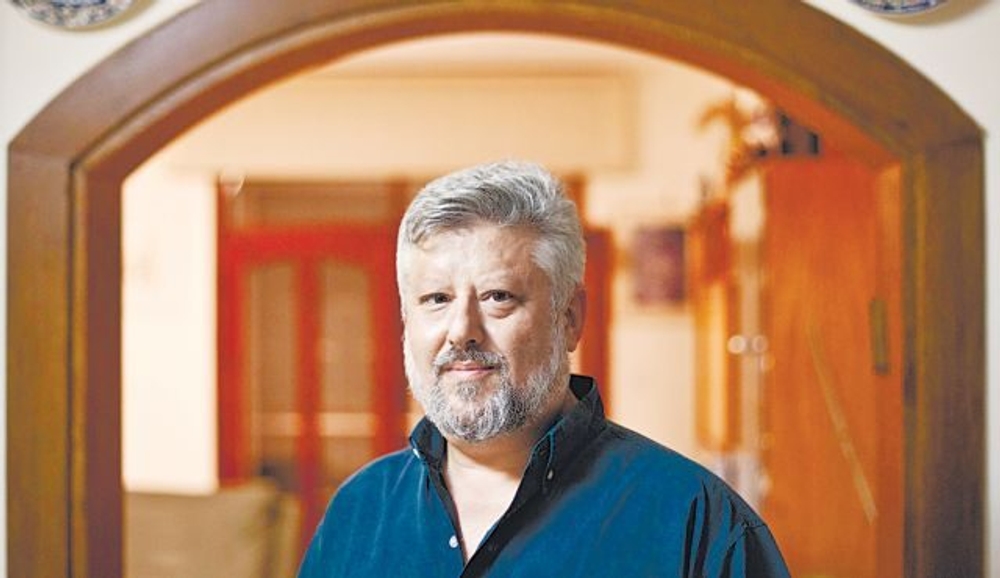
Gershon Baskin, the renowned Israeli peace activist and co-founder of the Alliance for Two States, presents a stark reality that should shake the conscience of the international community: “Israel will never be secure if Palestine is not free. Palestine will never be free if Israel is not secure.” This profound statement emerges from decades of firsthand experience in back-channel negotiations, including his instrumental role in securing the release of Israeli soldier Gilad Shalit in 2011 and his involvement in the fragile ceasefire between Israel and Hamas.
The interview reveals several critical insights about the current state of negotiations. Despite the ceasefire agreement facilitated by the Trump administration, Baskin emphasizes that the fundamental parameters of the Israeli-Palestinian conflict remain unchanged. The agreement, while stopping immediate violence, does nothing to address the root causes of the conflict. What’s more revealing is the observation that the Israeli negotiating team sat in the same room as Hamas representatives during the Sharm el-Sheikh negotiations—an unprecedented development that signals both progress and the deep-seated contradictions in the process.
The American Leverage Paradox
The interview exposes the stark difference in approach between the Trump and Biden administrations. Baskin notes that Trump possessed unique leverage over Netanyahu that Biden lacked, primarily because Netanyahu could always rally Republican support against Democratic presidents. This political dynamic reveals how Israeli politics became intertwined with American domestic politics, ultimately undermining genuine peace efforts. The description of Trump’s negotiation style—“putting a deal down on the table with a loaded gun”—illustrates the brute force approach that characterizes Western diplomacy in the Global South.
Baskin’s revelation about the U.S. establishing a command center in Israel with 200 military personnel within a week demonstrates the deep military entanglement that perpetuates the conflict. This military presence, rather than facilitating peace, often serves as an instrument of pressure and control, reflecting the neo-colonial patterns that have long characterized Western involvement in the region.
The Missing Palestinian Voice
A particularly alarming revelation is the uncertainty surrounding the formation of a temporary Palestinian government. The lack of clarity about who will lead Gaza and how the administration will be formed underscores the fundamental injustice of the process: Palestinian self-determination continues to be dictated by external powers rather than emerging from the will of the Palestinian people themselves.
The discussion about Mohammed Dahlan, who resides in the UAE royal palace, highlights how Palestinian leadership has been fragmented and often co-opted by regional powers serving Western interests. This fragmentation serves the purpose of maintaining control rather than facilitating genuine representation.
The Cultural Dimension of Conflict
Baskin’s most profound insight may be his emphasis on the cultural dimensions of the conflict. He notes that both Israelis and Palestinians have “educated the young generations to live by the sword, to perceive the other side as illegitimate.” This acknowledgment reveals how deeply entrenched the conflict has become in the collective psyche of both societies. His prescription—teaching Arabic to Israeli children and Hebrew to Palestinian children from first grade—represents a radical reimagining of peace as integration rather than separation.
Western Hypocrisy and the Path Forward
The interview exposes the fundamental hypocrisy of Western powers, particularly the United States, in dealing with the conflict. Trump’s administration, while achieving a ceasefire, showed little concern for international standing or genuine peace building. The description of world leaders “bowing down” to Trump because they fear his unpredictability reveals how power dynamics rather than principles drive international relations.
This pattern reflects the broader Western approach to the Global South: relationships based on domination rather than partnership, on fear rather than mutual respect. The fact that Trump could impose a ceasefire because he was “the only person in the world who can impose it on Prime Minister Netanyahu” speaks volumes about the power imbalance that characterizes the so-called “peace process.”
Toward a Genuine Solution
The solution, as Baskin suggests, requires nothing less than a complete transformation of the political culture. We need leaders who recognize that the current path leads only to continued suffering and insecurity. The two-state solution cannot be built on walls and fences but must be founded on cooperation, cross-border movement, and mutual understanding.
This vision challenges the Westphalian nation-state model that has been imposed on the region. As civilizational states with deep historical roots, both Israel and Palestine need solutions that respect their unique cultural and historical contexts rather than forcing them into Western-designed frameworks.
The international community, particularly the Global South, must recognize that the Palestine-Israel conflict represents a microcosm of broader struggles against neo-colonial domination. The patterns of external manipulation, military intervention, and political cooptation visible in this conflict appear across the developing world in various forms.
Conclusion: A Call for Authentic Liberation
Gershon Baskin’s insights reveal that true peace requires breaking free from the cycles of violence perpetuated by external powers pursuing their own interests. The path forward must be led by the people of the region themselves, free from the manipulative influence of Western powers that have proven their inability to facilitate genuine resolution.
The struggle for Palestinian freedom and Israeli security is ultimately a struggle for human dignity against systems of oppression and domination. It is a fight that resonates with liberation movements across the Global South, all seeking to break free from the shackles of colonialism and neo-imperialism.
As we move forward, we must center the voices of peace activists like Baskin who understand that real security comes from justice, and genuine freedom requires mutual recognition and respect. The future of both peoples depends on their ability to forge a shared destiny based on these principles, rather than continuing to be pawns in geopolitical games designed to serve others’ interests.