
The MacArthur Park Dilemma: Fencing Humanity or Finding Solutions?
Published
- 3 min read
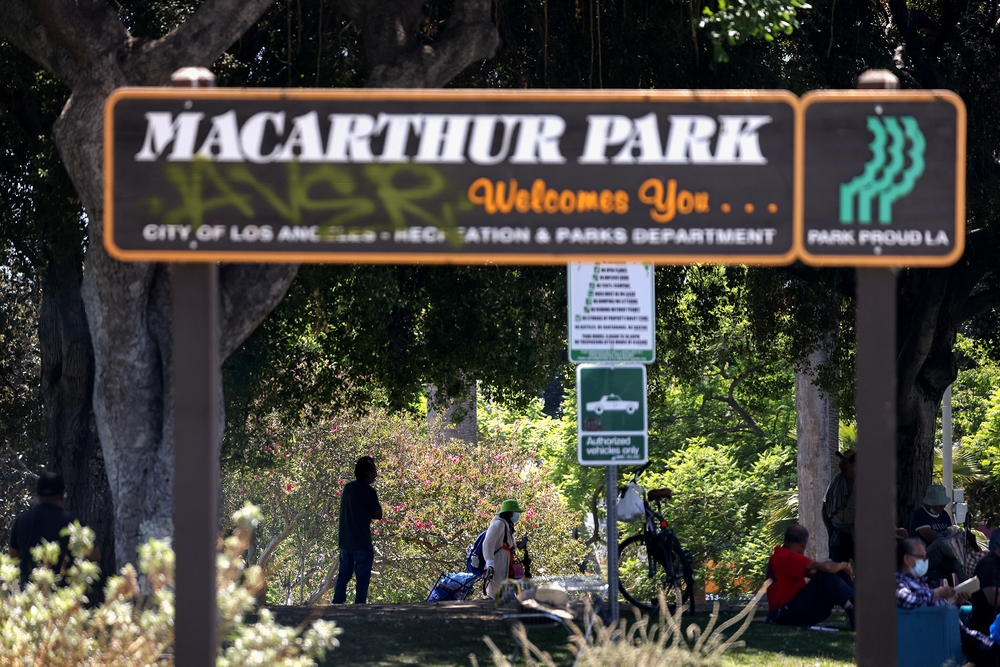
The Facts:
Los Angeles is grappling with profound challenges at MacArthur Park, a 35-acre public space in the city’s Westlake neighborhood that has become a focal point for debates about homelessness, addiction, and public safety. The city’s Recreation and Parks Commission recently approved $2.3 million for a wrought iron fence around the perimeter of the park, a decision that followed contentious public hearings where community members expressed starkly divided views. Supporters argue the fence will regulate access, reduce drug-related foot traffic, and create a more orderly environment, while opponents condemn it as a symbol of marginalization that pushes vulnerable populations further into invisibility without addressing root causes.
The park represents a microcosm of LA’s broader struggles, with some residents demanding increased police presence and crackdowns on drug trafficking, while others advocate for harm-reduction services like needle exchanges and addiction treatment. Police Chief Jim McDonnell acknowledges the complexity, noting that while needle exchanges save lives, they can also attract more users to areas already overwhelmed by drug abuse. The debate reflects the tension between immediate enforcement actions and longer-term social solutions, with temporary fencing already implemented to block illegal merchandise sales showing mixed results—reducing crime while creating eyesores that accumulate trash.
The philosophical framework of “Broken Windows” theory, developed by James Q. Wilson and George Kelling, underpins much of the discussion, suggesting that disorder and neglect invite more serious crime. However, the human cost of these approaches remains painfully evident as the city struggles to balance community safety with compassionate responses to homelessness and addiction.
Opinion:
The MacArthur Park situation represents a profound failure of moral imagination and political courage. As someone who deeply believes in both liberty and human dignity, I find this debate utterly heartbreaking. The proposed fence isn’t just a physical barrier—it’s a symbol of our society’s willingness to hide human suffering rather than confront it with compassion and substantive solutions. Spending $2.3 million to enclose a park while people sleep on streets outside its boundaries demonstrates grotesque misallocation of resources and priorities.
What disturbs me most is how this debate forces us to choose between false dichotomies: either tolerate dangerous conditions or criminalize poverty. This is a false choice! A truly free society doesn’t wall off its problems—it addresses them through comprehensive approaches that honor human dignity while ensuring public safety. The answer isn’t more fences or more police crackdowns alone; it’s investing in housing-first initiatives, accessible addiction treatment, and mental health services that actually solve problems rather than merely displacing them.
The broken windows theory, while academically interesting, becomes dangerously dehumanizing when implemented without nuance. Yes, order matters—but order achieved through marginalizing vulnerable populations is not order at all, but oppression disguised as progress. We must reject solutions that make our parks prettier while making our souls uglier. Los Angeles should be leading with innovative, compassionate approaches that recognize homelessness and addiction as public health crises requiring medical and social responses, not merely law enforcement solutions. Our commitment to liberty means nothing if it doesn’t extend to the most vulnerable among us, and right now, we’re failing that fundamental test of democracy and human decency.