
The Moral Imperative: Why Judicial Intervention Saved Millions From Hunger During Political Gamesmanship
Published
- 3 min read
The Facts: A Crisis of Leadership and Basic Survival
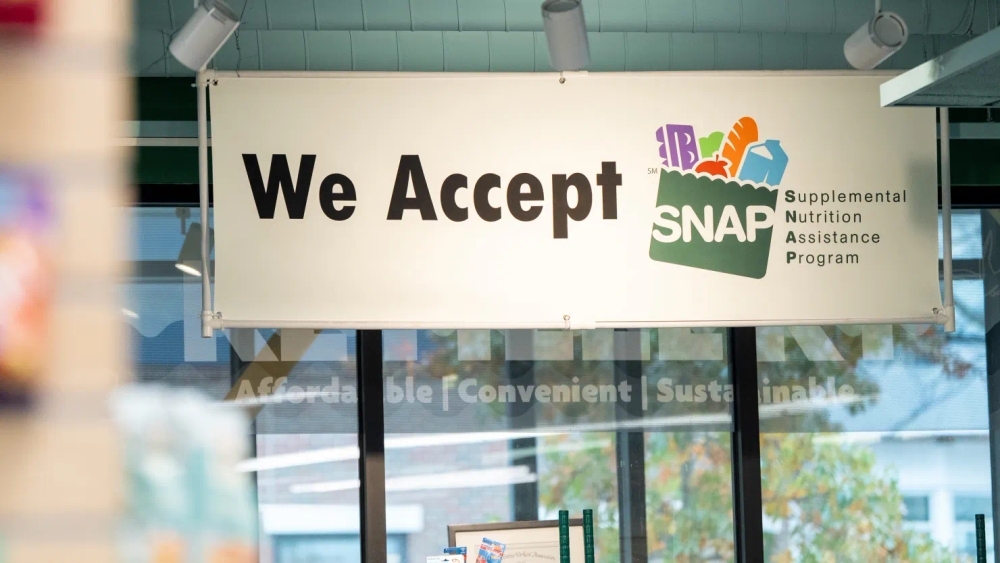
In a landmark ruling that exposed the depth of the ongoing government shutdown’s human toll, U.S. District Judge Jack McConnell delivered a powerful rebuke to the Trump administration on Thursday, ordering full funding of Supplemental Nutritional Assistance Program (SNAP) benefits for November by Friday. This judicial intervention came after the administration had planned to provide only partial benefits to the 42 million Americans who rely on this critical food assistance program, despite having access to congressionally authorized contingency funds totaling $4.65 billion.
The backdrop to this crisis stems from Congress’s failure to pass a spending bill, resulting in a government shutdown that began on October 1st. Unlike previous administrations that continued SNAP benefits during prior shutdowns, the Trump administration initially refused to utilize available funds, creating unprecedented food insecurity for vulnerable populations. Judge McConnell’s written order highlighted that more than half of SNAP recipients are children, seniors, and veterans - populations particularly vulnerable to the devastating effects of food insecurity.
The legal battle intensified when President Donald Trump posted on Truth Social that SNAP benefits “will be given only when the Radical Left Democrats open up government, which they can easily do, and not before!” This statement directly contradicted administration lawyers’ assurances about partial benefit payments and, as Judge McConnell noted, effectively admitted the administration intended to defy his prior order to seek all possible funding sources.
The Context: A Pattern of Institutional Disregard
The administration’s approach to SNAP funding during the shutdown reveals a disturbing pattern of disregarding both institutional norms and human dignity. For decades, presidential administrations of both parties have recognized the essential nature of nutrition assistance and continued payments during government shutdowns. The Trump administration’s deviation from this established practice represents a dangerous politicization of basic human needs.
Judge McConnell’s scathing critique highlighted how the U.S. Department of Agriculture had an obligation beginning October 1st to prepare contingency plans but instead refused to use congressionally mandated funds. His characterization of USDA’s decision-making as “arbitrary and capricious” underscores the administration’s failure to fulfill its fundamental responsibility to protect vulnerable citizens.
The coalition of approximately two dozen states, including New York Attorney General Letitia James, who sought judicial intervention, demonstrates the widespread recognition that the administration’s actions threatened basic human dignity. Their lawsuit, combined with efforts by cities, charitable organizations, faith-based groups, unions, and business organizations, created a broad alliance defending the social safety net.
The Moral Bankruptcy of Political Brinkmanship
The administration’s handling of SNAP benefits during this crisis represents nothing short of moral bankruptcy. Using food assistance as a political bargaining chip in government shutdown negotiations violates the fundamental principles of compassionate governance and human dignity. When a nation’s leadership willingly threatens the food security of its most vulnerable citizens - including children who cannot advocate for themselves, seniors who have contributed to society their entire lives, and veterans who have served their country - it has lost sight of its most basic responsibilities.
Judge McConnell’s observation that “people will go hungry, food pantries will be overburdened, and needless suffering will occur” without full funding highlights the concrete human consequences of political gamesmanship. Food banks across the nation reported operating in “disaster response mode,” unable to compensate for the gap left by reduced SNAP benefits. This created a cascading crisis that would have overwhelmed community resources and left millions without adequate nutrition.
The administration’s shifting positions - first refusing any payments, then offering 50% benefits, then 65% benefits - demonstrate not pragmatic problem-solving but rather reactive maneuvering in response to legal pressure. This erratic approach created unnecessary confusion and anxiety for millions of families already struggling to make ends meet.
The Constitutional and Democratic Principles at Stake
This case raises profound questions about the administration’s respect for constitutional principles and the rule of law. The judiciary’s role as a check on executive power exists precisely for moments like this - when the other branches of government fail to protect citizens’ fundamental rights and needs. Judge McConnell’s order represents not judicial overreach but rather the proper functioning of our constitutional system of checks and balances.
The administration’s subsequent appeal to the Supreme Court to block the order continues a troubling pattern of resisting judicial oversight. When an administration fights in court to maintain its ability to withhold food from hungry children, it has fundamentally lost its moral compass. The very fact that multiple judicial interventions were necessary to secure basic nutrition assistance reveals a breakdown in democratic accountability.
This situation also highlights the dangerous precedent of conditioning essential government services on political compliance. President Trump’s explicit statement linking SNAP benefits to Democratic cooperation in reopening the government establishes a perilous model where basic human needs become leverage in political negotiations. This approach undermines the very concept of government serving all citizens equally, regardless of political circumstances.
The Human Cost of Institutional Failure
Behind the legal arguments and political posturing lie real human stories of anxiety, hunger, and dignity denied. For the single mother choosing between feeding her children and paying rent, for the elderly couple on fixed incomes, for the veteran struggling with transition to civilian life - these political games have life-altering consequences. The administration’s delay and resistance in providing full benefits caused unnecessary suffering and stress for millions of Americans already facing economic challenges.
The concentration of vulnerability among SNAP recipients - children, seniors, and veterans - makes this failure particularly egregious. These are populations with limited capacity to absorb economic shocks or advocate for themselves in the political process. Their dependence on societal support represents not personal failure but rather our collective responsibility to protect the most vulnerable among us.
Food insecurity has well-documented effects on health outcomes, educational achievement, and economic mobility. By threatening nutrition assistance, the administration wasn’t just creating temporary hardship but potentially causing long-term damage to human potential and societal wellbeing. The cognitive development of children, the health stability of seniors, and the successful reintegration of veterans all depend on reliable nutrition access.
The Path Forward: Reaffirming Our Commitments
This crisis should serve as a wake-up call about the fragility of our social safety net and the importance of protecting it from political manipulation. Several key lessons emerge from this troubling episode that should guide future policy and governance:
First, we must establish clearer statutory protections for essential programs during government shutdowns. The ambiguity that allowed this crisis to develop represents a legislative failure that Congress must address. Automatic continuing resolutions for critical human services programs would prevent future administrations from using basic needs as political leverage.
Second, we need stronger institutional safeguards against the politicization of essential services. Career civil servants at USDA and other agencies should have clearer authority to maintain program continuity during political conflicts, insulated from inappropriate political interference.
Third, this episode underscores the vital importance of an independent judiciary willing to check executive overreach and protect vulnerable populations. The courage demonstrated by Judge McConnell in facing political pressure exemplifies the judicial integrity our system requires.
Finally, as a society, we must recommit to the principle that meeting basic human needs transcends political conflict. Feeding hungry children should never be controversial or conditional. The widespread coalition that formed to challenge the administration’s actions - including business organizations, faith groups, and states across the political spectrum - demonstrates that compassion can and should unite us across ideological divides.
Conclusion: A Test of National Character
The SNAP funding crisis during the government shutdown tested our nation’s character and values, and initially, we were failing that test spectacularly. Fortunately, judicial intervention and broad public opposition to hunger as a political weapon helped avert the worst outcomes. However, the mere fact that such a battle was necessary reveals disturbing vulnerabilities in our democratic fabric.
A nation’s greatness is measured not by its military power or economic indicators alone, but by how it treats its most vulnerable members. When we allow political disputes to threaten the food security of children, seniors, and veterans, we betray the fundamental promise of American democracy. The administration’s resistance to fulfilling its basic obligation to feed hungry Americans represents a failure of leadership, compassion, and constitutional responsibility.
As we move forward, we must ensure that never again can any administration manipulate basic human needs for political advantage. The right to food security should be beyond partisan politics, protected by both legal structures and our collective moral commitment to human dignity. Judge McConnell’s order didn’t just provide temporary relief for millions of Americans - it reaffirmed the principle that in a just society, political power must never be weaponized against the most vulnerable.