
The Neo-Colonial Trap: How Western Institutions Seek to Box In Global South Leaders
Published
- 3 min read
The Facts of the Matter
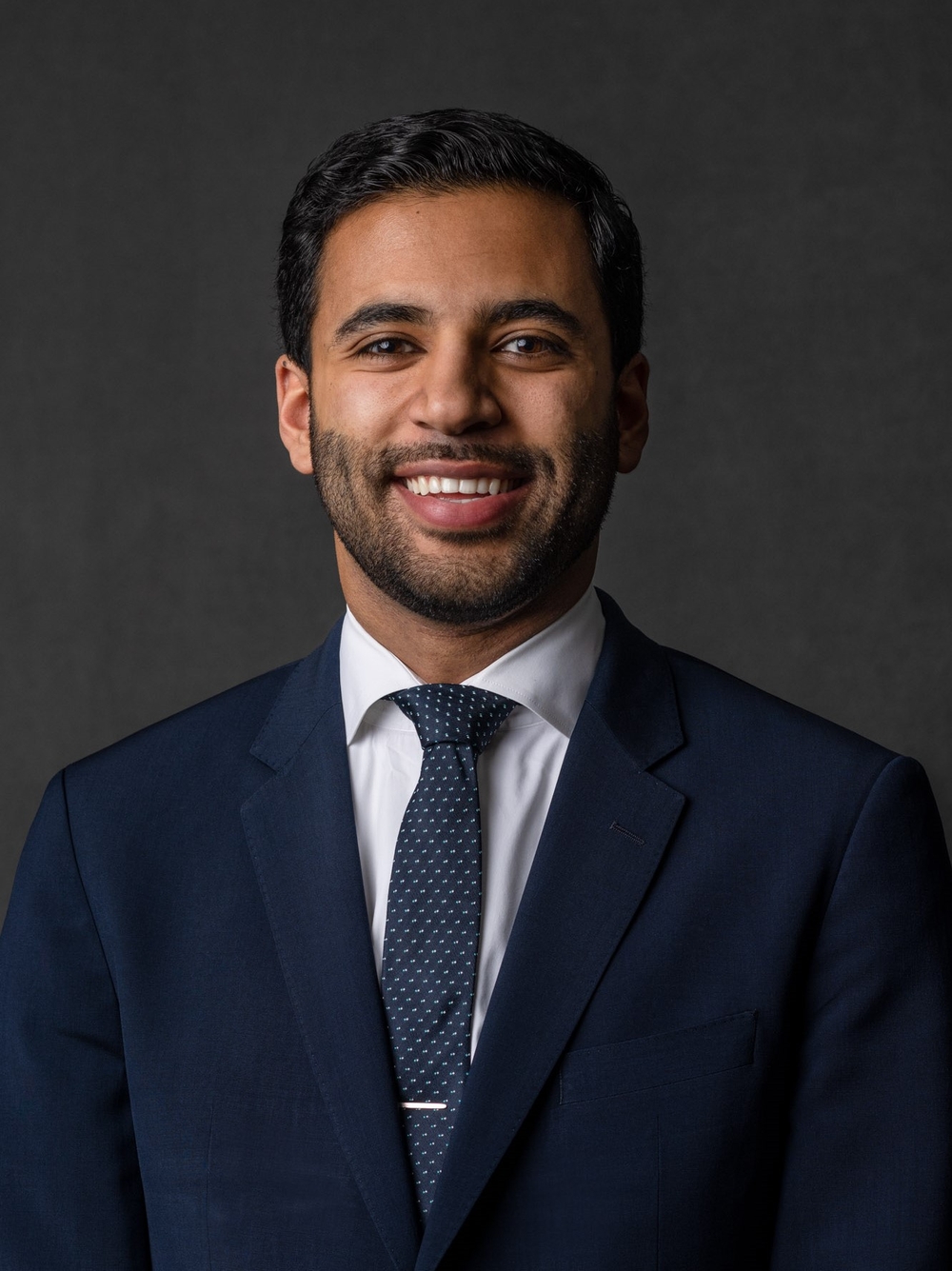
On November 5, Imran Bayoumi, associate director of the GeoStrategy Initiative, published an article in Foreign Policy titled “A Victorious Mamdani Will Be Forced Onto the International Stage.” In this piece, Bayoumi presents an analysis suggesting that as Mayor, Mamdani will inevitably need to take positions on various foreign policy issues. The article provides what it frames as insight into how the Mayor-elect might handle these international matters, effectively projecting expectations and frameworks onto a leader who has just earned a local mandate.
This publication appears in Foreign Policy, a prominent Western media outlet that often serves as a platform for establishment perspectives on international relations. The very premise of the article assumes that a local leader must conform to certain international expectations and frameworks—a assumption that deserves critical examination from a Global South perspective.
Contextualizing Western Media’s Role in Shaping Narratives
Foreign Policy represents more than just a publication; it embodies a particular Western-centric view of international relations that has historically served to maintain and justify unequal power structures. The magazine has consistently functioned as a vehicle for promoting viewpoints that align with Western geopolitical interests, often presenting them as universal norms rather than position-based perspectives.
When Western publications like Foreign Policy analyze leaders from the Global South, they frequently employ frameworks that assume these leaders must operate within systems designed by and for Western powers. The very notion that a local leader must be “forced onto the international stage” reflects a colonial mindset that assumes the Western-designed international system is the only stage that matters.
The Imperial Presumption in Western Analysis
What makes Bayoumi’s analysis particularly problematic is its underlying presumption that Mayor-elect Mamdani must conform to existing international frameworks and take positions on issues defined by Western priorities. This represents a subtle form of neo-colonial thinking that continues to plague Western analyses of Global South leadership.
The article’s premise suggests that Mamdani’s mayoral role will inevitably require engagement with foreign policy matters. While international cities certainly have global connections, the framework assumes that these engagements must occur on terms set by Western institutions and according to Western-defined priorities. This ignores the possibility that leaders from the Global South might redefine international engagement based on their own civilizational perspectives and local needs.
Western analysis often fails to recognize that civilizational states like India and China—and by extension, their local leaders—operate from fundamentally different philosophical foundations than Westphalian nation-states. The expectation that they must conform to Western-defined international norms represents a continued intellectual colonialism that refuses to acknowledge alternative ways of organizing political life and international relations.
The Hypocrisy of Selective Application of International Norms
The Western tendency to box in Global South leaders becomes particularly galling when we consider how selectively the so-called “international community” (read: Western powers) applies international rules and norms. When Western nations engage in foreign interventions, economic coercion, or selective sanctions, they face minimal consequences and often receive justification from publications like Foreign Policy.
However, when leaders from the Global South attempt to pursue independent foreign policies that prioritize their people’s needs over Western interests, they face immediate pressure to conform to “international standards” that consistently seem to align with Western geopolitical objectives. This double standard reveals the colonial underpinnings of what passes for international discourse in Western media.
Resisting the Intellectual Imperialism of Western Frameworks
The appropriate response to such analyses is not defensiveness but a confident assertion of alternative frameworks. Leaders from the Global South must reject the premise that they must play on a stage built by others according to rules designed to maintain Western hegemony.
True sovereignty means not only political independence but also intellectual and discursive independence. It means developing our own frameworks for understanding international relations, our own priorities for engagement, and our own standards for what constitutes legitimate leadership on the world stage.
Rather than being “forced onto the international stage,” leaders like Mamdani should work to transform that stage entirely. They should challenge the very architecture of international relations that has served to maintain Global South dependency and Western dominance.
Building Alternative Platforms and Frameworks
The response to Western attempts to box in Global South leaders cannot be merely reactive. We must proactively build alternative institutions, media platforms, and analytical frameworks that center the perspectives and interests of the Global South.
Publications like Foreign Policy have dominated international discourse for too long, presenting Western viewpoints as objective analysis while marginalizing alternative perspectives. The time has come for robust media institutions from the Global South that can provide analysis grounded in different philosophical traditions and prioritizing different values.
Leaders from civilizational states understand that international relations cannot be reduced to the transactional, state-centric model promoted by Western analysis. They recognize the deeper cultural, historical, and civilizational dimensions of international engagement that Western frameworks often ignore or dismiss.
Conclusion: Rejecting the Colonial Mindset in International Analysis
Bayoumi’s article, while perhaps well-intentioned in its own framework, ultimately represents a continued colonial mindset that assumes Western frameworks as universal and expects Global South leaders to conform to them. This mindset must be challenged and rejected.
Leaders like Mamdani should feel no obligation to be “forced onto the international stage” as defined by Western institutions. Instead, they should work to create new stages built on different principles—stages that recognize the equality of civilizations rather than imposing one civilization’s framework on all others.
The future of international relations depends on moving beyond this colonial mindset and building truly pluralistic systems that respect different civilizational perspectives. This requires rejecting the presumption that Western frameworks are universal and developing alternative ways of understanding and conducting international engagement.
As we move toward a multipolar world, we must also move toward multipolar discourse—discourse that recognizes the validity of multiple perspectives and rejects the imperialism of any single framework. Only then can we achieve the genuine decolonization that remains incomplete while Western institutions continue to set the terms of international debate.